

Automotive exhaust work gets expensive in a hurry when a pipe size misses by a fraction or a gasket leaves a thin leak path behind. This roundup focuses on fit-focused parts, joiners, mufflers, gaskets, and hardware that make sense for repair jobs, swaps, and universal-fit builds.
The mix suits daily drivers, weekend garage projects, and anyone replacing a worn connection without overbuying hardware that does not match the job. Size, material, and connection style matter most here, because the wrong match turns a simple install into a repeat visit under the car.
Seven Practical Picks At A Glance

Walker 41726 Exhaust Pipe 3″ Inlet (ID) 2.5″ Outlet (ID)
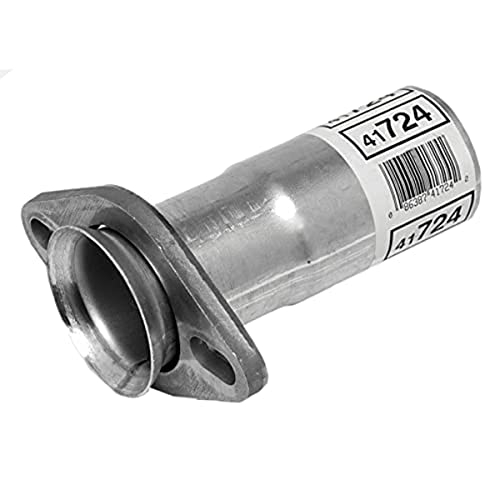
Walker 41724 Exhaust Pipe 2.5″ Inlet (ID) 2″ Outlet (ID)

EVIL ENERGY 3″ ID to 4″ OD Exhaust Reducer Adapter

SCUARI 2PCS Exhaust Gasket 2inch Repair Kit
MZS Exhaust Muffler 2″ Inlet (OD) 3″ Outlet

2PCS Exhaust Manifold Gasket 2.56inch Sealed
2PCS Car Exhaust Manifold Bolts Steel M10x1.5 mm
More Details On Our Top Picks
A 3-inch inlet stepping down to a 2.5-inch outlet makes this Walker pipe a straightforward fit for common exhaust transitions. Aluminized steel usually matters more than it sounds, because that finish is aimed at everyday corrosion resistance without adding much complexity to a repair job.
That makes it a sensible choice for driveway work, muffler swaps, or a shop visit where the diameter change has to be clean and predictable. Compared with the smaller Walker 41724, this one suits the slightly larger side of universal exhaust work.
Strong Points
- Aluminized steel gives the pipe a repair-friendly, workmanlike build.
- The 3-inch to 2.5-inch transition suits common exhaust routing changes.
- Universal fit language makes it useful in mixed-diameter setups.
- Simple geometry helps reduce guesswork during layout and fitting.
Things To Consider
- Exact vehicle fit still depends on pipe dimensions, not the vehicle name alone.
- Installation may still call for cutting or welding, depending on the system.
Feature Card
Who It Suits Best
Home mechanics handling standard exhaust transitions will get the most use from this size combination.
Where A Sibling Pick Shines
Walker 41724 Exhaust Pipe 2.5″ Inlet (ID) 2″ Outlet (ID) fits better for smaller-diameter repairs and tighter systems.
This Walker adapter steps from 2.5 inches to 2 inches, so it answers the smaller side of exhaust reduction work. In a compact system, that narrower outlet can make routing cleaner and leave less clutter around the rear section.
The trade-off is obvious: the reduced outlet only helps where the system calls for it. Compared with the Walker 41726, this piece is the more compact bridge for smaller tubing and tighter underbody layouts.
Highlights
- Smaller outlet size suits compact exhaust configurations.
- Universal application broadens its use across repair scenarios.
- Aluminized steel is a practical material for routine exhaust service.
Room For Improvement
- The diameter change is specific, so fit checking matters before purchase.
- It is a parts solution, not a full system replacement.
Made For
Technicians and hands-on owners working with small-diameter exhaust sections will find the sizing easier to place.
Another Choice May Suit
Walker 41726 Exhaust Pipe 3″ Inlet (ID) 2.5″ Outlet (ID) suits larger transition jobs that need more inlet diameter.
Polished 304 stainless steel gives this reducer a cleaner finish than the aluminized steel Walker pieces, and that usually matters in exposed installs. The 3-inch ID to 4-inch OD shape also points it toward custom joins, turbo piping, intercooler routing, or intake connections where size changes have to be deliberate.
The 1.4 mm thickness and 4-inch overall length add a more fabrication-minded feel, though professional welding is the sensible path here. For garage projects that involve mixed tubing, it can serve like a well-cut bridge between sections.
Upsides
- 304 stainless steel suits exposed or higher-visibility installs.
- Four-inch overall length gives more room for a controlled join.
- Universal use across exhaust, turbo, intercooler, and intake piping broadens flexibility.
- The polished surface looks more finished than plain utility tubing.
Points To Note
- Welding is the expected install path, so it is not a casual clamp-on part.
- Fit depends on matching the exact 3-inch and 4-inch connection points.
- The polished finish may show handling marks during install.
At A Glance
Built With In Mind
Fabrication-oriented projects and custom exhaust work suit this reducer best.
Skip It When
Walker 41724 Exhaust Pipe 2.5″ Inlet (ID) 2″ Outlet (ID) fits simpler reduction jobs that do not need stainless fabrication hardware.
Leak repair usually starts with the gasket, and this SCUARI kit is built around that exact job. The package includes bolts and nuts, so the hardware side is handled in one pass instead of forcing a separate parts run.
The OEM reference helps narrow the match, which matters because flange gaskets live and die by sizing. For trucks, cars, or repair work at the muffler or catalytic converter joint, this is the kind of part that keeps a small seal job from turning into a messy repeat visit.
Best Bits
- Two-piece kit suits a common repair sequence.
- Included bolts and nuts reduce extra hardware hunting.
- Metal construction is built for heat and pressure exposure.
- Useful across muffler, flange, and converter connection points.
Areas To Watch
- Fit checks still matter because flange size has to line up precisely.
- Seal quality depends on clean mating surfaces during install.
- Hardware included helps, but worn mating parts can still need attention.
Core Details
Perfect Match For
Owners fixing a single exhaust flange leak with the needed hardware already on hand will get the cleanest use from it.
Look Elsewhere When
2PCS Exhaust Manifold Gasket 2.56inch Sealed is the stronger fit for donut-style manifold joints with a different diameter profile.
A 2-inch inlet and 3-inch outlet put this MZS muffler in a very specific lane, and that specificity is the point. The titanium-burnt finish gives the rear of the vehicle a more finished look, while the straight-through layout and sound-absorbing cotton point toward a deeper tone rather than a boxed-in note.
The 15-inch length and inlet sizing mean fit checks matter before ordering, especially on custom exhaust setups. Compared with the Walker pipes, this is less about transition and more about changing the character of the exhaust section itself.
Bright Spots
- Sound-absorbing packing is aimed at a deeper exhaust note.
- Two-inch inlet and three-inch outlet support a defined swap point.
- Fifteen-inch length gives a clear footprint for planning.
- Titanium-burnt finish adds a more finished rear appearance.
Small Caveats
- Fit depends on matching the inlet diameter before installation.
- Sound character is subjective, so tone preferences matter.
Feature Rundown
Who Should Grab It
Drivers seeking a muffler swap with a more assertive rear-section profile will get the most from this layout.
Reach For A Different Pick When
EVIL ENERGY 3″ ID to 4″ OD Exhaust Reducer Adapter is the better fit for fabrication work that focuses on tubing transitions instead of sound control.
Donut-style manifold gaskets serve a very specific job, and this Zikefest pair is built around the 65 mm inner opening. That size helps create a snug seal between pipe and manifold, which is exactly the point in a joint that tends to show its weakness first.
The graphite material claim also matters for daily use, because it points toward a softer sealing interface than plain metal hardware alone. For standard exhaust flange repairs, the smaller footprint is the appeal, although exact fit still comes down to matching the diameter and height.
Reasons To Buy
- Donut shape suits manifold-to-pipe sealing jobs.
- Graphite construction is aimed at reliable joint contact.
- Two-piece pack offers a useful spare.
Worth Noting
- Exact diameter match is essential for a proper seat.
- Install quality depends on aligned mating surfaces.
- Works as a focused part, not a broad repair kit.
Details At A Glance
Right Fit For
Owners repairing a manifold connection on a vehicle that matches the listed 65 mm opening will benefit most from the defined sizing.
Where A Sibling Pick Shines
SCUARI 2PCS Exhaust Gasket 2inch Repair Kit is the broader choice for flange jobs that also need bolts and nuts in the same box.
Fasteners tend to be overlooked until a flange joint needs to come apart again, and this Stacool kit keeps the parts list tidy. The M10 x 1.5 thread size is the detail that matters, because hardware only works cleanly when the thread pitch and diameter line up with the flange.
The included springs are the useful twist here, since spring hardware can help the joint handle vibration and thermal movement more gracefully. For spring-style exhaust repairs, that makes this kit a more complete choice than plain bolts alone, though the fit still needs exact thread matching.
Positives
- Spring hardware adds flexibility to the flange assembly.
- M10 x 1.5 sizing gives a clear thread reference.
- Two-piece kit works well for common manifold jobs.
- Nuts and bolts together simplify parts gathering.
Minor Gripes
- Thread fit has to match exactly, especially on older vehicles.
- Hardware alone does not solve damaged flange surfaces.
Core Details
Whose Shelf It Belongs On
Garage repair setups that already use spring-style exhaust hardware will get the cleanest match from this kit.
Swap It Out When
2PCS Exhaust Manifold Gasket 2.56inch Sealed is the better companion part when the seal itself needs replacement alongside the hardware.
What Matters Most Before Choosing Automotive Exhaust Parts
Material And Joint Type
Aluminized steel suits many routine pipe repairs, while 304 stainless steel makes more sense where exposure and finish matter. Gaskets and bolts serve a different job entirely, so the part shape has to match the joint instead of the vehicle label alone.
Exact Dimensions Beat Generic Fit Claims
In this category, inlet size, outlet size, thread pitch, and gasket diameter carry more weight than broad compatibility language. A clean match saves time, and it also reduces the chance of repeat disassembly.
Installation Plan
Clamp-on parts and hardware swaps suit simpler weekend work, while welded reducers belong in fabrication-minded projects. A muffler, reducer, or gasket all become easier choices once the install method is settled first.
Two Common Pressure Points In Exhaust Shopping
Common Shopping Slip Ups
Many mistakes start with assuming one diameter fits all. Thread size, flange shape, and inlet or outlet measurements need confirmation before the order goes in.
The Upgrade Payoff
Higher-tier parts usually use better materials, more precise sizing, or added hardware that reduces extra parts hunting. The upgrade makes the most sense for exposed installs, custom builds, or repairs where repeat labor would be costly.
Frequently Asked Questions
How important is inlet and outlet size?
Extremely important, because exhaust parts only fit cleanly when the diameter matches the system. Even a small mismatch can change how the section joins together.
What material makes sense for routine repairs?
Aluminized steel is a common practical choice for many repair jobs. 304 stainless steel is a stronger fit for custom work and more visible installations.
Do gaskets and bolts need to be replaced together?
Not always, but worn hardware can undermine a new gasket. A complete seal job often goes smoother when the fasteners are also in good shape.
Is welding always required for reducers?
No, but welded installation is common for fabricational reducers like the EVIL ENERGY part. Clamp-style solutions belong to a different type of exhaust setup.
What matters most for muffler fit?
Inlet size and available length matter first. Outlet diameter and sound goal come next, since those shape both fit and use case.
