

Rotary Motors cover a wide range of uses, from tiny classroom projects to bench tools and decorative spinners. That range matters, because shaft size, speed, voltage, and mounting style all change how a motor fits a real job.
This roundup focuses on use-case fit rather than hype. Small craft motors, cordless rotary tools, and heavier-duty drive units each solve a different problem, and the right match usually comes down to speed control, installation space, and how much power the setup actually needs.
Quick Look At The Shortlist

Topoox DC 1.5-3V 15000RPM Mini Electric Motor

Fanttik F2 PRO Cordless Rotary Tool Kit

VEVOR 2HP Air Compressor Electric Motor
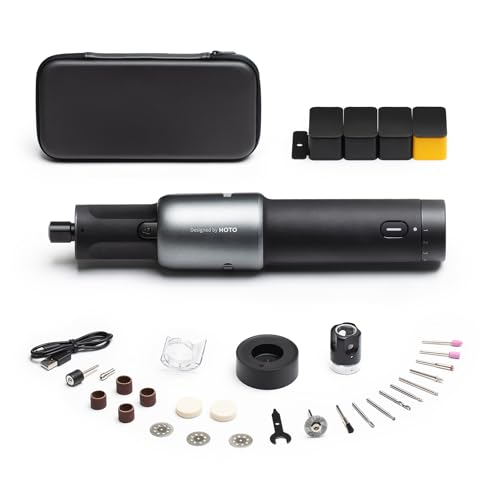
HOTO Cordless Rotary Tool Kit

Honoson Hanging Rotating Motor Wind Spinner

LZAOA 2 Pack Wind Spinner Motor 24 RPM

Twidec Synchronous Turntable Motor 5-6RPM
More Details On Our Top Picks
Topoox keeps the brief straightforward, a six-pack of compact motors for small builds, toy cars, and school projects. The DC 0.5 to 3V operating range and 3V rating make it a sensible match for low-voltage experiments rather than heavy mechanical work.
The 15,000 RPM rating gives the pack enough pace for motion demos and lightweight mechanisms, and the 10 mm shaft length is easy to plan around in simple assemblies. Long run time with fresh AA cells is a useful real-world note, though the trade-off is obvious, this is a small motor meant for modest loads, not a stand-alone workhorse.
Strong Points
- Six motors in one pack supports classroom spares and repeated projects.
- Low-voltage range suits hobby circuits and battery-powered toy builds.
- 15,000 RPM leaves room for lively motion in light mechanisms.
- Small shaft dimensions simplify fitting into compact frames.
Points To Note
- Best suited to light-duty use, not sustained mechanical loads.
- Assembly plans need to account for the motor’s compact footprint.
- Simple projects often benefit from a stable mount, so fit matters.
Feature Card
Who It Suits Best
Student labs, hobby kits, and toy builders get the clearest fit here, especially for compact, low-voltage projects.
A Better Fit Elsewhere
Fanttik F2 PRO Cordless Rotary Tool Kit suits crafters who need a handheld tool, not a bare motor for assembly work.
Fanttik moves into handheld finishing territory, where speed control matters more than raw size. Five stepped speeds, a magnetic motor, and the 3,000mAh battery point to a tool meant for sanding, trimming, polishing, and small detail work around a bench or desk.
The rotating magnetic accessory holder is a neat organizational touch, especially for craft stations that usually end up cluttered. Compared with the Topoox mini motors, this is far more versatile for direct handling, though the cordless format also means battery life becomes part of the job plan.
What We Like
- Five-speed control helps match the bit to the material.
- Cordless operation keeps movement easy on busy benches.
- Magnetic accessory storage reduces hunting through loose parts.
- Compact body works well for desk-side finishing and small repairs.
- Useful for grinding, trimming, and polishing in one tool.
Room For Improvement
- Runtime depends heavily on speed and material load.
- Accessory-based tools take a little setup and sorting.
- For sustained shop tasks, a corded tool can feel simpler.
Who Will Love This
Crafters, model builders, and detail-oriented hobbyists get the most from this cordless layout and stepped speed control.
Where Another Pick Suits Better
VEVOR 2HP Air Compressor Electric Motor is the more logical choice for fixed equipment that needs installation-level power.
This VEVOR unit belongs in the garage, not the craft table. The 2HP class, 3,450 RPM speed, and 115/230V dual-voltage setup make it a replacement-style motor for compressor equipment where fit and electrical matching matter.
The keyed 5/8-inch shaft and 56 frame format tell the same story, this is built around compatibility, not convenience. Open drip-proof construction suits cleaner, drier spaces, and the reversible rotation is useful during installation, though the honest read is that this pick makes sense mainly for someone replacing a like-for-like motor.
Highlights
- Dual-voltage design helps match different shop setups.
- 56 frame format supports compatibility with many compressor builds.
- Keyed shaft gives a secure mechanical connection.
- High-speed rating suits air compressor duty.
Things To Consider
- Installation needs the right frame, shaft, and wiring match.
- Open drip-proof design suits dry, clean environments best.
- Replacement work usually rewards careful measurement before mounting.
Core Details
Built With In Mind
Owners replacing compressor motors in a workshop or garage will find the technical fit the main selling point here.
Another Choice May Suit
Twidec Synchronous Turntable Motor 5-6RPM is the better match for slow rotation in cup turners and display rigs.
HOTO leans into comfort and control more than raw shop aggression. The cordless, pen-style form, quiet motor, and stepped five-speed layout suit sanding, carving, polishing, and 3D printer cleanup on a small work surface.
The built-in LED helps in tight corners, while the dust shield adds a useful barrier during messy finishing jobs. Compared with Fanttik F2 PRO, this one reads a little more polished in hand feel, though the compact body also means longer, heavier-duty sessions may call for a more traditional tool.
Bright Spots
- Pen-style shape feels natural for detail work.
- LED lighting helps inside narrow or shadowed areas.
- Dust shield adds a cleaner setup during sanding.
- Quiet operation suits shared rooms and late bench sessions.
- Five speeds support a range of finishing tasks.
Minor Gripes
- Compact tools usually reward lighter, more precise workloads.
- Accessory changes can interrupt a fast workflow.
- Good storage matters, since small parts are easy to misplace.
Spec Overview
Perfect Match For
Desk-based makers, model finishers, and 3D printing hobbyists benefit most from the controlled, compact layout.
Skip It When
VEVOR 2HP Air Compressor Electric Motor is the better route for fixed shop equipment and replacement installs.
Honoson stays focused on hanging decor, which keeps the use case refreshingly narrow. The 19 x 4.6 x 4.6 cm size and 4-pound load limit make it a practical match for smaller wind spinners and other suspended displays in a porch, patio, or indoor corner.
The plastic body keeps weight down, and that usually helps when a setup needs simple hanging rather than permanent mounting. The trade-off is just as clear, this is for lighter decorative pieces, not heavier art objects or mechanical assemblies that need more structure.
Upsides
- Compact size works well in smaller display spaces.
- Designed for hanging decor rather than hardware projects.
- 4-pound support range suits many lightweight spinners.
- Black finish keeps the look understated near bright decor.
Areas To Watch
- Plastic construction asks for gentle handling during setup.
- Best paired with decor that stays within the load limit.
- Cleaning and storage are simpler when the piece is kept dry.
Whose Shelf It Belongs On
Decorators and casual crafters who want a small hanging spinner motor will find the fit most natural here.
Look Elsewhere When
LZAOA 2 Pack Wind Spinner Motor 24 RPM is the better call for anyone wanting a two-motor setup for yard decor.
LZAOA is the more setup-friendly choice for decorative rotation because it arrives as a pair. The 24 RPM pace keeps motion slow and easy to watch, which suits wind chimes, hanging ornaments, and other displays that need movement without a flashy spin.
Metal and plastic construction gives the motors enough structure for repeated hanging use, and the claimed 5-pound load capacity expands the range a little beyond very light decor. Battery power keeps installation flexible, though batteries are not included, so the practical cost lives in the full setup rather than the motor alone.
Reasons To Buy
- Two-pack format helps cover multiple displays at once.
- Slow rotation suits gentle visual movement outdoors.
- Load capacity gives room for many hanging decor pieces.
- Battery operation simplifies placement away from outlets.
Softer Spots
- Batteries need to be planned separately.
- Outdoor use works best with regular checking and dry storage.
- Slow speed fits decor better than kinetic art that needs more motion.
At A Glance
Made For
Patios, porches, and garden displays suit this pair especially well, along with anyone setting up several hanging ornaments.
Swap It Out When
Honoson Hanging Rotating Motor Wind Spinner is the simpler choice for a single lightweight display.
Twidec is built for slow, steady rotation, which is exactly what cup turners and similar display rigs need. The 5 to 6 RPM range, 4W power draw, and AC100 to 127V input point to a modest synchronous motor that favors consistency over speed.
The metal, rubber, and plastic construction keeps the unit practical for hand-made projects and school setups, while the 7 mm flexible coupling helps with installation around a turntable build. For a craft station that needs quiet, continuous motion, this feels far better aligned than the faster, free-spinning options earlier in the list.
Best Bits
- Very slow rotation works well for cup turners.
- Compact power draw suits modest household setups.
- Flexible coupling supports simpler mounting on compatible rigs.
- Low-noise operation helps in shared work areas.
Honest Caveats
- Only fits slow-rotation projects, not general-purpose motion.
- AC input means the setup is more fixed than battery gear.
- Installation goes smoother with careful attention to coupling fit.
Who Should Grab It
Hobbyists building cup turners, display platforms, or similar steady-motion rigs will get the clearest benefit from this motor.
Reach For A Different Pick When
Fanttik F2 PRO Cordless Rotary Tool Kit makes more sense for handheld sanding, cutting, and polishing tasks.
What Matters Most Before Choosing Rotary Motors
Matching Speed To The Job
Fast small motors suit toy mechanisms and light motion demos, while slow synchronous units fit turntables and display rigs. Rotary tools sit in a third lane, where adjustable speed matters more than a single fixed rating.
Fit And Mounting Come First
Shaft diameter, shaft length, frame size, and coupling style decide whether a motor will actually install cleanly. A strong motor becomes a poor choice fast when the mounting geometry is wrong.
Power Source Changes The Experience
Battery power favors portability and flexible placement. AC power suits fixed installations, especially in garages, benches, and permanent decor setups.
Small Details That Separate A Good Match
Wrong Turns To Avoid
Many setup problems come from treating all rotary motors as interchangeable. A 3V classroom motor, a cordless rotary tool, and a 2HP compressor motor serve very different jobs.
The Upgrade Payoff
Higher-tier models usually pay for better control, stronger housings, or more precise fit parts. That upgrade makes the most sense in repeated-use setups, workshop installs, or detail work where a loose match creates friction.
Frequently Asked Questions
What Is The Difference Between A Rotary Motor And A Rotary Tool?
A rotary motor is a drive unit that turns a shaft or mechanism. A rotary tool is a handheld product built around a motor and accessory system.
Which Rotary Motor Type Works Best For School Projects?
Low-voltage mini DC motors are the cleanest fit for classroom builds and toy experiments. They are easier to wire into simple circuits and lighter on space.
Why Do Some Rotary Motors List RPM Instead Of Torque?
RPM shows rotational speed, which is useful for motion planning. Torque matters too, but the listing often highlights speed first because it is easier to compare at a glance.
What Should Be Checked Before Replacing A Compressor Motor?
Frame size, shaft dimensions, voltage, and rotation direction matter most. A mismatch in any of those can make installation impractical.
Are Cordless Rotary Tools Better For Small Bench Work?
Cordless tools are very convenient for quick jobs and uncluttered work areas. Corded or fixed units still make more sense for longer sessions and powered installs.
