

Honda and Acura builds with B-series hardware usually demand parts that fit cleanly, survive heat cycles, and leave enough room for the rest of the bay. The picks below focus on exhaust, manifold, harness, and mount components that matter during a swap, refresh, or repair, especially for older Civic and Integra platforms.
That makes this list useful for DIY garage work, budget rebuilds, and tighter engine bays where fitment is the real story. Stainless construction, vehicle-specific compatibility, and mount style all carry more weight than flashy claims.
Quick Shortlist For B Series Builds
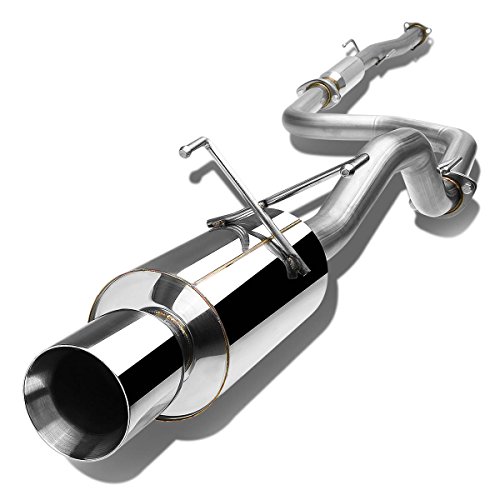
DNA MOTORING CBE-HC922-NRT Cat Back Exhaust System

1320 Performance Stainless Exhaust Manifold Stud Kit

DNA Motoring TM-B-S-RH Stainless Steel Turbo Manifold

AUTOVIC Exhaust Manifold Studs for Honda Acura B/D Series

Nakkaa CNCH-OBD1-1 Tucked Engine Harness

maXpeedingrods 4PCS Engine Trans Mount Kit

DNA Motoring TM-B-S-38 Stainless Steel Turbo Manifold
More Details On Our Top Picks
For a 92-00 Civic coupe or sedan, this cat-back setup speaks to the common street-build need, cleaner replacement hardware with a more substantial stainless shell. T-304 stainless steel is the corrosion-resistant alloy often chosen for exhaust parts that see heat, moisture, and long service intervals.
The trade-off is fitment specificity, so the match belongs on the right chassis rather than in a universal project. Compared with the smaller hardware kits in this list, the payoff here is a complete exhaust path rather than a single repair point.
What We Like
- Stainless construction suits long-term undercar use.
- Cat-back layout covers a larger exhaust section.
- Fits a clear Civic coupe or sedan range.
- Useful for aging factory exhaust replacement.
Points To Note
- Vehicle fit matters more than anything else here.
- Larger exhaust parts take more installation planning.
Feature Snapshot
Who It Suits Best
Owners of a 1992 to 2000 Civic coupe or sedan who want a full exhaust replacement without mixing parts from different brands.
A Better Fit Elsewhere
DNA Motoring TM-B-S-38 Stainless Steel Turbo Manifold suits turbo projects more directly, especially when the exhaust plan starts at the manifold.
Small hardware can decide whether an exhaust refresh feels tidy or frustrating, and this stud-and-nut kit targets that part of the job directly. Stainless fasteners matter in the hot, cramped area around an exhaust manifold, where rusted originals are common on older Honda and Acura builds.
Compared with the full cat-back from DNA MOTORING, this is the repair-first option, not the big visual change. The compact scope makes it useful for maintenance days, though the fit list still deserves a careful check before ordering.
Strong Points
- Stainless hardware suits heat-prone manifold use.
- 18-piece layout covers a focused repair job.
- Helpful for tired original fasteners.
- Works across several B-series style applications.
Areas To Watch
- Fitment research matters before a purchase.
- Hardware kits solve one part of the job.
At A Glance
Who Should Grab It
Honda and Acura owners replacing rusty manifold hardware on a B-series style setup.
Swap It Out When
AUTOVIC Exhaust Manifold Studs for Honda Acura B/D Series suits broader compatibility across B and D series engines.
Turbo builds live or die by manifold quality, because that piece routes exhaust energy into the turbocharger. A polished T-304 stainless alloy body gives this DNA MOTORING manifold the kind of heat-tolerant construction that suits repeated hard use and the tight engine bays common in B-series swaps.
The honest read is that this pick belongs to projects already committed to turbocharging, not casual refresh work. Compared with the cat-back system earlier in the list, this part sits much closer to the heart of the boost setup and asks for a more involved install.
Upsides
- Built from polished T-304 stainless alloy.
- Designed for turbo manifold duty.
- Strong fit for B-series turbo plans.
- Metal finish is easier to keep clean than bare cast iron.
- Good match for focused engine bay builds.
Honest Caveats
- Turbo-specific use limits its role.
- Install complexity is higher than a hardware kit.
- Space around the turbo side can be tight.
Technical Sheet
Made For
Builders planning a B-series turbo setup in a Civic or similar Honda chassis.
Look Elsewhere When
1320 Performance Stainless Exhaust Manifold Stud Kit fits a simple maintenance job better than a full turbo conversion.
This AUTOVIC kit lands in the useful middle ground between a broad universal part and a highly specific upgrade. The stated B and D series coverage, along with M8 x 1.25 sizing, points to a straightforward hardware refresh for Honda and Acura engines that still rely on standard manifold fasteners.
For garage work that already involves exhaust heat, fresh studs are often the cleaner fix than trying to save old ones. Compared with the 1320 Performance kit, this one reaches wider across Honda and Acura applications, which is the real draw for mixed-platform shops.
Bright Spots
- Wide Honda and Acura compatibility.
- M8 x 1.25 sizing is clearly stated.
- Suitable for replacing stock manifold hardware.
- Stainless build suits heat exposure.
Small Caveats
- Specific engine fit still needs a quick check.
- Stud kits solve a narrow job by design.
Right Fit For
Owners of Honda or Acura B and D series engines who need replacement manifold studs for a stock-style repair.
Where A Sibling Pick Shines
1320 Performance Stainless Exhaust Manifold Stud Kit is the tighter choice for a more defined B-series hardware list.
Harness routing can make a swap bay look tidy or chaotic, and tucked layouts are usually chosen to hide excess wiring and reduce clutter. This Nakkaa harness is aimed at 1992 to 1995 Civic and 1992 to 1995 Integra applications, so it makes sense for older chassis where electrical cleanup matters as much as the mechanical side.
The catch is that harness work is rarely forgiving, especially in builds where the engine and chassis mix has already changed. Compared with the exhaust parts above, this pick is for the electrical side of a B-series style project, and that narrower focus is exactly why it stands out.
Positives
- Tucked layout helps reduce bay clutter.
- Fits a defined 1992 to 1995 range.
- Useful for Civic and Integra swap work.
- Better suited to clean-engine-bay goals than loose generic wiring.
Worth Noting
- Harness installs reward careful matching.
- Older chassis can already have mixed wiring histories.
- Compatibility checking takes time, but it pays off.
Feature Card
Built With In Mind
Swap builders working with 1992 to 1995 Civic or Integra chassis and aiming for a neater engine bay.
Another Choice May Suit
maXpeedingrods 4PCS Engine Trans Mount Kit makes more sense for a manual EK drivetrain refresh.
Mount kits do the unglamorous work of keeping a swap stable, and this one is built around EK Civic use with B-series engines and a standard manual transmission. The 3-bolt design matters because mount geometry is not something to treat casually, and a mismatch there can slow a project down fast.
That said, the aluminum, iron, and rubber blend points to a practical construction rather than a purely lightweight one. Compared with the Nakkaa harness, this is about drivetrain support instead of wiring, so it suits builders who are already deep into the mechanical side.
Highlights
- Four-piece kit covers a full mount set.
- Built for EK Civic B-series setups.
- Manual transmission focus keeps the fit specific.
- 3-bolt pattern is clearly identified.
Room For Improvement
- Does not suit 2-bolt setups.
- Manual-only fit narrows the audience.
- Mount work usually calls for careful alignment.
Core Details
Who Will Love This
EK Civic builders using a B-series engine with a standard manual transmission and a 3-bolt mount layout.
Reach For A Different Pick When
DNA Motoring TM-B-S-RH Stainless Steel Turbo Manifold fits turbo planning better than a mount-focused kit.
This TM-B-S-38 manifold follows the same basic mission as the earlier DNA MOTORING turbo pick, but the shorter model name signals a distinct variant in the range. T-304 polished stainless steel keeps the focus on heat handling and structural durability, both important in turbo conversions where the manifold sits under repeated thermal stress.
For B-series swap work that is moving past stock exhaust planning, this is a more serious component than a simple replacement fastener. The trade-off is the same as with most turbo manifolds, install effort rises, but the payoff is a purpose-built base for the rest of the system.
Best Bits
- Stainless alloy suits hot turbo duty.
- Works well for B-series conversion plans.
- Variant gives a separate fit option from the other DNA manifold.
Softer Spots
- Turbo-focused use narrows its role.
- Install planning matters in crowded bays.
The Right Fit
Builders wanting a stainless turbo manifold for a B-series based Honda project.
Where Shoppers Go Wrong
maXpeedingrods 4PCS Engine Trans Mount Kit suits drivetrain mounting work, not turbo hardware.
What Matters Before Choosing B Series Headers
Fitment Comes First
Honda and Acura B-series projects reward exact compatibility. Chassis generation, engine family, and mount or manifold style need to line up before anything else.
Material Affects Longevity
Stainless steel shows up often because heat and moisture are part of daily engine bay life. That matters most for manifold hardware and turbo parts, where surface durability tends to influence long-term upkeep.
Match The Part To The Job
A cat-back exhaust, a stud kit, a harness, and a mount kit solve very different problems. The smartest choice is the one that closes the exact gap in the build instead of adding extra complexity.
Small Checks That Save Big Rework
Wrong Turns To Avoid
Staring at material alone is a common miss. Compatibility, bolt pattern, and chassis range matter just as much, especially on older Civic and Integra platforms.
The Upgrade Payoff
Higher-tier components usually bring better material selection, tighter application focus, or more complete hardware packages. That extra spend makes sense on parts that sit in heat, carry load, or are hard to reach after installation.
Frequently Asked Questions
What does B-series compatibility usually mean?
It usually points to Honda and Acura engines from the B family, along with parts made to fit those layouts. Exact chassis and transmission details still need a careful check.
Are stainless exhaust parts worth the attention?
Stainless construction matters where heat and moisture are constant. That is especially relevant for manifold hardware and turbo components.
Do all of these parts fit the same project?
No, each one serves a different role, from exhaust to wiring to mounts. A swap build often needs more than one category of part.
Why do some kits include more pieces than others?
Piece count reflects scope, not quality by itself. A stud kit, a mount kit, and a harness solve different installation problems.
What should come first in a B-series swap plan?
Fitment confirmation should come first, then the parts that affect mounting and wiring. Exhaust and turbo pieces make more sense after the base layout is settled.
