

Thread compound matters most on fasteners and plugs that live near heat, vibration, moisture, or repeated removal. Spark plug service is a good example, because the wrong paste can make future maintenance harder, not easier. The seven picks below cover copper, nickel, dielectric, and stick formats for garage work, marine hardware, and high-heat engine parts.
Material choice drives the result here. Copper blends suit common automotive fasteners, nickel handles harsher heat and mixed metals, while dielectric grease fits electrical boots and connectors more naturally than metal threads.
Quick Look At The Shortlist

Keze Copper Anti Seize Thread Lubricant Grease

YOLOtek Silicone Dielectric Grease 10g

Permatex 77124 Nickel Anti-Seize Lubricant 8 oz.
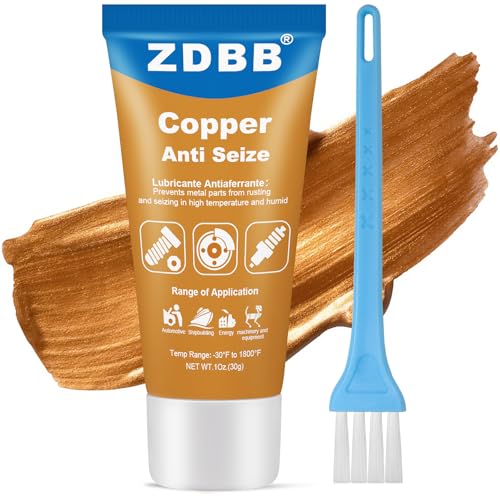
ZDBB Copper Anti Seize Thread Lubricant 1oz

Loctite 37616 Copper Anti-Seize Stick 20 g

Loctite 299175 Paste Anti-Seize Lubricant 8 oz Can

Loctite 37617-6PK Silver-Grade Anti-Seize Lubricant 20 g Stick
More Details On Our Top Picks
Keze keeps the format simple, which suits spark plug threads and other small fasteners in a home garage. The 1 oz pack is easy to store in a tool tray, and the copper-based blend fits routine automotive service better than a bulky shop can.
The trade-off is capacity, since this size makes more sense for occasional maintenance than heavy fleet work. Compared with Loctite 299175, it feels more compact and less like a general workshop supply, but that also keeps it tidy for a glove box or drawer.
Strong Points
- Small container keeps the work area uncluttered.
- Copper blend suits common threaded hardware.
- Useful for spark plugs, brake parts, and bolts.
- Easy to keep near a basic tool kit.
Things To Consider
- 1 oz size suits light use more than frequent service.
- Brush or applicator detail is not stated.
Feature Snapshot
Who It Suits Best
Weekend mechanics and small-garage maintenance work suit this format well.
A Better Fit Elsewhere
Loctite 37617-6PK Silver-Grade Anti-Seize Lubricant 20 g Stick better suits repeated service work that needs more than one small tube.
This one serves a different job than the metal pastes above, because dielectric grease belongs on boots, terminals, and electrical connectors rather than spark plug threads themselves. The 10 g size makes sense for boat bins, truck tool rolls, and mixed electrical maintenance, especially where salt air and vibration show up together.
YOLOtek leans toward connector care, so it fits owners who keep electronics and battery terminals in steady rotation. The honest read is that the small tube is practical, though it will run out sooner than the larger canister options in this list.
Upsides
- Silicone grease suits electrical contact points.
- Compact 10 g tube stores neatly.
- Useful for marine and automotive upkeep.
- Good match for boots and terminals.
Room For Improvement
- Small amount limits broad shop use.
- More of a connector helper than a thread compound.
Who Should Grab It
Boat owners and anyone maintaining connectors, terminals, or plug boots will get the most from it.
Another Choice May Suit
Permatex 77124 Nickel Anti-Seize Lubricant 8 oz. is the stronger match for high-heat metal threads and larger repair jobs.
Nickel anti-seize sits in the tougher corner of this category, and that is where Permatex 77124 makes sense. The 8 oz can suits service bays and long-use garages where stainless hardware, titanium parts, or demanding exhaust work show up often.
Compared with the copper tubes in this roundup, this one is the more serious heat-focused option. The trade-off is obvious, though, because most casual spark plug swaps do not need this much material or this level of specialization.
Best Bits
- Nickel formula fits demanding metal combinations.
- Larger can works for repeated service.
- Useful in exhaust and high-heat areas.
- Well suited to mixed-metal fasteners.
Softer Spots
- More product than a weekend kit often needs.
- Less compact than stick-style options.
At A Glance
Built With In Mind
Technicians and serious garage users handling hot fasteners or mixed metals will appreciate the capacity and formula.
Reach For A Different Pick When
Keze Copper Anti Seize Thread Lubricant Grease is the neater fit for smaller spark plug jobs and compact storage.
ZDBB stands out because the brush makes small-area application easier than a plain jar or can. That matters around spark plugs, brake hardware, and stubborn studs, where a little control goes a long way and cleanup stays simpler.
The 1 oz size keeps it light for a glove box or side drawer, which suits occasional maintenance more than shop volume. Compared with Keze, it adds a more controlled applicator, though the capacity still stays modest.
Bright Spots
- Brush helps place the compound neatly.
- Copper base suits common automotive hardware.
- Small pack is easy to store.
- Good for focused maintenance work.
Points To Note
- 1 oz pack is limited for repeated use.
- Brush application can slow larger jobs slightly.
Core Details
Made For
Home mechanics who value cleaner placement on small fasteners will get the most from this design.
Skip It When
Permatex 77124 Nickel Anti-Seize Lubricant 8 oz. suits larger service intervals and hotter, harsher hardware.
Stick-format anti-seize is a neat answer for tight workspaces, and Loctite 37616 leans into that. The 20 g format keeps the compound contained, which is useful around spark plugs, flanges, and other mated parts where excess paste can get messy.
That cleaner delivery method is the main reason this pick feels different from the can-based Loctite 299175. It is less about bulk coverage and more about careful placement, so the fit is strongest in tidy garages or small repair kits.
Reasons To Buy
- Stick format helps reduce mess.
- Compact size suits small service kits.
- Useful on studs, bolts, and flanges.
- Easy to store between repairs.
Small Caveats
- Smaller amount may not suit broad shop use.
- Stick format is slower for covering larger parts.
Feature Rundown
The Right Fit
Owners who want cleaner placement on smaller threaded parts will appreciate the stick format.
Look Elsewhere When
Loctite 299175 Paste Anti-Seize Lubricant 8 oz Can suits users who want a larger supply for repeat work.
Loctite 299175 reads like a workbench staple, especially for a garage that sees a broad mix of fasteners and heat exposure. The stated temperature range is wide, so it suits owners who want one paste for cold starts, hot engine zones, and general metal protection.
The can format also makes sense for repeated use, though it takes more storage room than the sticks in this list. Compared with Loctite 37616, this option favors coverage and capacity over ultra-compact handling.
Highlights
- Wide temperature range broadens use cases.
- 8 oz can supports frequent service.
- Works well for many metal surfaces.
- Useful as a general shop staple.
Areas To Watch
- Can format needs more shelf space.
- More product than occasional spark plug work requires.
Technical Sheet
Whose Shelf It Belongs On
Home garages and shop benches that want one broad-use paste will find this format practical.
Swap It Out When
Keze Copper Anti Seize Thread Lubricant Grease is the lighter choice for smaller tool kits and less frequent service.
This six-pack leans toward steady maintenance rather than one-off ownership. The stick form stays tidy, and the multiple tubes suit garages that service spark plugs, exhaust bolts, or cylinder head hardware on a regular schedule.
Silver-grade compounds often appeal in harsher service settings, and this pack follows that logic without taking much drawer space per stick. The trade-off is simple, since the six-count format makes more sense for frequent use than for a single seasonal repair.
Best Bits
- Six sticks support repeated maintenance.
- Stick format helps avoid heavy mess.
- Useful for spark plugs and exhaust bolts.
- Easy to split across tool boxes.
Honest Caveats
- More than casual users usually need.
- Pack format takes planning for storage.
Details At A Glance
Perfect Match For
Frequent maintainers and multi-vehicle garages will get the most value from the six-stick pack.
Where A Sibling Pick Shines
Loctite 37616 Copper Anti-Seize Stick 20 g is the simpler pick for a single-tool kit or lighter use.
What Matters Most Before Choosing Anti-Seizes For Spark Plugs
Hidden Buying Traps
Thread compound and dielectric grease do different jobs, so matching the formula to the part matters more than grabbing the first tube on the shelf. Container size deserves attention too, since a small car owner and a multi-vehicle garage need very different amounts.
The Upgrade Payoff
Higher-cost options usually pay for stronger temperature tolerance, more controlled packaging, or a larger working supply. That matters most in hot exhaust zones, marine settings, or repeated service work where consistency counts.
Key Considerations Across These Picks
Mistakes Worth Dodging
Several service headaches come from using metal anti-seize on electrical connectors or using dielectric grease on threaded metal joints. Another common miss is choosing a can that outgrows the tool drawer before the compound ever gets used.
When Paying More Pays Off
Spending up makes sense for technicians, fleet maintenance, and older engines that see stubborn fasteners. The extra cost usually buys a better fit for heat, storage format, or package count.
Frequently Asked Questions
Can Anti-Seize Go On Spark Plug Threads?
Yes, many copper and nickel compounds are used on spark plug threads. Thread torque and application amount still matter, so the product page and service specs should guide the choice.
What Is Dielectric Grease Used For Here?
Dielectric grease belongs on electrical boots, terminals, and connectors. It is a different job from thread compound, so it should not be treated as a plug-thread substitute.
Why Choose Nickel Instead Of Copper?
Nickel suits harsher heat and certain mixed-metal assemblies better than basic copper blends. That makes it a stronger fit for demanding exhaust and high-temperature service.
Do Sticks Beat Pastes?
Sticks are cleaner for small, controlled application. Pastes can be better for broader coverage and larger service jobs.
How Much Anti-Seize Is Needed For Routine Work?
Small tubes or sticks cover occasional spark plug service well. Larger cans suit repeated maintenance or several vehicles.
