

Sticky valves rarely announce themselves with one clean symptom. More often, the engine starts to idle rough, sounds uneven under load, or needs a longer crank than it used to. The right additive can help in that gray zone between routine maintenance and a more involved repair, especially for small engines, older cars, and equipment that sits through seasonal storage.
Quick Look At The Shortlist

STA-BIL Fast Fix Small Engine Treatment

LIQUI MOLY Valve Clean 150mL
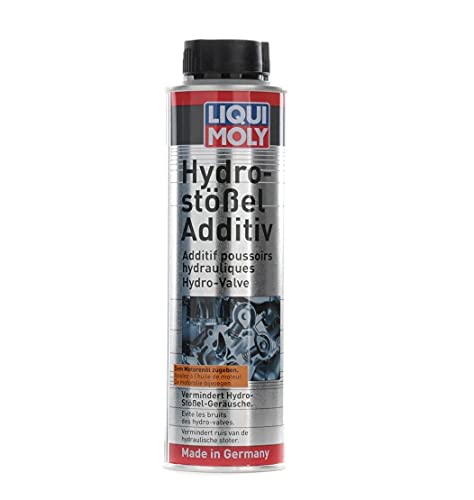
Liqui Moly Hydro-Stößel-Additiv 300 ml
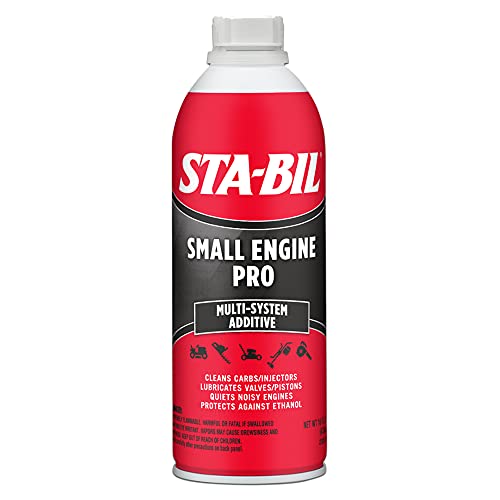
STA-BIL Small Engine Pro 16 oz

Liqui Moly 2009 Anti-Friction Oil Treatment
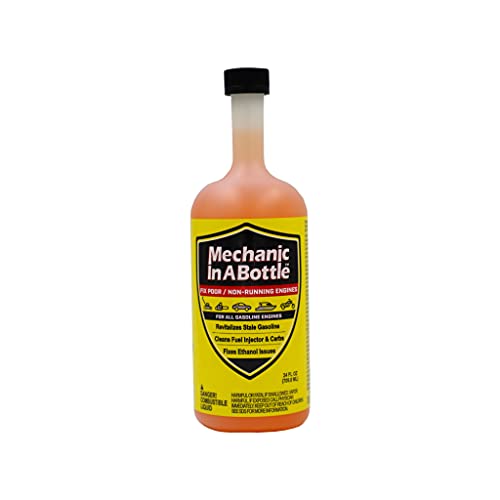
B3C Fuel Solutions Mechanic in A Bottle 24 oz

Dura Lube Severe Instant Quiet 8 oz.
More Details On Our Top Picks
Seasonal mowers, trimmers, and other compact engines often sit for long stretches, and that’s where this treatment makes the most sense. Its job centers on fuel-system cleanup, so gum and varnish buildup get less room to interfere with starting and smooth running.
The 8 oz bottle treats up to 20 gallons, which makes it easier to use across several tanks instead of treating one machine at a time. The trade-off is straightforward, it’s aimed at gasoline engine issues, not every type of valve problem, so the fit is strongest for small equipment rather than broader automotive maintenance.
Strong Points
- Targets carburetors and injectors, useful for rough-running small engines.
- One bottle covers a generous fuel amount, which stretches seasonal use.
- Handy for equipment that has sat through storage and needs a cleaner fuel path.
Things To Consider
- Works best inside gasoline systems, so fit is narrower than multi-use blends.
- Small-engine maintenance still benefits from clean air filters and fresh fuel habits.
Feature Rundown
Who It Suits Best
Landscaping owners and home users with small gasoline engines get the clearest value here, especially for equipment that starts to run unevenly after storage.
A Better Fit Elsewhere
B3C Fuel Solutions Mechanic in A Bottle 24 oz suits shoppers who want a broader fuel-system treatment for older gasoline engines with more stubborn varnish issues.
Valve-focused additives like this one are aimed at drivers who want a cleaner combustion path rather than a broad all-purpose treatment. The 150 mL size is compact, and the listing’s note about diesel particulate filter compatibility gives it a clearer lane than a generic bottle.
That narrower focus helps in modern cars where exhaust aftertreatment matters, though it also means the product is less about big, dramatic fixes and more about maintenance-minded upkeep. For commuters and owners of newer diesel-friendly gasoline setups, that kind of restraint can be exactly the point.
What We Like
- Compact 150 mL format is easy to store with other service items.
- Engine-cleanliness focus suits drivers who want a tighter maintenance routine.
- Works well for vehicles that need a valve-cleaning additive with a more specific profile.
Worth Noting
- The smaller bottle calls for more careful dosing and storage.
- Its narrower mission makes it less versatile than broader fuel treatments.
Who Will Love This
Daily drivers with diesel particulate filter concerns and tidy maintenance habits are the clearest match for this compact Liqui Moly formula.
Look Elsewhere When
STA-BIL Small Engine Pro Multi-System Additive fits better for garage shelves that need one bottle for gas and oil use across yard equipment.
Hydraulic lifter noise can sound minor at first, then become hard to ignore on a cold start or after a long idle. This additive is built around that problem, with a cleaner, quieter valve-train result as the main aim rather than a broad fuel-system overhaul.
The 300 mL bottle works with commercially available motor oils in gasoline and diesel engines, including engines with diesel particulate filters. That flexibility matters in mixed households, though the trade-off is obvious, it’s a targeted oil additive, so it belongs in the crankcase side of maintenance, not the fuel tank.
Highlights
- Designed for worn hydraulic lifters, a useful match for ticking valve-train noise.
- Compatible with common motor oils in gasoline and diesel engines.
- Good fit for vehicles that need oil-side attention rather than fuel cleaning.
- Simple bottle format is easy to stash with garage supplies.
Minor Gripes
- Very specific use case, so it is not a broad engine treatment.
- Oil-additive use means the rest of the lubrication system still needs normal upkeep.
At A Glance
Who Should Grab It
Owners dealing with hydraulic lifter ticking in everyday road cars get the clearest value from this Liqui Moly additive.
Where A Sibling Pick Shines
DURA LUBE Severe Instant Quiet suits older engines and transmissions better when the concern is broad drivetrain noise rather than lifter-specific behavior.
Garage shelves that hold one bottle for multiple jobs tend to favor this formula. It is aimed at both gas and oil use, so it speaks to owners who want one additive for sticky components, rough idle, and general fuel-system care.
The ethanol corrosion inhibitor angle matters too, especially for equipment that spends time parked between uses. Compared with STA-BIL Fast Fix, this one feels broader and less narrowly tuned, which helps in mixed equipment sheds but also makes it less specialized.
Upsides
- Multi-system use gives it a wider role than a single-purpose cleaner.
- Lubrication support is helpful for internal parts that need smoother movement.
- Fuel-system cleaning can support better running in equipment that sees seasonal storage.
- Ethanol-focused corrosion inhibitors add value for modern fuel blends.
Room For Improvement
- Broader scope can feel less targeted than a dedicated valve or lifter additive.
- Owners with a single narrow problem may prefer a more specialized bottle.
Core Details
Whose Shelf It Belongs On
Home owners with mowers, trimmers, and other small gasoline engines will get the most out of this all-around treatment.
Another Choice May Suit
Liqui Moly Hydro-Stößel-Additiv 300 ml suits drivers who need a more focused answer for hydraulic lifter noise inside a road car.
Engines that already run clean but still feel a bit harsh in operation can benefit from an oil-side friction treatment. This one sits in that lane, with a pack-of-two format that makes sense for maintenance schedules rather than one-off emergency use.
The German-made positioning points to a more premium service item, though the practical read is simpler: it’s for owners who want an additive focused on wear protection inside the oil circuit. Compared with the small-engine STA-BIL options, it suits road engines more naturally than lawn equipment.
Reasons To Buy
- Oil-treatment format is a clean fit for routine crankcase maintenance.
- Pack of two supports repeat use or multiple service intervals.
- Good match for drivers who want a more refined maintenance product.
Softer Spots
- Less useful for fuel-system grime than the dedicated cleaner-style picks.
- Pack size is better for ongoing upkeep than a single urgent repair.
Best Suited To
Road-car owners who already follow a careful oil-service routine get the clearest value from this Liqui Moly treatment.
Swap It Out When
B3C Fuel Solutions Mechanic in A Bottle makes more sense for engines that need fuel-system cleaning and water removal together.
Older gasoline equipment often needs more than a light cleaner, especially after stale fuel, water intrusion, or varnish buildup. This synthetic treatment takes a broad approach, cleaning the fuel system, conditioning rubber and plastic parts, and replacing lost octane with a no-alcohol formula.
That mix makes it especially relevant for older mowers, generators, and weekend machines that have sat too long between uses. The trade-off is that its scope is wide, so it feels less surgical than LIQUI MOLY Valve Clean for modern road vehicles with a more specific maintenance target.
Best Bits
- Broad fuel-system cleaning helps with varnish, carbon, and water issues.
- Rubber and plastic conditioning supports dried-out fuel-system parts.
- No-alcohol formula keeps the profile simple for gasoline equipment.
- 24 oz bottle offers a larger maintenance reserve than compact options.
Points To Note
- Broad coverage can be more than needed for minor maintenance jobs.
- Large bottle size takes more storage room on the garage shelf.
- Gasoline-engine focus leaves out the road-car oil-additive use case.
Who Will Love This
Owners of older gasoline-powered equipment that has been parked for stretches will get the clearest benefit from this bottle.
Where A Sibling Pick Shines
STA-BIL Fast Fix Small Engine Treatment is the cleaner fit for smaller lawn tools that need a more compact, storage-friendly dose.
Noise-focused additives serve a different purpose than fuel cleaners, and this one is aimed squarely at engines and transmissions that have become vocal with age. The formula emphasizes lubrication and friction reduction, so the pitch is about smoother operation rather than carburetor cleanup.
That makes it a sensible fit for higher-mileage vehicles or older drivetrains where ticking, knocking, or general mechanical chatter has become part of daily use. The honest read is that it belongs in a maintenance plan, not as a fix-all, and the smaller 8 oz format keeps the role appropriately narrow.
Positives
- Targets engine and transmission noise in a single bottle.
- Compact 8 oz size is easy to store with service supplies.
- Useful for older vehicles that need extra lubrication support.
Areas To Watch
- Noise reduction focus is narrower than the fuel-system products above.
- Smaller bottle means it is better suited to focused maintenance use.
Details At A Glance
Built With In Mind
Owners of older cars and light trucks with persistent drivetrain noise are the clearest match for this DURA LUBE treatment.
Reach For A Different Pick When
Liqui Moly Hydro-Stößel-Additiv 300 ml is the better fit for hydraulic lifter noise that shows up inside the valve train rather than across the drivetrain.
Choosing Additives For Sticky Valves Without Guesswork
Common Shopping Slip Ups
The biggest mistake is matching the bottle to the symptom too loosely. A fuel-system cleaner helps varnish, water, and rough running, while an oil additive makes more sense for lifter tick or drivetrain noise.
The Upgrade Payoff
Higher-tier formulas usually cost more because they target a narrower problem, use more specific chemistry, or come in packs that support repeat maintenance. That extra spend makes the most sense for older engines, modern diesel-friendly cars, or equipment that needs regular upkeep rather than a single quick treatment.
Key Questions Before Picking One
Wrong Turns To Avoid
What Separates Premium From Basic
Frequently Asked Questions
What do additives for sticky valves usually help with?
These products usually aim at noise, varnish, or rough running tied to fuel or oil contamination. The exact result depends on whether the issue lives in the fuel system or the valve train.
Are fuel additives and oil additives the same thing?
No, they serve different parts of the engine. Fuel treatments go into gasoline, while oil treatments work inside the crankcase.
Which item here is most versatile?
STA-BIL Small Engine Pro Multi-System Additive covers both gas and oil use, so it has the broadest role in this group. That broader scope also makes it less specialized than a dedicated valve cleaner.
Which pick suits older cars with noisy lifters?
Liqui Moly Hydro-Stößel-Additiv 300 ml fits that job best. Its focus is hydraulic lifter noise rather than fuel-system grime.
Which option makes sense for small outdoor equipment?
STA-BIL Fast Fix Small Engine Treatment is the clearest match for mowers, trimmers, and other compact gasoline engines. Its smaller format also fits seasonal storage routines well.
