

Additives for engine knock usually serve two jobs, reducing audible ping while helping fuel or oil systems stay cleaner. That matters for daily drivers, older engines, small equipment, and anything that starts sounding rough under load. The strongest options here split into fuel-treatment formulas, oil additives, and multi-system blends, so the right match depends on the symptom and the engine type.
Quick Look At The Shortlist

STA-BIL Fast Fix Small Engine Treatment 8oz
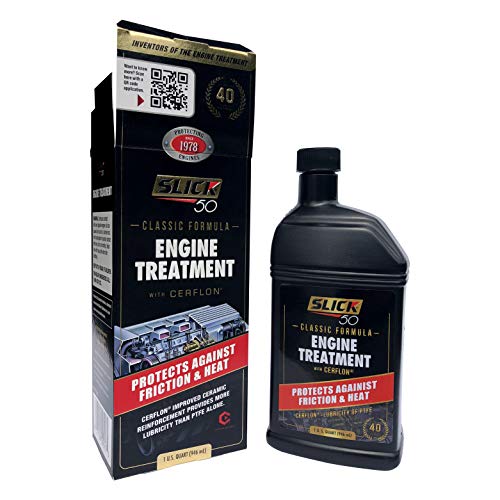
Slick 50 Original Engine Treatment 32 oz
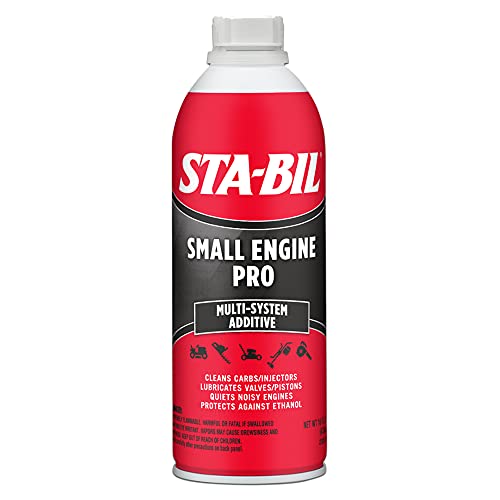
STA-BIL Small Engine Pro Multi-System Additive 16 oz

Rislone 4747-12PK Super Concentrated Octane Booster 12 Pack

Liqui Moly 2009 Anti-Friction Oil Treatment Pack of 2

Dura Lube Engine Treatment 32 oz

Dura Lube Severe Instant Quiet 8 oz
More Details On Our Top Picks
Small engines tend to feel the effects of stale fuel faster than passenger cars, and this formula is aimed at that exact problem. It targets rough idle, hard starts, and fuel-system grime, which makes it a sensible match for mowers, trimmers, and other equipment that sits between uses.
The 8-ounce bottle treats up to 20 gallons, so the same container can serve a shed full of tools or a few seasonal machines. The trade-off is straightforward, it speaks to fuel cleanup more than deep mechanical repair, so the best fit is equipment that still runs but has become fussy.
Strong Points
- Built for small-engine fuel systems that need a cleaner burn path.
- Can help restore smoother starts after fuel has sat too long.
- 8-ounce size stays easy to store in a garage shelf or tool box.
- One bottle covers a broad amount of treated fuel.
Things To Consider
- Works as a treatment, not a substitute for worn parts or overdue service.
- Best results depend on a machine that still has a healthy base engine.
Feature Card
Who It Suits Best
Outdoor power equipment owners with rough-running or hard-starting machines will get the most out of this format.
Where A Sibling Pick Shines
STA-BIL Small Engine Pro Multi-System Additive suits shoppers who want a broader gas-and-oil option instead of a fuel-only cleaner.
Oil additives like this sit in a different lane from the first pick, since the focus is friction inside the engine rather than fuel cleanliness. That matters for higher-mileage cars and steady commuters, where smoother internal movement can be more relevant than a quick carburetor cleanup.
The 32-ounce format makes sense for routine maintenance, but it also means a larger bottle to store and pour cleanly. The ceramic and PTFE blend is the headline feature, though the practical value depends on how well the engine already holds compression and oil pressure.
What We Like
- Oil-side treatment helps address friction where fuel additives cannot reach.
- Larger bottle suits ongoing upkeep across more than one oil change.
- PTFE and ceramic-based positioning appeals to careful maintenance routines.
- Better fit for engines that need smoother internal operation than fuel cleaning.
Room For Improvement
- Bulkier bottle takes more shelf space than smaller treatment packs.
- Less relevant for knock caused mainly by stale fuel or low octane.
- Pouring a larger container calls for a steady hand in a crowded garage.
Who Should Grab It
Owners of older daily drivers who want an oil-treatment approach instead of a fuel-system cleaner are the strongest match here.
Look Elsewhere When
Rislone 4747-12PK Super Concentrated Octane Booster fits better for engines that ping because the fuel itself needs a higher octane ceiling.
This one is broader than STA-BIL Fast Fix, because it can live in gas or oil depending on the machine’s needs. That versatility suits garage shelves full of mixed equipment, especially where a single additive has to cover seasonal storage, lubrication, and general upkeep.
The formula also leans into corrosion inhibitors, which are additives designed to slow chemical wear from moisture and fuel breakdown. The honest read is that this breadth is useful, but it works best for owners who want one bottle to cover several small-engine chores rather than a highly specialized fix.
Upsides
- Can be used in either fuel or oil, which simplifies shelf clutter.
- Built to clean gum and varnish from common small-engine paths.
- Lubrication support may help older valves and pistons stay freer.
- Corrosion inhibitors add value for equipment stored between seasons.
Softer Spots
- Multi-use formulas can feel less focused than a dedicated octane booster.
- Needs careful attention to which system is being treated.
Quick Facts
Built With In Mind
Homeowners managing several small engines, from mowers to trimmers, are the clearest fit for this multi-system approach.
A Better Fit Elsewhere
Slick 50 Original Engine Treatment suits drivers who want a more oil-centered additive for everyday road use.
Rislone’s formula stands apart from the previous fuel and oil treatments because this one is built for octane management first. That makes it the most direct option here for knock, ping, and hesitation tied to fuel quality rather than wear inside the engine.
The 12-pack format suits households or shops that keep several gas-powered vehicles in rotation, and one bottle treats up to 20 gallons. It works across unleaded blends and also lists compatibility with ethanol fuel and racing fuel, although the real benefit shows up most clearly in engines that respond to a stronger octane margin.
Highlights
- Addresses knock and ping at the fuel level.
- Useful across a wide range of gasoline types.
- One bottle covers a sizeable tank fill.
- Fits gas caps, capless designs, and obstructed filler necks.
- Suitable for fuel-injected, direct-injected, turbocharged, and carbureted setups.
Points To Note
- Best suited to engines where octane is the bottleneck.
- Bulk pack storage is less convenient than a single bottle.
- Not a substitute for mechanical diagnosis on serious engine noise.
Core Details
Made For
Drivers dealing with ping under load, especially in performance-oriented gasoline engines, are the best match for this booster.
Skip It When
Dura Lube Engine Treatment suits owners who want a broader oil additive rather than an octane-focused formula.
Liqui Moly takes a cleaner, more maintenance-minded path than the fuel-first items above. It is aimed at reducing internal friction in the oil circuit, which can be a smart match for drivers who keep up with service intervals and want a German-made treatment in a two-bottle pack.
The pack format is practical for households with more than one vehicle or for keeping a spare on hand. The trade-off is that it speaks mainly to wear reduction, so engines suffering from stale fuel or knock tied to octane are better served by the Rislone booster instead.
Best Bits
- Oil-treatment approach fits engines that need smoother internal movement.
- Two-pack format makes repeat maintenance simpler.
- Compact bottles are easy to store beside other fluids.
- Strong match for routine upkeep rather than emergency fixes.
Small Caveats
- Less relevant for knock rooted in fuel quality.
- Two bottles can be more than a casual top-up needs.
Perfect Match For
Maintenance-focused drivers and owners of older cars that still see regular oil changes are the clearest fit here.
Reach For A Different Pick When
STA-BIL Fast Fix suits small engines that need help through the fuel system rather than the oil side.
Among the oil-side choices, this Dura Lube treatment feels pitched for routine use in vehicles that have seen a few miles. Its main job is lowering friction and giving extra lubrication during cold starts, which matters most on older engines that sound a little less settled on chilly mornings.
The 32-ounce bottle is substantial, so it fits well for a garage where maintenance happens more than once a year. The downside is that it is less specialized than the octane booster, but that broader profile is exactly what makes it easier to slot into regular upkeep.
Bright Spots
- Focuses on friction reduction across internal engine parts.
- Cold-start lubrication is useful for older vehicles parked outdoors.
- Large bottle size suits routine maintenance schedules.
- Balanced profile works for general upkeep rather than one narrow issue.
Areas To Watch
- Bulkier container takes more storage room than smaller additives.
- Less targeted than a fuel treatment for actual ping and knock.
Details At A Glance
The Right Fit
Owners of higher-mileage commuter cars who want an oil-treatment routine around seasonal service will find the shape of this bottle useful.
Another Choice May Suit
Dura Lube Severe Instant Quiet fits better for noise-heavy engines and transmissions that need a more focused quieting treatment.
This is the most focused noise-control option in the group, and that narrow focus is its strength. Engines or transmissions that have started ticking, knocking, or sounding coarse can benefit from a treatment built around lubrication rather than fuel chemistry.
The 8-ounce bottle keeps storage simple, which helps in a crowded garage or glovebox-sized maintenance kit. The trade-off is scope, since this pick is aimed at quieting sound and reducing friction, not at cleaning carburetors or adjusting octane.
Positives
- Targets engine and transmission noise directly.
- Small bottle is easy to keep on hand for older vehicles.
- Can suit high-mileage drivetrains that need added lubrication.
- Less shelf space required than the larger treatment bottles.
Honest Caveats
- Noise reduction is not the same as fixing the root cause.
- Smaller size may suit one-off use more than recurring service.
- Not aimed at fuel-system cleaning or octane correction.
Whose Shelf It Belongs On
Drivers with older cars, noisy automatic transmissions, or engines that have become louder over time are the best match.
Skip It When
Rislone 4747-12PK Super Concentrated Octane Booster fits better for ping that comes from fuel quality rather than mechanical noise.
What Matters Most Before Choosing Additives For Engine Knock
Common Shopping Slip Ups
Match the additive to the symptom first. Fuel-side knock calls for octane support or fuel-system cleaning, while ticking, friction, and transmission noise point toward oil-focused treatments.
When Paying More Pays Off
Higher-tier formulas usually cost more because they use stronger concentration, broader compatibility, or more specialized chemistry. That upgrade makes sense for performance engines, older drivetrains, or households that want one bottle to cover more than one maintenance need.
Frequently Asked Questions
What causes engine knock in everyday driving?
Low octane fuel, buildup in the fuel system, and mechanical wear are common triggers. The right additive depends on which of those issues is most likely.
Do oil additives and octane boosters solve the same problem?
No, they work in different parts of the system. Oil additives focus on friction and lubrication, while octane boosters address ping tied to combustion quality.
Are these products useful for small engines?
Yes, especially formulas built for carburetors, injectors, and fuel storage issues. Small engines often show rough running sooner than road vehicles.
Can one bottle handle more than one vehicle?
Some formulas treat a large fuel volume or come in multi-pack form, so that’s realistic. Bottle size and treatment capacity matter more than the label alone.
Is a noise additive the same as a repair?
No, it can reduce harsh sound, but it does not replace diagnosis. Persistent knock or transmission noise still points to a mechanical issue.
