

4 Stroke Engine Kits cover a wide spread of replacement and project needs, from kart builds and dirt bikes to marine maintenance and general-purpose horizontal-shaft swaps. The right pick depends on shaft layout, starting style, displacement, and how much assembly work sits ahead. That mix matters in a garage, on a weekend rebuild, or in a busy repair shed.
The seven picks below separate full engine swaps from maintenance kits, so the comparison stays practical. Some favor straightforward installation, others suit heavier equipment or narrower engine bays. The trade-off is simple: more power and more hardware usually mean more setup.
The Shortlist At A Glance
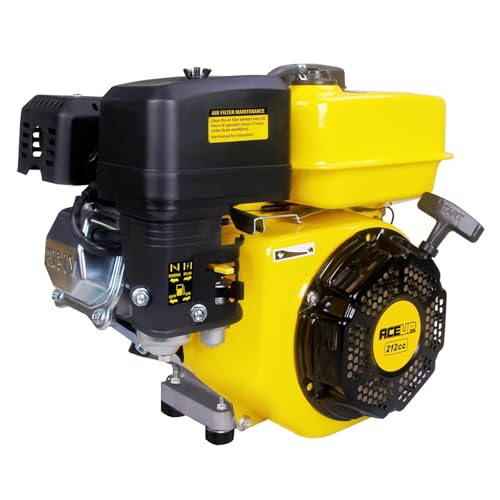
Aceup Energy 7HP 212cc Gas Engine

BILT HARD 420cc 15HP Gas Engine

110CC 4 Stroke Engine Motor

Quicksilver 4-Stroke Oil Change Kit

4-Stroke Gas Engine Motor 212cc 7.5HP

125CC 4 Stroke Engine Motor Kit

4-Stroke 125CC Air-Cooled Engine Motor
More Details On Our Top Picks
Horizontal-shaft swaps live or die on fit, and this Aceup Energy unit keeps the layout straightforward with a 3/4-inch shaft and recoil start. The steel camshaft and shock pad point toward a practical, workhorse build, which matters on log splitters, pumps, and similar equipment that sees regular use.
Compared with the larger BILT HARD option, this one is easier to place in lighter-duty equipment without overcommitting on size. The honest trade-off is that the 7HP class will not suit every heavier machine, but for many repair jobs, that restraint helps more than it hurts.
What We Like
- 3/4-inch horizontal shaft suits common replacement setups.
- Steel camshaft adds confidence for routine equipment use.
- Shock pad design may help reduce harsh vibration transfer.
- Recoil start keeps the design simple and familiar.
Points To Note
- Manual starting is less convenient than electric-start units.
- Fit still depends on shaft length, keyway, and mounting layout.
Who It Suits Best
Home mechanics and property owners replacing a mid-size horizontal-shaft engine will get the clearest fit here.
Where Another Pick Shines
BILT HARD 420cc 15HP Gas Engine fits heavier equipment that calls for more displacement and electric start.
For equipment that asks for more torque, the BILT HARD 420cc model sits in a different lane from the Aceup Energy 7HP. Electric start changes the day-to-day experience in a real workshop, especially on machines that get used often or sit in colder storage.
The bigger displacement and 1.2-gallon fuel tank suit larger chores, but the size also means a stricter match on mounting and driveline needs. The shipped-dry detail is worth noting, since setup takes more care than a smaller drop-in replacement.
Highlights
- Electric start reduces the effort of repeated restarts.
- 420cc displacement gives it a stronger role in heavier equipment.
- Horizontal-shaft format keeps it relevant for many utility swaps.
- Large fuel tank supports longer work sessions between refills.
- Good fit for machines that need a more forceful power band.
Things To Consider
- Dry shipping means fuel and oil setup must be handled before use.
- Its size is less forgiving in compact frames.
- More output can be overkill for lighter-duty tools.
Made For
Shop owners and equipment users replacing a stronger horizontal-shaft engine will appreciate the electric start and larger displacement.
Reach For A Different Pick When
Aceup Energy 7HP 212cc Gas Engine suits lighter replacement jobs where a smaller footprint matters more than raw output.
Small-displacement engines solve a different problem, and this 110cc unit is aimed at tight ATV and go-kart frames rather than full-size utility machines. The compatibility list points to a broad fit across compact powersports builds, which matters more than headline output in this class.
That narrower size profile makes it easier to match to smaller 50cc to 110cc setups, though it also limits the equipment it can sensibly replace. For backyard kart projects or youth-sized vehicles, the scale looks about right.
Bright Spots
- Small displacement suits compact powersports applications.
- Broad brand compatibility helps in model matching.
- Best suited to frames where larger engines would crowd the bay.
Areas To Watch
- It is not aimed at heavier utility equipment.
- Compatibility still depends on frame and mounting layout.
Feature Rundown
Best Suited To
Compact kart and ATV projects benefit most from the smaller footprint and easier fitment range.
Consider Something Else When
BILT HARD 420cc 15HP Gas Engine is the stronger call for large equipment that needs more output.
This is the outlier in the group, because it is a service kit rather than a replacement engine. For Mercury outboard owners, that makes it a focused maintenance item, useful for keeping an existing 4-stroke marine setup in steady condition.
Compared with the engine swaps above, the value here sits in convenience and compatibility across a wide horsepower spread. The trade-off is obvious: it helps during service work, not during a full engine replacement.
Positives
- Built for Mercury 4-stroke outboards across many horsepower ranges.
- Service-focused format keeps oil change parts together.
- Good fit for boat owners who prefer one matched kit instead of piecing parts together.
Softer Spots
- It does not replace an engine, so the use case is narrow.
- Marine service needs still depend on exact outboard model matching.
Core Details
Who Will Love This
Boat owners servicing Mercury outboards will value the kit format and the wide compatibility range.
A Better Fit Elsewhere
BILT HARD 420cc 15HP Gas Engine is the better match for land-based equipment that needs a full engine swap.
This 212cc engine sits in the useful middle ground for kart and mini-bike projects, with pull start and air cooling keeping the design straightforward. The black finish and single-cylinder layout keep the package plain, which suits home garages better than flashy show builds.
Against the Aceup Energy 7HP unit, this LUNUMAOS model leans more toward recreational builds than utility equipment. One thing worth considering is the maintenance profile of any air-cooled engine, since cleaning around the cooling path matters during regular ownership.
Strong Points
- 212cc size works well for many kart and mini-bike projects.
- Pull start keeps the setup uncomplicated.
- Air cooling and air filter support a basic, familiar engine layout.
- Single-cylinder format often fits compact builds more easily.
Minor Gripes
- Manual starting is less convenient than electric-start setups.
- Air-cooled engines need routine cleaning around vents and intake areas.
At A Glance
Right Fit For
Recreational builders and garage tinkerers looking for a simple kart or mini-bike powerplant will find the fit sensible.
Skip It When
BILT HARD 420cc 15HP Gas Engine is the better call for equipment that needs more power and electric start.
Bikerid takes a more assembled approach than the single engine listings above, and that matters for pit bike and ATV conversions where missing pieces slow the job down. The aluminum-alloy build points to lower weight and better heat movement, both useful in compact motorcycle frames.
The included intake pipe, drive sprocket, sprocket cover, and spark plug add practical value, though the missing carburetor and ignition-related parts mean the install is not fully complete. That trade-off makes sense for experienced hobby mechanics, less so for a first-time project with a tight timeline.
Reasons To Buy
- Included parts reduce the number of separate purchases.
- Manual-clutch design suits common small-bike and ATV conversions.
- Aluminum alloy construction helps keep weight in check.
- Air-cooled layout keeps the engine package familiar.
Room For Improvement
- Several supporting parts are still required for a complete install.
- Fitment on Honda XR and CRF platforms needs careful checking.
- Assembly time is longer than with a simpler drop-in engine.
Feature Snapshot
Built With In Mind
DIY mechanics working on pit bikes, quad kits, or compact off-road conversions will get the most from the included parts package.
Look Elsewhere When
TBVECHI 4-Stroke 125CC Air-Cooled Engine Motor suits Honda small-frame owners who want a kick-start setup instead.
TBVECHI keeps the focus squarely on small Honda-style dirt bikes, and the kick-start setup makes the package feel traditional in a good way. For CRF50, CRF70, XR50, and XR70 owners, that direct compatibility is the main attraction, not a pile of extra hardware.
Compared with the Bikerid kit, this one is narrower in scope but easier to think through for a known bike family. The hand-clutch, four-speed layout and CDI ignition details belong to the kind of swap that rewards careful matching more than broad versatility.
Best Bits
- Kick-start format suits riders who prefer a straightforward routine.
- Direct fit language for Honda small-frame bikes narrows the search.
- Air-cooled design keeps the engine layout simple.
- Four-speed setup gives the engine a defined motorcycle role.
Worth Noting
- Bike-specific fit means careful model matching is essential.
- Manual operation is less convenient than electric start.
Core Details
Whose Shelf It Belongs On
Owners of compatible Honda mini dirt bikes who want a compact 125cc replacement will get the clearest fit here.
Another Choice May Suit
Bikerid 125CC 4 Stroke Engine Motor Kit is the broader option for mixed ATV and pit bike conversion work.
What Matters Most Before Choosing 4 Stroke Engine Kits
Mistakes Worth Dodging
Shaft orientation, mounting pattern, and starting method decide whether a swap feels clean or awkward. Displacement alone rarely solves a fit problem, especially on kart frames, compact bikes, and outboard service parts.
The Upgrade Payoff
Higher-tier engines usually cost more because of larger displacement, electric start hardware, and fuller accessory bundles. That extra spend makes sense on machines that run often, carry heavier loads, or need easier restarts.
Key Considerations Across These Picks
Common Shopping Slip Ups
Mismatch between engine layout and the host machine causes the most frustration. A careful check of shaft size, start type, and vehicle family saves more time than chasing raw horsepower.
What Separates Premium From Basic
More complete kits, electric start, and stronger internal hardware usually sit in the higher tier. Those details matter most for frequent use, larger equipment, and projects where downtime is costly.
Frequently Asked Questions
What does 4-stroke mean in an engine kit?
A 4-stroke engine completes intake, compression, power, and exhaust in separate strokes of the piston. The setup is common in replacement engines because it suits steady, repeat-use applications.
How important is shaft size on a replacement engine?
Very important, because the shaft must match the machine’s driveline and mounting needs. A wrong size can stop the swap before it starts.
Are complete kits easier than bare engines?
Usually yes, because more of the needed parts arrive in one package. The trade-off is a longer install checklist, since included parts still need to be matched to the machine.
Does electric start make a big difference?
It often helps on larger engines or machines that get started frequently. Manual start can still be fine for lighter projects and simpler frames.
Which pick suits a small dirt bike best?
The TBVECHI 4-Stroke 125CC Air-Cooled Engine Motor fits small Honda-style bikes most directly. The Bikerid 125CC kit suits broader conversion work where extra parts are welcome.
