

Level 2 charging changes the daily rhythm for EV ownership. You get far more practical overnight recovery than a wall outlet can offer, which matters for commuters, multi-car garages, and anyone tired of planning around public stations.
These six picks split into portable, hardwired, NACS, and app-connected options, so you can match the charger to your parking setup and vehicle connector. The trade-off is simple, each step up in power or smart controls usually asks for more installation effort.
Quick Look At The Shortlist

EVDANCE Level 1&2 EV Charger 25FT Cable

EMPORIA Level 2 EV Charger J1772 Connector 48 Amp
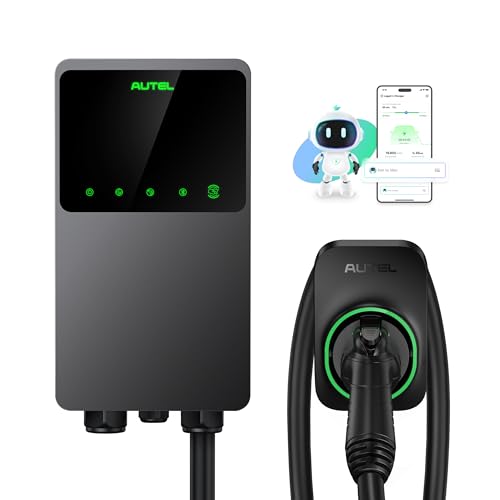
Autel Level 2 EV Charger up to 50Amp Dark Gray

Autel MaxiCharger Level 2 EV Charger up to 80 Amp

EVIQO Level 2 EV Charger NACS 40A NEMA 14-50

EVIQO Level 2 EV Charger NACS 48A
More Details On Our Top Picks
A portable charger makes the most sense when your parking changes from week to week, and this EVDANCE unit is built around that reality. The 25-foot cable gives you some breathing room in a driveway or shared garage, while the dual-voltage setup keeps it useful at both standard home outlets and 240V service.
The honest trade-off is speed. A portable Level 1 and Level 2-style setup usually serves daily commuting and overnight top-offs better than empty-to-full recovery, so you’ll want this for flexibility more than raw pace.
Strong Points
- 25-foot cable helps reach a parked car without moving the outlet side of the setup.
- Dual-voltage support makes it a practical fit for homes with mixed charging needs.
- J1772 compatibility covers a wide range of EVs and plug-in hybrids.
- Portable format suits travel, temporary parking, and backup charging plans.
Things To Consider
- Charging pace depends heavily on the outlet and circuit you use.
- Portable gear usually needs a little more attention to cable storage after each use.
Feature Card
Who It Suits Best
Commuters who need a backup-friendly charger and households with changing parking spots get the most out of it.
Where A Sibling Pick Shines
The EMPORIA Level 2 EV Charger w/ J1772 Connector 48 Amp suits you better when the charger will stay hardwired in one garage and speed matters more than portability.
This EMPORIA setup shifts the conversation from portability to control. A hardwired installation with a whip usually suits a fixed garage more cleanly, and the Wi-Fi connection makes remote scheduling, current management, and usage tracking part of the routine.
That combination matters for households with predictable parking habits or time-of-use utility plans. The trade-off is installation complexity, so you’re looking at a charger that rewards a proper setup rather than casual plug-in use.
Upsides
- 48 amp output gives you a serious step up from basic outlet charging.
- Wi-Fi support helps you manage charging around your own schedule.
- 25-foot cable reaches across a garage without forcing awkward parking angles.
- Hardwired design fits a dedicated home charging spot well.
- White finish keeps the look clean and understated on a wall.
Worth Noting
- Hardwired installation usually calls for an electrician.
- It gives up portability in exchange for a more permanent setup.
At A Glance
Who Should Grab It
Garage-based EV owners who want schedule control and a fixed mounting point will get the clearest payoff here.
Look Elsewhere When
The EVDANCE Level 1&2 EV Charger 25FT Cable fits better for apartments, travel, or any setup that still needs to move with you.
Autel gives this charger a useful middle ground: fixed-wall convenience, J1772 compatibility, and indoor or outdoor placement. That makes it a sensible fit for homes where the charging spot might sit in a garage today and on an exterior wall later.
The separate holster is worth noting because it helps keep the connector tidy between sessions. Nothing flashy, just a cleaner wall setup and less cable clutter around the parking space.
Highlights
- Up to 50 amp output gives you room for brisk home charging.
- Indoor and outdoor placement adds layout flexibility.
- Wi-Fi and Bluetooth support broaden control options around the house.
- Separate holster helps organize the cable and connector.
Small Caveats
- Hardwired installation is less convenient than plug-in models.
- The connected features matter more for owners who plan to use app control regularly.
- Wall-mounted gear needs a fixed spot, so it suits settled parking better than rotating spaces.
Details At A Glance
Right Fit For
Homeowners who want a neat, permanent station with app-friendly control and indoor-outdoor placement options.
Skip It When
The EVIQO Level 2 EV Charger NACS 40A NEMA 14-50 works better for Tesla-style plug-in use and a simpler no-hardwire install.
Among the hardwired choices here, this Autel model pushes the highest ceiling with its 80 amp class output and cloud-linked control. That makes it the closest thing in the list to a serious home station for heavy daily mileage or more than one EV in the household.
The AI-backed scheduling angle matters most for homes watching utility-rate timing, because it gives you more control over when charging happens. The catch is that a system this capable also asks for a more committed install and a bit more attention to settings.
Bright Spots
- High-output design suits households that need stronger overnight recovery.
- Cloud features help you manage sessions and timing from a connected device.
- Indoor and outdoor use broadens placement options.
- Hardwired setup supports a permanent, dedicated charging location.
Areas To Watch
- Higher-capacity hardware usually makes installation more involved.
- The advanced controls are most useful once you learn the app workflow.
Who Will Love This
Multi-driver households and long-commute owners who want the strongest wall-mounted option in this lineup will get the most from it.
A Better Fit Elsewhere
The Autel Level 2 EV Charger up to 50Amp Dark Gray makes more sense for shoppers who want similar control in a slightly less demanding package.
This EVIQO model is the easy-going choice in the NACS group because it uses a NEMA 14-50 plug instead of hardwiring. That makes it friendlier for garages where you want Level 2 charging without committing to a permanent electrical job.
The built-in NACS connector is the headline, since Tesla-style vehicles can plug straight in without an extra adapter. For households centered around that ecosystem, it feels neatly tailored, though non-NACS vehicles still need an adapter on hand.
Reasons To Buy
- Plug-in installation keeps the setup simpler than a hardwired unit.
- NACS connector supports direct use with Tesla-style charge ports.
- 40 amp output gives a solid home charging pace.
- Wall-mounted format keeps the parking area cleaner than a loose portable charger.
Points To Note
- Non-NACS vehicles need an adapter that is not included.
- A plug-in setup still depends on the right outlet and circuit.
The Right Fit
Tesla household garages and anyone who wants a straightforward wall station without hardwiring should start here.
Another Choice May Suit
The EVIQO Level 2 EV Charger NACS 48A is the better match for drivers who want a hardwired setup and a bit more output.
The final EVIQO pick is the stronger-fit upgrade for drivers who want hardwired NACS charging and a longer 25-foot cable. That extra reach matters in wider garages or driveways where a shorter cord would force awkward parking.
Compared with the plug-in EVIQO model, this one trades convenience for a more permanent installation and a little more breathing room at the car. The result feels more settled, almost like a fixture, which suits a dedicated home charging spot.
Best Bits
- Hardwired setup supports a permanent wall-mounted install.
- 48 amp output gives you stronger home charging capacity.
- 25-foot cable helps when the charging point sits far from the vehicle port.
- NACS connector works directly with Tesla-style vehicles.
Minor Gripes
- Hardwiring makes installation less casual than a plug-in unit.
- Non-NACS vehicles still need an adapter.
- Wall-mounted charging favors a consistent parking layout.
Built With In Mind
Tesla owners with a permanent garage setup and enough electrical capacity for a hardwired station will appreciate this most.
Swap It Out When
The EVIQO Level 2 EV Charger NACS 40A NEMA 14-50 is the easier path for garages that still need a plug-in format.
What Matters Before You Choose Level 2 Charging Stations
Connection Type First
J1772 covers most non-Tesla EVs and plug-in hybrids, while NACS suits Tesla-style vehicles and newer NACS-port models. The connector matters more than the finish or wall shape, because the wrong plug turns a good charger into a useless one.
Power And Installation
Higher amp ratings generally serve longer commutes and quicker turnaround, but they also push you toward better electrical support. Plug-in models feel easier to live with, while hardwired units make more sense in a fixed garage with a planned installation.
Length And Layout
Cable reach is easy to overlook until your port sits on the far side of the car. A 25-foot cable gives you more parking freedom, especially in wider driveways or shared spaces.
A Quick Reality Check
Mistakes Worth Dodging
Many shoppers focus on output and forget the vehicle connector or outlet type. Others overlook whether the charger stays in one place or needs to move between homes, which changes the whole use case.
When Paying More Pays Off
Higher-tier models usually buy you more amperage, smarter app control, and sturdier permanent mounting. That upgrade makes sense for long drives, shared garages, or anyone who wants charging to run in the background without much thought.
Closing Thoughts
You now have a clean split between portable flexibility, plug-in convenience, and hardwired speed. Match the charger to your connector, your parking setup, and the way you actually drive, then the choice gets much simpler. For a lot of homes, the right unit is the one that disappears into the routine.
