

Fast home charging changes daily life fast. You get fewer plug-in headaches, less waiting around the garage, and a setup that fits the way you actually park, commute, and top off overnight. The seven picks below cover portable options, hardwired wall stations, J1772 models, and NACS choices for Tesla-style charging.
Quick Look At Our Shortlist

EVDANCE Level 1&2 EV Charger 25FT Cable
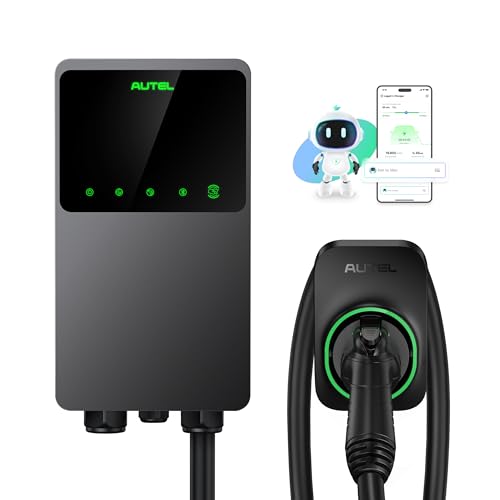
Autel Level 2 EV Charger up to 50Amp

Autel MaxiCharger Level 2 EV Charger up to 80 Amp

EVIQO Level 2 EV Charger NACS 48A

MACH 1 Fast 48 Amp Level 2 EV Charger

Autel MaxiCharger Level 2 EV Charger up to 40Amp

ChargePoint HomeFlex Level 2 EV Charger
More Details On Our Top Picks
EVDANCE makes sense for mixed charging routines, especially for a garage that needs both a wall-friendly backup and a daily plug-in option. The 25-foot cable gives you more reach than many compact cords, so parking angle matters less in a tight driveway.
The dual-voltage setup is the real draw: you can use a standard home outlet for slower top-offs or move up to 240V service for quicker sessions. The trade-off is that portable chargers usually ask more of your outlet and cable management, so it suits organized spaces better than cluttered ones.
Strong Points
- Two charging levels give you more flexibility across homes and road-trip stopovers.
- Long cable reach helps when the charge port sits on the opposite side of the vehicle.
- J1772 compatibility covers a wide range of non-Tesla EVs and plug-in hybrids.
- Portable format works well for garage storage or occasional travel use.
Things To Consider
- Portable charging usually needs more attention to cord coiling and storage.
- The slower outlet mode fits overnight charging better than quick turnarounds.
- Tesla owners need the proper adapter for this setup.
Feature Rundown
Who It Suits Best
Commuters who want a portable, flexible charger with simple home use will get the most from it.
Where A Sibling Pick Shines
Autel MaxiCharger Level 2 EV Charger up to 40Amp is a better fit for you if a fixed wall unit and plug-in convenience matter more than portability.
This Autel model leans into smart home charging without going overboard on footprint. The hardwired design suits permanent garage installs, and the 25-foot cable helps in driveways where the car never lands in exactly the same spot twice.
The Wi-Fi and Bluetooth connection add real utility, not just marketing gloss, because you can manage the charger from your phone instead of walking back out to the garage. The catch is that connected gear usually asks for a little more setup patience, so it fits tech-comfortable households best.
What We Like
- Wi-Fi and Bluetooth support make remote control more practical.
- Hardwired installation keeps the setup clean in a fixed parking space.
- 25-foot cable gives you helpful reach in wider garages.
- J1772 connector keeps it useful for a broad slice of EVs.
Minor Gripes
- Hardwired installs are less flexible than plug-in units.
- Smart features add app setup steps you may not need in a simple garage.
- The darker finish can show dust more clearly in bright spaces.
Core Details
Built With In Mind
Households that want app control and a tidy hardwired charger will get the best fit here.
Look Elsewhere When
EVDANCE Level 1&2 EV Charger 25FT Cable fits you better if you need a portable unit that can move between locations.
This is the heavy hitter in the group, aimed at homes that want more than a basic overnight refill. The AI-linked cloud controls point to a setup that can handle schedule changes, usage data, and remote adjustments without forcing you to stand beside the car.
The 80 amp ceiling is the obvious headline, but the more useful part is the control it gives over charging habits. That can make life easier for drivers with variable utility rates or multiple EVs in the same garage, though the install and electrical demands will be a bigger conversation than with the lower-output Autel unit.
Highlights
- High output supports faster home charging than the 40 amp and 50 amp picks.
- Cloud and AI features help manage charging from a phone.
- Remote start, stop, and current adjustment add day-to-day convenience.
- Indoor and outdoor use gives it broad placement flexibility.
- Energy data and alerts help you stay aware of charging behavior.
Softer Spots
- High-output installs can be more demanding on your electrical setup.
- Smart features are most useful once the app is fully configured.
Who Will Love This
Drivers with long commutes, multiple EVs, or a stronger home electrical setup will appreciate the extra headroom.
Another Choice May Suit
ChargePoint HomeFlex Level 2 EV Charger fits better for you if you want a simpler hardwired Tesla-focused station without the more aggressive output ceiling.
EVIQO is a clean fit for Tesla-style charging at home because it uses NACS directly, so there’s no adapter layer to think about. That simplicity matters in a garage where you want the cable path to feel natural, not improvised.
The 48 amp hardwired format puts it in the practical middle ground, quicker than basic portable units but less demanding than the 80 amp class. In most homes, that balance is easier to live with, especially for owners who want the wall station to stay put and look neat doing it.
Upsides
- NACS connector works directly with Tesla-style ports.
- Hardwired design keeps the installation fixed and tidy.
- 48 amp output gives you strong daily charging capacity.
- 25-foot cable helps reach across a garage or driveway.
Points To Note
- Non-NACS EVs need a separate adapter.
- Hardwired placement is less portable than plug-in models.
- The white wall unit may show scuffs more readily in busy garages.
Right Fit For
Tesla owners or NACS-equipped drivers who want a neat wall-mounted charger will get the most from it.
Swap It Out When
Autel Level 2 EV Charger up to 50Amp makes more sense for mixed-connector households that want Wi-Fi and Bluetooth alongside J1772 support.
MACH 1 stands out because it gives you two installation paths, hardwire or NEMA 14-50, which keeps the decision more flexible than a fixed-only unit like EVIQO. That matters for garages where electrical plans may change later, or where you want a cleaner plug-in setup for a while before committing.
The 30-foot cable is generous, and the included Tesla NACS support broadens its usefulness for mixed households. The trade-off is simple: more flexibility can mean a little more planning up front, especially around where the charger sits and how you’ll route the cord.
Best Bits
- Hardwire or NEMA 14-50 gives you installation flexibility.
- 30-foot cable reaches well across larger parking spaces.
- J1772 and Tesla NACS support widen compatibility.
- Wall-mount format keeps the garage organized.
Areas To Watch
- More options also mean more planning before installation.
- The longer cable needs sensible storage to stay tidy.
- Dual-connector usefulness depends on the adapters and vehicle mix you already have.
Details At A Glance
Made For
Mixed EV households and garage upgrades benefit most from this flexible setup.
Where A Sibling Pick Shines
EVIQO Level 2 EV Charger NACS 48A is the cleaner match for you if Tesla-style native charging matters more than installation flexibility.
Compared with the Wi-Fi Autel above, this one keeps the formula simpler and easier to place. The 40 amp output still gives you solid Level 2 performance, and the NEMA 14-50 plug is friendlier for many garages than a hardwired-only path.
The white finish and flexible 25-foot cable make it feel practical rather than flashy, which is part of the appeal. One thing worth considering is outlet quality, because plug-in chargers depend on a clean, properly matched receptacle and a tidy mounting spot.
Reasons To Buy
- Plug-in design can be easier to set up than hardwired models.
- 25-foot cable helps with awkward parking angles.
- 40 amp output covers most routine home charging needs.
- Indoor and outdoor use widens placement options.
Room For Improvement
- Plug-in units depend heavily on the right outlet and installation quality.
- No built-in Wi-Fi or Bluetooth means fewer connected features.
- The lighter housing may show marks in a busy garage.
Best Suited To
You’ll get the best fit here if you want a simple plug-in charger for routine home use.
Reach For A Different Pick When
Autel Level 2 EV Charger up to 50Amp fits better for you if app control and a hardwired install are higher priorities.
ChargePoint’s HomeFlex leans into a straightforward Tesla-ready home setup, and that clarity has real value in a garage where you want the charging spot to feel permanent. Hardwiring keeps the installation tidy, while the NACS connection avoids the extra adapter step.
It sits closer to the EVIQO idea than the flexible MACH 1 approach, so the appeal is cleaner integration rather than setup variety. For most Tesla households, that’s enough, though mixed-connector garages will probably want a more adaptable unit.
Highlights
- NACS design works directly with Tesla-style charging.
- Hardwired install suits a fixed garage location.
- Brand focus on home charging gives it a familiar use case.
Honest Caveats
- Hardwired setup limits portability.
- Mixed-EV homes may need a different connector strategy.
- Simple design means fewer bells and whistles than app-heavy rivals.
Whose Shelf It Belongs On
Tesla drivers who want a clean, fixed wall charger will feel right at home with this one.
Where Another Pick Suits Better
MACH 1 Fast 48 Amp Level 2 EV Charger fits better for you if you want both hardwire and NEMA 14-50 flexibility in the same unit.
What Matters Most Before Choosing Fastest Level 2 Chargers
Where Shoppers Go Wrong
Output alone does not tell the whole story. Connector type, install style, cable reach, and your home electrical setup matter just as much, especially in garages with awkward parking angles or mixed vehicle use.
Portable models are easier to move, but hardwired units usually feel cleaner once installed. The wrong match is often a setup mismatch, not a charging-speed issue.
The Upgrade Payoff
Higher-tier chargers tend to cost more because they add stronger output, smarter controls, longer cables, and tougher install options. You feel that difference most in busy households, multi-EV garages, and homes that want app control or more flexible mounting.
For simple overnight top-offs, a midrange unit often does enough. Pay up only when the extra speed, wiring style, or smart features will change how you use the charger every week.
Things Worth Knowing First
Common Shopping Slip Ups
Many setups stumble because the connector doesn’t match the car, or the cable is too short for the parking layout. A charger can look fast on paper and still feel awkward in a real garage.
Why Top Tier Costs More
Premium models usually bring higher amperage, smarter app tools, and more flexible mounting or plug options. That extra spend makes sense for households that charge often, share the charger, or want a neater permanent install.
Frequently Asked Questions
What makes a Level 2 charger faster than a standard outlet?
Level 2 charging uses 240V service, which moves much more power than a basic 120V outlet. That usually means shorter charging windows overnight.
Do Tesla drivers need NACS for home charging?
Tesla-style NACS connectors fit native Tesla charging ports and other NACS-equipped vehicles. A J1772 model can still work with the right adapter.
Is a hardwired charger better than a plug-in unit?
Hardwired models usually look cleaner and stay put once installed. Plug-in units are easier to relocate and can be simpler to replace later.
How important is cable length?
It matters a lot in real garages and driveways. A longer cable helps when the charge port sits on the far side of the vehicle or parking is never exact.
Do smart features matter for home charging?
They matter most for people who want scheduling, remote control, or usage data. For simple overnight charging, a basic unit can still do the job well.
Closing Thoughts
The right charger depends less on raw output alone and more on how your garage, vehicle connector, and daily routine line up. Portable flexibility, app control, Tesla-ready NACS support, and longer cables all solve different problems. Pick the one that fits your space first, then let speed be the tie-breaker.
