

You need the right compound when paint has scratches, oxidation, haze, or leftover buffer marks that won’t give up easily. Some formulas are built for heavy correction, others are better for refining gloss after the hard work is done, and a few serve metal or marine surfaces more naturally than car paint. This roundup sorts the field by task, package size, and how much step-by-step work you want to manage.
That matters in a busy garage, at a detail bay, or on a boat that needs a cleaner surface before the season turns. You get a clearer path to the right abrasive strength without wading through vague marketing language.
Quick Look at the Shortlist
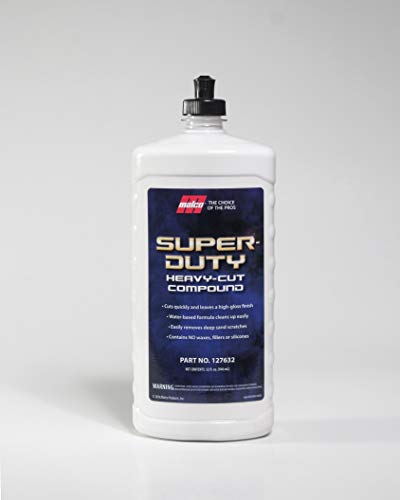
Malco Super Duty Heavy Cut Compound 32 oz.

Malco Tru Grit Heavy Duty Buffing and Polishing Compound 1 Gallon

Meguiar’s Professional M110 Ultra Pro Speed Compound 32oz
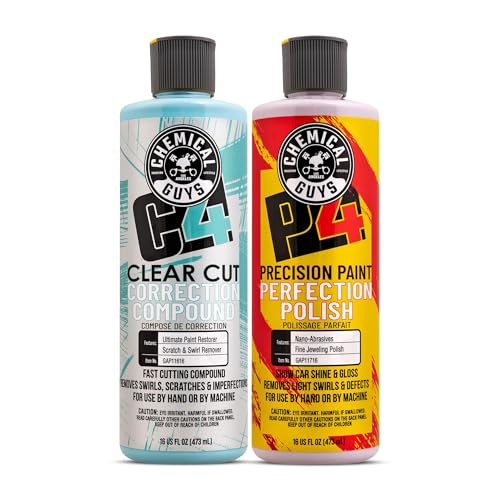
Chemical Guys C4 & P4 Paint Correction Kit 2 x 16 oz

Woodstock D2903 1-Pound Buffing Compound White

6 Pcs Metal Buffing Polishing Compound for Buffing Wheel
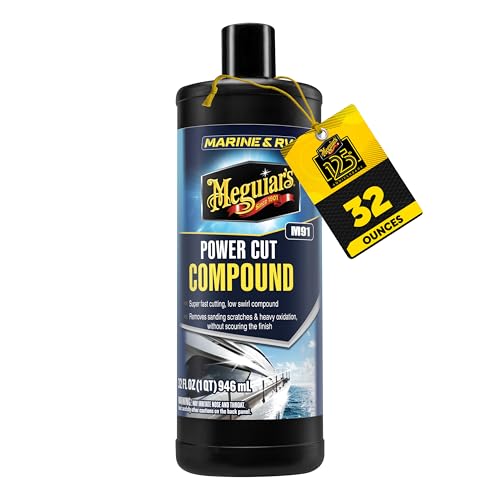
Meguiar’s M91 Marine/RV Power Cut Compound 32oz

menzerna Polishing Set 8 oz HCC1000, MCC2500, 3800
More Details On Our Top Picks
Malco Super Duty leans hard into correction work, so it makes sense on neglected paint, gel coat, or any finish carrying heavy oxidation. That kind of cut matters most on older cars, boats, and work vehicles where light polish just wastes time.
The 32 oz bottle gives you a practical amount for repeated panel work without jumping to gallon size. The trade-off is simple, strong-cut compounds usually need disciplined pad choice and follow-up refinement, so this fits you best when you already plan a second polishing step.
Strong Points
- Heavy-cut action suits deep defect removal on clear coat and gel coat surfaces.
- The 32 oz size works well for multi-panel correction without overcommitting storage space.
- Useful on cars, trucks, boats, and industrial finishes, so the bottle covers more than one job type.
- Strong correction stage support can shorten the time spent chasing stubborn oxidation by hand.
Things To Consider
- Heavy cut compounds usually leave enough haze to justify a follow-up polish.
- It asks for careful pad and machine pairing, especially on softer paint.
- Large correction jobs can use product quickly, so planning ahead helps.
Feature Snapshot
Who Will Love This
You suit this compound best when you handle paint correction on older vehicles, boats, or shop projects and want a strong first-cut product.
Where A Sibling Pick Shines
Meguiar’s Professional M110 Ultra Pro Speed Compound is the better fit for detail work that needs a more pro-oriented speed-and-gloss balance.
Tru Grit feels aimed at repeat correction work, especially in a shop where a gallon makes more sense than swapping smaller bottles. Compared with Malco Super Duty, this one leans into a heavier-duty workflow with a water-based cleanup profile and no wax, silicone, or filler content.
That cleaner ingredient profile matters because it keeps the correction stage more straightforward before you move on to finishing polish. The honest read is that this sort of compound belongs in hands that already know how to manage aggressive abrasives and pad selection.
What We Like
- One-gallon volume suits frequent use in detailing bays or restoration work.
- Diminishing abrasives help the cut transition more smoothly as you work the panel.
- No wax, silicone, or fillers keeps the finish stage easier to judge.
- Water-based cleanup is a practical plus after a long session on multiple panels.
Softer Spots
- The gallon format is less convenient for small garages or occasional use.
- Heavy-duty cut can be more than you need for light cosmetic correction.
- Cleanup is simpler than solvent-heavy options, though you still need proper pad maintenance.
Technical Sheet
Built With In Mind
You fit this compound well when you work in a garage, restoration bay, or fleet setting and want a large bottle with a serious cut profile.
Another Choice May Suit
Woodstock D2903 1-Pound Buffing Compound White makes more sense for simple shop-floor polishing where a bar-format compound is easier to portion.
M110 sits in the space where speed and finish quality need to live together, which is why it appeals to detailing work that can’t afford a sloppy cut stage. Relative to Malco Tru Grit, it sounds less like a brute-force gallon and more like a pro-shop compound tuned for controlled correction and gloss depth.
That balance matters on modern clear coat, especially where you want cut, but not at the expense of the next step. You may find it most useful on vehicles with moderate scratch work and a longer polishing session, because a compound with a long work cycle tends to reward patience.
Highlights
- Strong cut with a focus on speed helps you move through correction faster.
- The 32 oz size is practical for dedicated detail work without moving to bulk packaging.
- Professional-shop positioning makes it a sensible choice for serious paint correction routines.
- Designed to leave a high-gloss result, which can reduce the effort needed in later refinement.
Room For Improvement
- Professional-leaning compounds can feel like overkill for occasional touch-ups.
- The bottle size is manageable, though frequent users may still prefer larger capacity.
- Heavy correction still calls for careful follow-up if you want a cleaner final finish.
At A Glance
Best Suited To
You suit this pick best when you work on paint correction with a machine and want a compound that balances cut and finish depth.
Swap It Out When
menzerna Polishing Set 8 oz HCC1000, MCC2500, 3800 fits better when you want a full three-step system in smaller bottles.
C4 and P4 give you the two-step path in a single kit, so the appeal is clarity more than raw aggression. Compared with the single-compound options above, this one does part of the thinking for you by pairing a cutting stage with a refining polish.
That structure helps when you’re correcting swirls, towel marks, and general haze on clear coat, then want a cleaner gloss without hunting for a second bottle. The trade-off is obvious, it asks for more steps and more time, but the workflow is easier to map out for a weekend garage session.
Best Bits
- Two matching bottles make the correction and refinement stages easier to plan.
- C4 handles defects first, then P4 handles surface refinement for a more polished end result.
- The 16 oz pair is practical for hobby work without taking up much shelf room.
- Safe on clear coat paint, which fits a wide slice of modern vehicles.
Minor Gripes
- The two-step approach takes longer than a single compound pass.
- Each stage needs attention, so the kit suits methodical work more than quick touch-ups.
- Smaller bottle sizes may feel light for high-volume shop use.
Details At A Glance
Right Fit For
You suit this kit best when you want a structured correction routine and prefer seeing each stage laid out in front of you.
Where Another Pick Suits Better
Meguiar’s Professional M110 Ultra Pro Speed Compound fits better for a faster single-compound approach in a pro-style workflow.
Woodstock keeps things simple with a one-pound bar, which is useful in shop settings where you want direct control over how much compound you take up. Unlike the liquid bottles above, this format fits naturally into hands-on bench work and traditional buffing setups.
It suits straightforward finishing jobs more than aggressive paint correction, and that makes sense from the form factor alone. The white color and compact dimensions also make storage easy, though the trade-off is that you’re working with a more old-school style of abrasive finishing product.
Positives
- Bar form gives you measured control during manual or wheel-based buffing.
- Compact size makes it easy to store in a tool drawer or shop cabinet.
- Works as a simple finishing compound for repair and maintenance tasks.
Points To Note
- Bar compounds feel less convenient than liquid formulas for some users.
- It looks better suited to shop use than broad automotive correction work.
- Imported manufacturing may matter to you depending on sourcing preferences.
Core Details
Whose Shelf It Belongs On
You suit this compound best when you prefer traditional bar stock for metalwork, repair tasks, or small workshop finishing jobs.
Look Elsewhere When
6 Pcs Metal Buffing Polishing Compound for Buffing Wheel fits better for color-coded metal finishing steps and a broader grit sequence.
This six-piece set makes the most sense when you want a stepped polishing workflow for metal instead of a single general-purpose compound. Compared with Woodstock D2903, it’s less about one block and more about matching color-coded compounds to coarse, medium, and finer stages.
That structure helps on stainless steel, jewelry, and aluminum, where finish quality can depend on moving through the grades in order. You may find the variety useful in a small shop, though the set asks for a bit more organization because each color has its own role.
Bright Spots
- Six compounds cover a clearer coarse-to-fine progression.
- Color coding makes it easier to keep each grit stage straight.
- Useful across stainless steel, jewelry, and aluminum projects.
- Good fit for wheel-based polishing setups that need several compound stages.
Areas To Watch
- You need to keep the bars organized so stage order stays clear.
- Metal-focused compounds are less relevant for paint correction work.
- The set format can feel more involved than a single-bottle approach.
Feature Rundown
Made For
You suit this set best when your work revolves around metal polishing and you want a clearer step-by-step compound ladder.
A Better Fit Elsewhere
Malco Tru Grit Heavy Duty Buffing and Polishing Compound 1 Gallon is better for large-volume paint correction and broader shop use.
M91 is tuned for the kind of wear boats and RVs collect after real use, so it speaks directly to gel coat maintenance rather than standard car paint alone. Compared with the Malco compounds, this one feels more purpose-built for recreational vehicles that spend time in sun, water, and storage cycles.
That use-case focus helps when you want a cut compound that can clear blemishes and reduce swirls without feeling generic. The trade-off is specialization, because you’re choosing a marine and RV formula instead of a broad all-surface option.
Upsides
- Designed around marine and RV surfaces, which gives it a clearer role than a general compound.
- The 32 oz bottle works well for seasonal maintenance and repeated spot correction.
- Helps tidy blemishes and swirl marks on gel coat surfaces.
Small Caveats
- Specialized focus makes it less useful for pure automotive correction work.
- Like most cut compounds, it still calls for follow-up refinement on many surfaces.
- Best results depend on matching the compound to the right pad and machine speed.
Quick Facts
The Right Fit
You suit this compound best when you maintain boats, campers, or other large outdoor vehicles with gel coat surfaces.
Reach For A Different Pick When
Chemical Guys C4 & P4 Paint Correction Kit 2 x 16 oz fits better for a complete two-step paint correction routine on cars.
menzerna takes a structured route with three 8 oz bottles, so you get a stepwise correction path instead of a single heavy-cut bottle. Compared with the Chemical Guys kit, this set leans into separate compounds for scratch removal, intermediate correction, and final gloss, which is useful when you want tighter control over each pass.
That control tends to help on finishes where the last layer of gloss matters as much as the defect removal. The small bottles also make the set easier to store and handle, though the trade-off is that you’ll work through product faster on large vehicles.
Reasons To Buy
- Three-stage layout gives you a clear sequence from correction to finish work.
- 8 oz bottles keep each step compact and easy to manage.
- Useful for tackling scratches, swirl marks, and final gloss in one system.
- Good fit for detail work where you want a more deliberate process.
Honest Caveats
- Smaller bottles are less efficient for very large correction projects.
- The three-step routine takes more time than a single compound.
- You need space and organization to keep the sequence straight during use.
Feature Card
Perfect Match For
You suit this set best when you want a controlled three-stage process and don’t mind trading speed for finish precision.
Skip It When
Meguiar’s Professional M110 Ultra Pro Speed Compound is the better fit for faster single-stage correction in a pro detailing setting.
How To Choose The Right Buffing Compounds
Match Cut Strength To The Surface
Cut strength is the first thing to sort out. A heavy-cut compound attacks deeper scratches, oxidation, and sanding marks, while a finishing compound is meant to clear haze and restore gloss after the rough work is done.
On softer paint, a very aggressive formula can create more cleanup work than you wanted. That’s why a moderate compound often makes more sense for newer cars, while older clear coat, gel coat, or marred metal can justify a stronger abrasive stage.
Pick The Format That Fits Your Workflow
Liquid bottles are easier for most garage routines because they spread quickly and store neatly on a shelf. Bar compounds and multi-piece metal sets make more sense when you already use wheels, pads, or bench tools and prefer direct control over each stage.
Volume matters too. A 32 oz bottle suits regular home detailing, while a gallon belongs in heavier-use settings where you’re moving through more panels and don’t want to keep replacing containers.
Think In Stages, Not Just Product Names
Some compounds are single-step tools, and others are really part of a sequence. A two-step kit like C4 and P4 gives you correction and refinement in one box, while a three-stage set such as menzerna helps you separate cut, polish, and final gloss with more precision.
That structure helps when you care about finish quality as much as defect removal. It also adds time, so the extra steps make more sense for detail projects than for quick maintenance.
Match The Formula To The Job
Marine and RV surfaces usually benefit from products built around gel coat and outdoor wear, while automotive compounds are aimed more directly at painted panels. Metal polishing compounds belong in a different lane entirely, especially when you’re working stainless steel, aluminum, or jewelry.
That distinction keeps you from forcing the wrong product into the wrong job. A compound that suits one surface can feel awkward on another, even when the packaging sounds broadly similar.
What To Weigh Before You Commit
Mistakes Worth Dodging
A common miss is choosing a very aggressive compound for light blemishes. That usually creates extra haze and pushes you into more polishing than necessary.
Another mistake is ignoring the surface type. A marine formula, a paint correction kit, and a metal buffing set all solve different problems, so the label should match the material under the pad.
Why Top Tier Costs More
Higher-tier compounds usually cost more because they’re built for tighter abrasive control, longer work windows, or a multi-step system that separates correction from finishing. You’re paying for more deliberate chemistry, not just a bigger bottle.
The upgrade makes sense when the finish matters a lot, the vehicle sees regular correction work, or you want less guesswork between stages. For occasional touch-ups, a simpler bottle is often enough and easier to keep on hand.
Closing Thoughts
You get the best result when the compound matches the surface, the amount of correction you need, and the time you want to spend on follow-up work. Heavy-cut formulas belong in serious correction jobs, while kit-based systems make more sense when you want a cleaner path from rough paint to final gloss. Metal and marine options fill their own lanes, and that separation matters more than most packaging claims suggest. Choose the format that fits how you actually work, and the rest gets easier.
