

Buffer polishers earn their keep when paint needs correction, wax needs an even hand, or a boat hull needs steady coverage without the fatigue of hand work. The right machine depends on how often you detail, how much control you want, and whether corded power or cordless freedom matters more in your garage or driveway. Some of the picks here lean toward heavy bodywork, while others make more sense for tight trim, smaller jobs, or first-time detailing. You get a clearer match when you look past wattage and into handle design, speed range, and pad support.
The Shortlist At A Glance

DEWALT Variable Speed Polisher DWP849

GEVEELIFE Buffer Polisher 1600W

AVID POWER Car Rotary Buffer Polisher Waxer 1200W

AVID POWER Car Rotary Buffer Polisher Waxer 1200W 6 Speeds

THINKWORK Buffer Polisher 20V Cordless
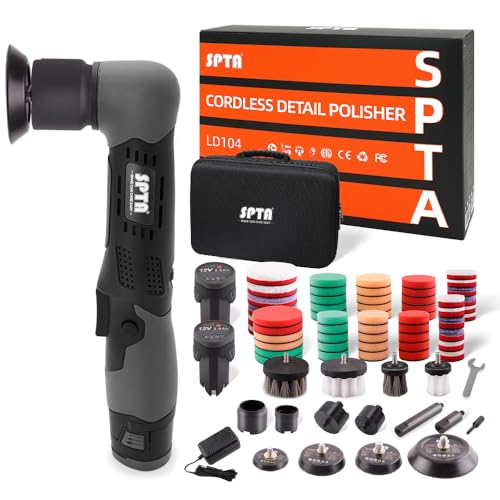
SPTA Cordless Mini Polisher 12V

Cordless Car Buffer Polisher kit 2x 21V Batteries
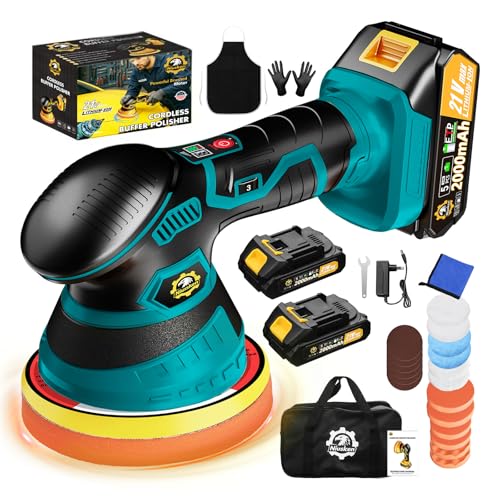
Cordless Car Buffer Polisher kit 2x 21V Batteries
More Details On Our Top Picks
Wide-pad polishing asks for steady control, and that’s where the DEWALT DWP849 makes sense. The 2-position side handle helps you brace the tool more comfortably across flatter panels, which matters on hoods, doors, and larger boatsides.
The 7 to 9-inch backing-pad range suits broad surfaces better than the compact tools later in this list. The honest trade-off is weight and size, so tight trim work takes more effort, but you get a machine built for coverage rather than finesse.
Strong Points
- Variable speed gives you room to slow down for finishing passes and speed up for heavier correction.
- The side handle adds control during long sessions, which helps reduce wrist strain on large panels.
- The backing pad size suits broad paintwork, so you spend less time covering the same area.
Small Caveats
- The larger body is less nimble around mirrors, badges, and tight curves.
- Its size asks for more storage space than the cordless picks later in the roundup.
Feature Snapshot
Who Should Grab It
Garage detailers working on full-size vehicles, trucks, or boats get the most value here.
Reach For A Different Pick When
THINKWORK Buffer Polisher 20V Cordless suits you better for driveway work where cord management matters more than pad reach.
GEVEELIFE leans harder into power than the DEWALT pick above, and the 1600W motor gives it a more aggressive feel for correction-heavy work. The 6-inch and 7-inch format keeps it in the sweet spot for car panels, boats, and similar surfaces where you still want respectable coverage.
The 7-speed range and 1000 to 3500 RPM span give you more control over finish quality and product application. That broader ceiling is useful for experienced hands, though the rotary setup still asks for a careful touch on delicate paint.
Highlights
- 1600W output gives you plenty of headroom for oxidation, scuffs, and heavier polishing jobs.
- Seven speed settings help you match pace to wax, polish, or more assertive correction work.
- The detachable handle is useful for changing grip positions during longer sessions.
- Its size sits between the large DEWALT and the more compact AVID POWER picks.
Areas To Watch
- Rotary polishers move more directly than random-orbital tools, so control matters more on thin finishes.
- The stronger motor can feel like more machine than casual weekend users need.
Technical Sheet
Built With In Mind
Detailers who want a stronger rotary tool for cars, boats, and sanding prep will feel at home here.
A Better Fit Elsewhere
SPTA Cordless Mini Polisher 12V suits you better for emblems, trim edges, and other small-area work that a larger rotary machine handles less gracefully.
Compared with GEVEELIFE’s stronger 1600W setup, this AVID POWER model settles into a more middle-ground role. The 1200W motor still gives you enough muscle for routine car detailing, while the 6-speed layout keeps the learning curve less intimidating for newer polishers.
The included 6 and 7-inch backing plates make it easier to shift from tighter passes to broader coverage. For most garage jobs, that range feels practical rather than flashy, which is often the right balance for a tool you’ll pull out more than once a season.
What We Like
- The 1200W motor gives you steady rotary output without pushing the tool into overly aggressive territory.
- Six speed settings make it easier to stay in control while waxing, polishing, or sanding prep areas.
- The included pads reduce the need to source accessories separately.
- Its pad sizing gives you flexibility without moving into the bulky feel of the DEWALT unit.
Worth Noting
- Rotary motion still asks for careful pressure and movement, especially on fresh paint.
- The corded format keeps you tied to an outlet during use.
At A Glance
Best Suited To
You get the most from this pick when you want a straightforward rotary machine for regular car care and light restoration.
Where A Sibling Pick Shines
AVID POWER Car Rotary Buffer Polisher Waxer 1200W 6 Speeds with the 4 by 6 inch pad set fits you better for paint jobs and accessory-heavy work.
This AVID POWER version looks a lot like the previous one at first glance, but the included 4 by 6-inch pad set shifts it toward more hands-on prep work. That matters in a busy garage, where sanding papers and a wool bonnet save you from assembling a pile of extras before starting.
It keeps the same 1200W motor and 6-speed range, so the behavior should feel familiar if you already like the brand’s rotary format. The trade-off is that the accessory stack makes sense for more involved jobs, while casual wax-only users may not need everything in the box.
Reasons To Buy
- The extra pads and sanding pieces expand the tool’s use beyond simple waxing.
- The wool bonnet is useful for finishing steps on larger panels.
- Six speeds let you slow the tool down for more controlled passes.
- The 1200W motor keeps it in the same practical power band as the earlier AVID POWER pick.
Trade Offs
- The accessory set adds setup and storage clutter compared with simpler kits.
- It still requires the same careful rotary technique, so it’s not a casual grab-and-go tool.
Core Details
Whose Shelf It Belongs On
You’ll appreciate this version most in a garage where paint prep, polishing, and finishing all happen under one roof.
Skip It When
GEVEELIFE Buffer Polisher 1600W is the better route for you when raw rotary output matters more than bundled accessories.
THINKWORK changes the pace completely because it cuts the cord out of the workflow. That makes it easier to move around a driveway, a trailer, or a boat without dragging an extension lead behind you, and the dual 2Ah batteries are a real convenience for longer sessions.
The 10-inch format and double-handle layout tilt it toward broad, stable passes rather than tight detailing. You may find it especially useful for weekend maintenance on larger vehicles, though the battery-first design means you need to stay aware of runtime and charging habits.
Bright Spots
- Cordless operation gives you cleaner movement around parked vehicles and outdoor work areas.
- Two batteries help you keep moving while one is in use or charging.
- The double handle improves control on wider panels.
- The 10-inch working format suits broad waxing sessions and general polish maintenance.
Points To Note
- You need to watch battery charge levels, especially during longer detailing days.
- The larger body is not as nimble as the mini SPTA unit for trim and badge work.
Details At A Glance
Made For
You get the best fit here when you detail outdoors, move between multiple vehicles, or just prefer cordless handling.
Another Choice May Suit
DEWALT Variable Speed Polisher DWP849 is the stronger match for you when corded power and a larger pad range matter more than battery freedom.
SPTA goes where bigger polishers start to feel awkward. The mini format is a strong fit for emblems, body lines, small panels, and other places where a full-size rotary tool can feel like using a paint roller in a hallway.
Its cordless 12V setup keeps the tool portable, and the RO/DA design gives you more flexibility than a straight rotary machine. For light correction and cleanup around detailed trim, that mix is practical, though it won’t replace a larger buffer for broad panel work.
Standout Traits
- The small body makes precision work easier around emblems and tight contours.
- Cordless handling keeps the tool simple to move around the car.
- RO/DA action offers a gentler feel than a pure rotary machine.
- The included pad types give you a ready starting point for polishing and cleaning.
Minor Gripes
- Small tools can take longer across large flat panels.
- Mini machines usually ask for more passes, so patience matters.
- Storage is easy, but accessory organization still helps keep the kit tidy.
Quick Facts
Perfect Match For
Detailers who spend time on trim, emblems, and smaller repair spots will get the most out of this compact tool.
Look Elsewhere When
AVID POWER Car Rotary Buffer Polisher Waxer 1200W 6 Speeds is a better fit for you when broad rotary coverage matters more than pinpoint control.
This cordless DA pick sits between the heavier rotary machines and the mini-detail tool. Its 21V battery setup and random orbital motion make it a sensible middle ground for owners who want calmer paint work without giving up portability.
The LED display is a useful touch because it gives you a quick read on settings while you work. Combined with the 18-piece pad set, it feels ready for routine upkeep, though the broader cordless body still asks for some space around the panel.
Positives
- Random orbital motion is a friendlier fit for routine paint maintenance.
- Two 21V batteries make the cordless setup more practical for longer sessions.
- The LED display helps you keep track of settings at a glance.
- Eighteen pads give you a broad accessory spread for different detailing stages.
- The kit format reduces the need to gather extras before you start.
Points To Note
- The battery system is specific to this line, so cross-brand pack sharing is limited.
- The larger cordless body is not the easiest choice for tight trim work.
Feature Rundown
Right Fit For
You’ll get the most from this model as a do-it-all cordless option for car care at home.
Swap It Out When
SPTA Cordless Mini Polisher 12V is the better choice for you when precision around trim and body lines matters more than all-around coverage.
The blue version gives you the same cordless DA layout as the yellow kit, so the real difference here is mostly the finish and the fit on your shelf. That makes it a neat match for someone who likes the same 21V platform but prefers a different look for the garage setup.
Because the tool set mirrors the other Niusken entry, the value story stays centered on portability, dual batteries, and the LED display. The practical read is simple, it suits the same kind of weekend detailing work, just with a different color path.
Bright Spots
- Dual 21V batteries support cordless use across home detailing sessions.
- The LED display gives a clear read on operating settings.
- The random orbital setup is well suited to routine paint care.
- Its blue finish distinguishes it from the yellow sibling without changing the tool’s core layout.
Honest Caveats
- The battery platform remains brand-specific, so accessories need to match this system.
- The cordless body is still larger than a mini polisher, so fine-detail work takes a steadier hand.
Core Details
The Right Fit
You’ll like this one most if you want the same cordless DA setup as the yellow version and prefer the blue finish.
Another Choice May Suit
Cordless Car Buffer Polisher kit 2x 21V Batteries Yellow is the easier pick for you when you want the same platform with a brighter, more visible finish.
How To Choose The Right Buffer Polishers
Match The Motion To The Job
Rotary polishers move directly, so they suit heavier correction, oxidation removal, and bigger panels where control comes from your hand and the pad, not from the machine softening the motion. Random orbital models move in a more forgiving pattern, which helps on routine maintenance and light finishing. Mini tools fill the gap for emblems, body lines, and tight corners where a large head just gets in the way.
The motion choice matters more than the marketing language around it. A 1600W rotary machine like GEVEELIFE behaves very differently from the cordless DA kits, even before you look at pads or battery size. Pick the action that matches the paint, the surface size, and your comfort level.
Think About Power Source And Reach
Corded units bring steady runtime and suit garage work near an outlet. That’s a strong match for DEWALT, GEVEELIFE, and the AVID POWER rotary models, especially for full-panel sessions or boat work on a dock with power nearby. Cordless picks remove the extension-cord hassle, which helps a lot in a driveway, storage bay, or outdoor wash area.
Battery tools trade that freedom for runtime planning. THINKWORK and the two Niusken kits are easier to move around, but they ask for charging discipline and occasional pauses. For long sessions, two batteries matter more than a flashy display or extra pads.
Use Size And Accessories As A Clue
Pad diameter tells you a lot about fit. Larger backing plates cover more paint quickly, which helps on hoods, doors, and other broad panels, while smaller tools like SPTA are built for trim, emblems, and repair spots. Accessory bundles also change the real value, since sanding papers, wool bonnets, and multiple pads can save setup time.
The trade-off is clutter and learning curve. A fuller kit gives you more ways to work, but it also asks you to store, clean, and sort more pieces after use. For occasional detailing, a simpler machine can be easier to live with than a box full of extras you won’t touch often.
Balance Comfort With Control
Handle design matters in real use. A side handle or double-handle layout helps steady the tool on long passes, especially if you work on trucks, boats, or large SUVs. A lighter compact model can be easier on the arms, but the grip geometry still decides whether the tool feels planted or twitchy.
Look at your usual session length, too. A machine that feels fine for ten minutes can become tiring over a full afternoon, particularly with heavier rotary units. The best fit is the tool that matches your surface area, your workspace, and how much correction you actually do.
What To Weigh Before You Choose
Mistakes Worth Dodging
Plenty of shoppers focus on wattage alone, then end up with a machine that’s awkward for the surfaces they actually maintain. A large rotary buffer can be excellent on a hood and a poor match for badges or narrow trim, while a mini polisher can feel underpowered on broad panels.
Another common miss is ignoring the setup around the tool. Cord length, battery runtime, and pad availability all affect how smoothly the job goes. A good buffer that fights your workspace becomes a chore fast.
Where The Extra Money Goes
Higher-tier models often pay for stronger motors, better speed control, more comfortable grip layouts, or a fuller accessory kit. In this category, that can mean less vibration, better long-session control, and fewer add-on purchases after the box arrives. Those details matter most when you work on several vehicles or tackle correction work often.
The upgrade is worth it when you value consistency and comfort over a bare-bones setup. For occasional waxing on one car, a simpler pick usually makes more sense. For frequent detailing, the smoother handling and broader kit can feel worth the stretch.
Closing Thoughts
You have a strong range of buffer polishers here, from big corded rotary machines to compact cordless tools and beginner-friendlier DA kits. The right choice depends on the surfaces you touch most, the power source you want to live with, and how much control you need around trim and body lines. DEWALT and GEVEELIFE suit bigger correction jobs, while THINKWORK and the Niusken kits make more sense for cordless convenience. Pick the one that fits the way you actually detail, not the one with the loudest spec list.
