

Brake cleaning is messy work, and the right gallon-size product saves time when you’re handling rotors, calipers, pads, or bulk service jobs. You also want a formula that matches your space, local rules, and the kind of cleanup you do most often, whether that’s a home garage, fleet bay, or high-volume repair bench. The list below focuses on large-format options and related brake fluid where it fits the job. You’ll see clear trade-offs, not inflated claims.
Quick Look At The Shortlist
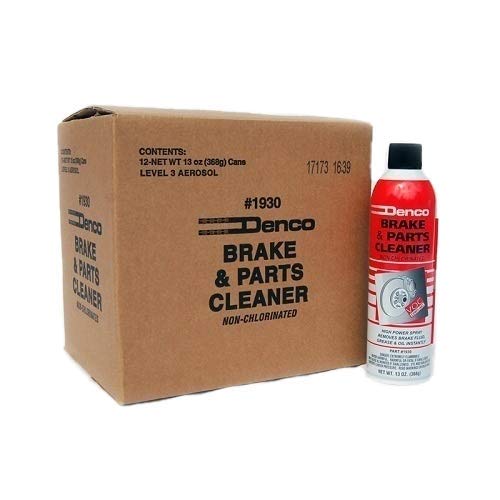
Denco 1930 Brake & Parts Cleaner 13oz 12-Pack

Johnsen’s 5034 Premium Synthetic DOT-4 Brake Fluid 1 Gallon

CRC Brakleen Non-Chlorinated Brake Parts Cleaner 1 Gal 05051

Aerosol CRC 05084 BRAKLEEN Brake Parts Cleaner 2 Pack
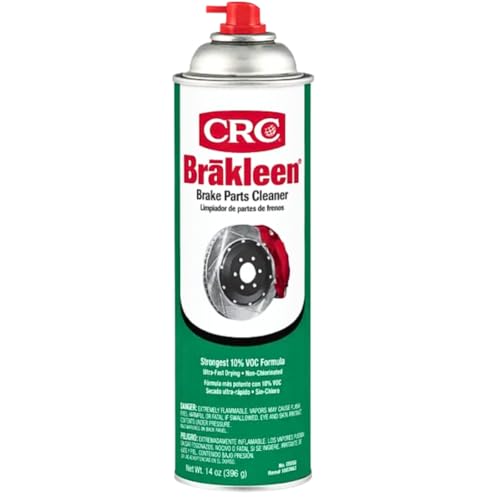
CRC Brakleen 05050 Brake Parts Cleaner PowerJet

Brakleen Brake Parts Cleaners 20oz Set of 12

Denco 1930-50 Brake Cleaner 50-State 13oz 96-Pack

CRC 05084 BRAKLEEN Brake Parts Cleaner 14 Wt Oz 6 Pack
More Details On Our Top Picks
Denco’s 13-ounce can suits the kind of cleanup that follows a brake job, not a single quick wipe. The non-chlorinated formula, low odor, and fast-drying profile make sense in a closed garage, and the high-pressure spray helps reach calipers, pads, and rotor edges without much fuss.
The trade-off is simple, this is a spray-can format, so you’re buying convenience rather than bulk economy. For mixed home use, though, that’s often enough, especially compared with the gallon jug options later in the list.
Strong Points
- Non-chlorinated chemistry fits many garage routines.
- Low odor is easier to live with indoors.
- Fast drying helps parts move back into service sooner.
- High-pressure spray reaches awkward brake surfaces well.
- 12-can pack gives you steady shelf supply.
Areas To Watch
- Spray cans are less economical than a gallon jug for repeated shop work.
- The pack size takes more storage room than a single container.
- Nothing in the listing points to a refillable system.
Feature Snapshot
Who It Suits Best
You get the most from this pick in a home garage or light repair setup where low odor and quick spray access matter more than bulk volume.
A Better Fit Elsewhere
CRC Brakleen 05050 Brake Parts Cleaner PowerJet suits a faster-moving shop better, especially for technicians who want a stronger spray pattern from a single can.
This one changes the angle, because it’s brake fluid rather than cleaner, and that matters for shoppers doing full brake service instead of simple parts washing. The synthetic DOT-4 formula is aimed at disc, drum, and ABS systems, so a garage that services several vehicle types can keep one gallon on hand for routine flush work.
The additive package is described as helping with moisture absorption and vapor lock, which are fluid-management concerns in braking systems. That sounds technical, but the ownership takeaway is plain, you’re getting a fluid built for longer service intervals and broader compatibility than a narrow-use bottle.
What We Like
- One gallon format suits repeated flush jobs.
- DOT-4 labeling fits many modern brake systems.
- Works across disc, drum, and ABS applications.
- Synthetic blend gives it a more modern service profile.
Trade Offs
- Brake fluid is a different purchase from brake cleaner, so the use case needs to match.
- The large jug is less handy for small top-off jobs.
- Stored fluid still needs careful handling and a clean cap seal.
Core Details
Made For
This suits you best if your work includes full brake-fluid service, especially in a garage that sees several vehicle styles and values a gallon container over small bottles.
Another Choice May Suit
CRC Brakleen Non-Chlorinated Brake Parts Cleaner 1 Gal 05051 is the better match for anyone focused on washing grime from hardware rather than servicing hydraulic fluid.
The gallon bottle pushes this CRC formula into real shop territory. It’s set up for repeated use on brake fluid, grease, oil, and road film, so fleet bays and busy garages get more value from the larger container than from a stack of small cans.
Because it’s non-chlorinated, it lines up with shops that avoid chlorine-based solvents, but the trade-off is that any brake cleaner still demands careful storage and sensible ventilation. Compared with Denco’s can packs, this one is better when volume matters more than grab-and-go convenience.
Highlights
- One-gallon capacity supports high-use work.
- Cleans brake parts, linings, calipers, and drums.
- Non-chlorinated formula suits many shop rules.
- Handles grease and brake fluid in one product.
Worth Noting
- The gallon format is bulky on a crowded bench.
- Large containers need tighter cap discipline after each use.
- It’s a cleaner, not a fluid, so the job type has to match.
Details At A Glance
The Right Fit
You’ll like this most in a garage that needs one cleaner for frequent brake work and prefers fewer can changes during the week.
Where Another Pick Suits Better
Denco 1930 Brake & Parts Cleaner 13oz 12-Pack is easier to stash for lighter home use, especially when you want smaller containers instead of a gallon jug.
This pack leans toward compliance-minded garages, since the listing calls out a chlorine-free formula and a two-can format. That combination makes sense for shops that want something straightforward for brake linings and pads without moving up to a gallon container right away.
The caution is availability wording, because the listing notes restrictions tied to California and Catalina Island. In practical terms, that means you should confirm it matches your location before you build it into a work routine, which is a little less convenient than Denco’s more broadly framed 12-pack.
Best Bits
- Chlorine-free formula fits many policy-driven shops.
- Two-pack format keeps the first purchase simple.
- Targets brake linings and pads directly.
- Aerosol form stays easy to handle on the bench.
Points To Note
- Location restrictions can complicate ordering.
- Two cans give less shelf depth than larger multi-packs.
- Aerosol use creates more empty can handling over time.
Feature Rundown
Whose Shelf It Belongs On
This works well for a shop or home garage that wants a straightforward chlorine-free cleaner in a modest quantity.
Swap It Out When
CRC Brakleen 05050 Brake Parts Cleaner PowerJet is a stronger fit for faster-paced work, especially when a more forceful spray pattern matters.
PowerJet is the clue here, and it matters because spray strength changes how brake dust and oily residue leave the part. In a fast-moving service bay, a stronger stream can reduce fuss around calipers, housings, and stubborn grime, which is why this CRC bottle sits above simpler aerosol options.
The bottle is still a cleaner, so it’s built around cleanup rather than fluid service. One small downside is packaging bulk, since the bottle dimensions are more bench-friendly than a jug but still not as compact as a single can.
Reasons To Buy
- PowerJet spray suits stubborn residue.
- Low-VOC formula aligns with many shop preferences.
- Leaves little behind after application.
- Good fit for repeated brake-part cleaning.
Softer Spots
- The bottle still needs dry, orderly storage.
- It’s built for cleaning tasks, not hydraulic service.
- Larger bottles can be awkward on crowded shelves.
Core Details
Best Suited To
You should look here for frequent brake cleaning in a garage that values a stronger spray and does not need fluid-service coverage.
Look Elsewhere When
Johnsen’s 5034 Premium Synthetic DOT-4 Brake Fluid 1 Gallon makes more sense for a shop focused on hydraulic fluid service rather than parts cleaning.
The 20-ounce can lands in a useful middle zone, bigger than a small maintenance aerosol but easier to handle than a gallon jug. For general brake jobs, that can be a comfortable balance, especially in a garage where you want repeat supply without committing to industrial volumes.
There’s a practical catch, though, because the listing warns about California and New Jersey shipment limits. That makes it less universal than the 50-state CRC options in this roundup, even though the set of 12 gives plenty of shelf backup.
Positives
- 20-ounce size lands between tiny cans and bulk containers.
- Set of 12 supports regular maintenance routines.
- Good for garages that want steady can access.
- Mid-size format is easier to store than a gallon jug.
Small Caveats
- Shipment limits reduce its universal appeal.
- The set format takes more cabinet room than a single jug.
- Can stock still creates disposal chores over time.
Technical Sheet
Who Should Grab It
This suits you best when you want a familiar brake cleaner in a mid-size spray can with enough quantity for repeat use.
Where A Sibling Pick Shines
Denco 1930-50 Brake Cleaner 50-State 13oz 96-Pack is the stronger fit for a higher-volume shop that needs a larger case count and smaller can size.
This Denco case is aimed squarely at high-volume use, and the 96-pack count makes that obvious. The 13-ounce can size keeps each unit manageable, while the non-chlorinated and 50-state wording signals a cleaner that’s built for broad shop compliance.
Compared with the smaller Denco 12-pack, this version is the inventory-minded choice, not the casual garage pick. The honest read is that you should only go this large when you know brake cleaning is a regular part of the workweek, because storage and rotation matter at this scale.
Upsides
- 96 cans suit very busy service operations.
- 13-ounce format stays easy to handle.
- 50-state wording broadens the practical fit.
- Non-chlorinated formula matches many shop policies.
- Better stocking depth than smaller multi-packs.
Room For Improvement
- Huge case count only makes sense for regular use.
- Storage space becomes a real concern.
- Less convenient than a smaller pack for occasional jobs.
Feature Card
Built With In Mind
You should look at this case if your garage, fleet bay, or service counter burns through cleaner constantly and wants fewer restock runs.
Reach For A Different Pick When
Denco 1930 Brake & Parts Cleaner 13oz 12-Pack is the lighter-touch option for home mechanics who don’t need such a large reserve.
This six-pack keeps things compact without feeling too small for repeat use. The 14-wt-oz can size gives you a little more per can than the smaller options, which is handy for a garage shelf that needs tidy storage and a moderate supply.
The listing gives very little beyond the pack size and the non-chlorinated label, so the fit here depends more on format than on feature depth. That makes it a sensible pick for someone who already knows the CRC line and wants a simple, space-aware restock.
Positives
- Six-can set stays easy to store.
- 14-wt-oz format gives a modest step up in capacity.
- Non-chlorinated label suits many garage preferences.
Things To Consider
- Listing detail is thinner than several other picks here.
- Not built for very high-volume shop turnover.
- Pack size may still feel small for fleet work.
Quick Facts
Right Fit
This suits a compact garage setup that wants a manageable six-pack instead of a large case.
Skip It When
CRC Brakleen Non-Chlorinated Brake Parts Cleaner 1 Gal 05051 is the better choice for heavier shop use and broader bulk coverage.
How To Choose The Right Brake Cleaner Gallons
Match The Container To The Job
Gallons make sense when you clean brake parts often, service multiple vehicles, or keep a workbench stocked for the week. Smaller aerosol packs still have a place, but they disappear fast in a busy garage, while a gallon bottle is closer to shop supply than weekend convenience.
Container size also changes handling. A gallon jug is efficient on paper, yet a spray can is easier to aim into tight caliper spaces and less awkward to store in a crowded cabinet.
Read The Formula Type Closely
Non-chlorinated cleaner is the common choice in this roundup, and that label matters because it tells you what kind of solvent base you’re bringing into the workspace. For many garages, that becomes the first filter before pack size or spray style.
Brake fluid is a separate category, so don’t mix the two in your head. Johnsen’s DOT-4 fluid belongs in hydraulic service, while the CRC and Denco cleaners are for removing grime from hardware.
Think About Storage And Workflow
A gallon jug saves restock runs, but it also asks for cleaner shelves, a secure cap, and a place away from clutter. In a small garage, that can matter more than spray strength because messy storage often slows down the next job.
Shop rhythm matters too. If you’re doing repeat pad and rotor work, a bulk container or high-count case keeps the bench moving; for occasional brake service, a smaller pack usually feels less cumbersome.
Check Restrictions Before You Commit
Some listings include location limits, and that’s not a small note. It affects whether the product can actually fit your address, your workshop, or a broader service route.
That’s one reason the 50-state wording on several CRC and Denco items stands out. It gives you a cleaner path through purchasing, especially when you’re stocking for more than one vehicle or one garage.
Things Worth Knowing First
Common Shopping Slip Ups
One frequent mistake is confusing brake cleaner with brake fluid. The names can sit close on a results page, but the use cases do not overlap, and that can lead to the wrong can or jug in the cart.
Another slip-up is overlooking local restrictions. A multi-pack looks neat until the listing language blocks shipment to your area, so checking those notes up front saves a mess later.
What The Higher Tier Buys
More expensive options in this category often pay for stronger spray delivery, larger pack counts, or broader compliance wording. Those details matter because they change how fast the cleaner moves through a job and how often you restock the shelf.
Higher-tier picks also tend to suit more active workspaces. A fleet bay or shared garage benefits more from better spray control and bulk quantity than a weekend tool shelf does.
Closing Thoughts
For brake cleaning, the right gallon-size choice depends on how often you work, how much shelf space you have, and whether you need cleaner or fluid. Denco and CRC cover the cleaner side from compact packs to heavy-duty cases, while Johnsen’s fills the fluid-service lane with a DOT-4 gallon. Match the container to your routine, not the other way around. That keeps the purchase useful long after the first job is done.
