

Bottom paint matters most when your boat sits in water long enough for growth, grime, or wear to start working against the hull. The right choice depends on where you run, how often you haul out, and whether you need a hard coating, a softer ablative layer, or a primer that sits underneath the rest of the system.
This roundup focuses on practical fit, not flashy claims. You’ll find cleaner, bilge coating, solvent, antifouling paint, nonskid deck coating, and barrier primer options, each suited to a different part of a boat’s maintenance routine.
Quick Look At The Shortlist

STAR BRITE Instant Hull Cleaner 32 Oz Gel Spray

TotalBoat TotalBilge Marine Epoxy Bilge Paint White Quart

TotalBoat Thinner 100 Brushing Solvent Quart

Rust-Oleum Marine Boat Bottom Flat Black Antifouling Paint Quart

TotalBoat JD Select Water-Based Boat Antifouling Bottom Paint Black Quart

Tuff Coat Medium Texture Rubberized Non-Skid Deck Coating UT-211 Light Gray 5-gallon
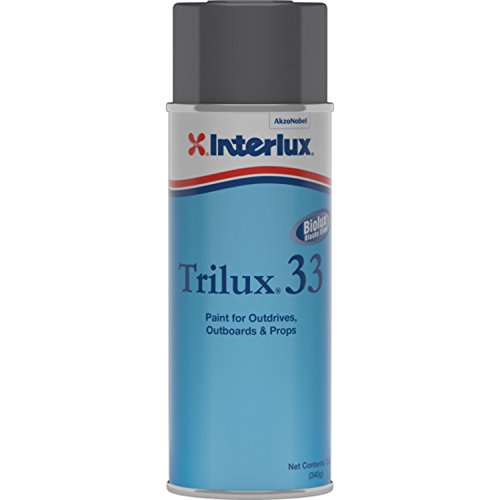
Interlux YBA064A/16 Trilux 33 Aerosol Antifouling Paint Gray 16 oz

TotalBoat TotalProtect Marine Barrier Coat Epoxy Primer White Quart
More Details On Our Top Picks
Hull cleaners matter most for boats that live through docks, tide lines, and summer grime. This gel format is built to cling to vertical fiberglass and painted surfaces, which helps the cleaning step stay where you put it instead of running off too quickly.
For routine hull refreshes, that cling gives you a more controlled clean around scum lines and stubborn staining. The trade-off is simple, though, a gel cleaner is still a specialty maintenance step, not a substitute for regular washdowns.
Strong Points
- Gel texture helps it stay on vertical surfaces.
- Works on fiberglass, plastic, and painted finishes.
- Useful for dockside cleanup between longer maintenance sessions.
- Gives you focused coverage on hull stains and scum lines.
Things To Consider
- Best suited to stain removal, not everyday washing.
- Gel application can take a little more care than a spray-only cleaner.
- Heavier buildup may still need repeat attention.
Feature Snapshot
Who It Suits Best
You get the most from this pick on a boat that needs periodic stain control around the waterline, especially after long dock time or a season of heavy use.
Where A Sibling Pick Shines
TotalBoat TotalProtect Marine Barrier Coat Epoxy Primer suits you better when you need to build a coating system from the ground up rather than clean the hull after the fact.
Bilge spaces take a beating from oil, moisture, and general mess, so a hard epoxy coating has real value there. Compared with the first pick, this is less about cleaning and more about sealing a working area with a tougher, more finished surface.
You may find the white color helpful in dim compartments because it makes the space easier to inspect at a glance. The honest read is that application prep still matters, especially in cramped engine rooms, but the payoff is a cleaner-looking bilge and fewer porous surfaces for grime to settle into.
What We Like
- Epoxy build gives the bilge a hard protective finish.
- Designed for bilges, engine rooms, lockers, and similar spaces.
- White color improves visibility in darker compartments.
- Useful in areas exposed to oils and other harsh residues.
Points To Note
- Best results depend on careful surface prep.
- White shows dirt sooner than darker coatings in busy compartments.
- More of a specialty coating than a general hull paint.
Core Details
Made For
You should look at this for interior marine spaces that need a tougher, washable coating instead of a bottom paint meant for underwater growth control.
Another Choice May Suit
Rust-Oleum Marine Boat Bottom Flat Black Antifouling Paint fits better for underwater hull protection on fiberglass, wood, or steel.
This isn’t the bottom paint itself, but it matters when your coating needs better brush or roller flow. Used with compatible solvent-based marine paints and primers, it helps the material lay down more evenly, which can save you from visible lap marks in long runs.
That makes it useful for DIY hull work and topside jobs where clean application matters as much as the coating choice. The trade-off is narrow focus, since it only earns its place in a project that already uses the right type of paint or primer.
Highlights
- Helps solvent-based coatings move more smoothly by brush or roller.
- Useful with a range of TotalBoat marine paints and primers.
- Can make hand-applied coats look more even.
- Helpful for careful repaint work on boat surfaces.
Small Caveats
- Only makes sense in a matching paint system.
- Not a stand-alone coating or hull defense product.
- Best suited to projects where application control matters.
At A Glance
Whose Shelf It Belongs On
You’ll want this near other paint supplies, not as a main coating, since it serves the job of improving the application step itself.
Skip It When
TotalBoat JD Select Water-Based Boat Antifouling Bottom Paint is the better fit for a hull coating job that needs its own seasonal protection layer.
For boats that spend meaningful time in the water, antifouling paint does the quiet work of slowing bottom growth before it can take hold. This Rust-Oleum option uses a copper-release formula, which is a common antifouling approach for underwater hull surfaces on fiberglass, wood, or steel.
Compared with the bilge coating above, this pick is for the exterior underside of the boat, not interior compartments. The surface timing also helps planning, since the listed recoat and launch windows give you a clearer maintenance schedule than some slower, less structured marine coatings.
Upsides
- Designed for use below the waterline.
- Works on fiberglass, wood, and steel hulls.
- Copper-release formula supports long-term antifouling defense.
- Useful for boats in freshwater or saltwater.
- Coverage and timing data help with project planning.
Room For Improvement
- Best suited to hull work, not general deck use.
- Needs careful prep if you want a clean finish over older coatings.
- Like most antifouling paints, maintenance planning still matters from season to season.
Feature Rundown
Built With In Mind
You should look here for a straightforward bottom coat that supports standard hull maintenance on boats used in either fresh or salt water.
Look Elsewhere When
Tuff Coat Medium Texture Rubberized Non-Skid Deck Coating is the better fit when traction on decks, docks, or ramps matters more than underwater fouling control.
This one is aimed at boat owners who want seasonal protection without leaning on a heavy, fussy system. As an ablative coating, it wears gradually in use, so the paint surface renews itself as the boat moves through the water, which is a practical fit for many sail and power boats.
It also stands apart from Rust-Oleum’s harder antifouling finish by giving you a water-based cleanup path and brush, roller, or spray flexibility. The honest trade-off is that seasonal paints are meant for routine renewal, not set-it-and-forget-it hull care.
Bright Spots
- Water-based formula simplifies cleanup with soap and water.
- Single-season ablative design suits routine haul-out cycles.
- Works on fiberglass, wood, and steel hulls.
- Can be applied by brush, roller, or spray equipment.
- Black finish keeps the look understated under the waterline.
Areas To Watch
- Best for seasonal maintenance, not long-interval hull ownership.
- Ablative coatings wear away by design, so reapplication is part of the routine.
- Project success still depends on proper hull prep.
Details At A Glance
The Right Fit
You’ll get the best value from this on a boat that comes out of the water on a seasonal rhythm and needs manageable upkeep.
Reach For A Different Pick When
Interlux YBA064A/16 Trilux 33 Aerosol Antifouling Paint makes more sense for small-area work where an aerosol format is easier to handle.
Some surfaces need traction more than they need antifouling chemistry, and that’s where this textured coating earns attention. The medium texture creates a grippy finish for boat ramps, docks, pool edges, patios, and other high-traffic zones where wet footing is a real concern.
Compared with the paint options above, this one is about feel underfoot and durability on walking surfaces, not hull growth control. You may find the 5-gallon format better suited to larger projects, because the volume makes more sense when you’re coating broad deck areas rather than a small repair patch.
Reasons To Buy
- Medium texture gives the surface more traction.
- Works across marine and home-adjacent wet areas.
- Flexible, water-based coating suits high-use surfaces.
- Light gray color keeps the look calm and clean.
- Large container size fits broader coverage needs.
Honest Caveats
- More about traction than hull protection.
- Large format makes more sense for bigger jobs than touch-ups.
- Textured surfaces usually need thoughtful cleaning to keep buildup down.
Spec Overview
Perfect Match For
You should put this on your list for decks, ramps, and walkways where safe footing matters more than underwater hull maintenance.
Swap It Out When
Rust-Oleum Marine Boat Bottom Flat Black Antifouling Paint is the better match for below-waterline hull protection on traditional boat surfaces.
Small repair areas are where an aerosol format can feel almost tailor-made. This Interlux option is useful for touching up bottom paint in tighter spots, especially on hardware-adjacent sections or around sections that need a controlled spray pattern.
Compared with the quart cans in this roundup, the 16 oz size is easier to store and simpler to bring out for a focused job. The trade-off is obvious, though, because aerosol coverage suits spot work far better than a full hull repaint.
Best Bits
- Aerosol format helps with controlled application.
- Compact can is easy to store on board or in the shop.
- Useful for small touch-up jobs and tight spots.
- Gray finish keeps the repair area visually discreet.
Minor Gripes
- Better for touch-ups than full-hull coverage.
- Aerosol use can create overspray if you rush the job.
- Smaller size means you’ll need a different option for larger projects.
Technical Sheet
Who Will Love This
You’ll appreciate this most for maintenance touch-ups, especially on boats that need small, clean corrections rather than a full repaint cycle.
A Better Fit Elsewhere
TotalBoat JD Select Water-Based Boat Antifouling Bottom Paint is the better choice for a broader seasonal bottom-coat project.
A barrier coat primer sits under the rest of the paint system, so this is a foundational product rather than a finish coat. That matters on fiberglass hulls and underwater metal because the primer layer helps build a protective base before you add topside paint, bottom paint, or fairing compound.
Compared with the other picks here, it asks for more planning but gives you more structure in the coating stack. You may find the two-part mix a little less casual than a single-can paint, yet the payoff is a cleaner starting point for a full marine repaint.
Positives
- Works above and below the waterline.
- Designed as a barrier coat for fiberglass and underwater metals.
- Two-part system suits full repaint prep.
- Compatible with topside paint, bottom paint, and fairing compound.
- High-build primer form helps create a substantial base layer.
Worth Noting
- Not a final finish, so you still need other coating layers.
- Two-part mixing adds another step to the project.
- Best for planned repairs, not quick weekend touch-ups.
Core Details
Who Should Grab It
You should look here when you want a primer layer that anchors a more complete boat refinishing job, especially on fiberglass hulls and underwater metal.
Not Your Match When
STAR BRITE Instant Hull Cleaner is the better fit for fast stain removal rather than coating preparation.
How To Choose The Right Bottom Boat Paints
Match The Paint To The Waterline Job
Bottom paint works in layers of purpose, not just color. Antifouling paint fights growth below the waterline, a bilge coating protects interior wet spaces, and a barrier primer sits underneath later coats to help build a stronger system.
That difference matters because a hard epoxy finish, an ablative coating, and a cleaner all solve separate problems. The wrong match wastes time, and the right one keeps your maintenance budget pointed at the part of the boat that actually needs attention.
Choose Based On How Often You Haul Out
Seasonal owners often get along well with ablative paints because they wear away in use and fit a routine refresh cycle. Boats that stay in the water longer may benefit from a harder antifouling finish or a more structured coating stack with primer beneath it.
That’s where local conditions matter too. Freshwater, saltwater, dock time, and storage habits all change how quickly buildup returns, so your own use pattern matters more than any generic paint label.
Think About Application, Not Just Protection
Brush, roller, spray, and aerosol formats each solve different problems. A quart can works well for larger, planned jobs, while an aerosol is easier for touch-ups in tight spaces and a solvent can help paint level out more smoothly during hand application.
Storage and cleanup deserve attention as well. Water-based options usually keep post-job cleanup simpler, while epoxies and copper-based coatings often ask for more prep and more careful handling of tools and surfaces.
Don’t Ignore Surface And Traffic Type
Fiberglass, wood, and steel hulls do not all need the same treatment, and deck surfaces need something different again. A textured nonskid coating belongs on walking areas, while a hull coating belongs below the waterline where growth pressure is the real issue.
That split sounds obvious, but it’s where many maintenance plans go sideways. The smartest purchase is the one that matches the surface, the season, and the amount of work you’re willing to repeat.
Things Worth Knowing Before You Choose
Common Shopping Slip Ups
One common mistake is buying a finish coat when the job really needs a primer first. Another is choosing a hull paint for an interior bilge or a traction surface for a below-waterline repair.
You also want to watch the application format. Aerosol cans are convenient for small areas, but they’re a poor match for full hull coverage, while larger containers make more sense for broader, planned work.
What The Higher Tier Buys
More expensive marine coatings usually bring specialized chemistry, better surface fit, or a more complete system. That can mean epoxy build, copper-release antifouling, water-based cleanup, or a two-part primer that sits under a larger paint stack.
The upgrade makes sense when your boat lives in the water, sees heavy wear, or needs a coating that lasts through a whole season or more of real use. For lighter upkeep, a simpler formula often covers the need without extra complexity.
Closing Thoughts
The right bottom boat paint depends on where the boat works hardest, and that’s the useful way to sort this category. Hull cleaners, antifouling paints, bilge coatings, nonskid finishes, and barrier primers each serve a separate maintenance role, so the best match is the one that fits your surface and your schedule. Pick the coating that solves the current job cleanly, and the rest of the boat gets easier to manage.
