

You need fiberglass paint for different jobs, not one catch-all can. Some boats need a hard bilge coating, others need bottom antifouling, and some need primer or restoration work after oxidation has dulled the finish.
This roundup stays focused on those real maintenance problems. You’ll see where each product fits, what it gives up, and which ones suit quick refreshes versus longer prep-heavy jobs.
The Shortlist At A Glance

TotalBoat TotalBilge Marine Epoxy Bilge Paint

Marine Coat One Iso/Npg Gel Coat White with Wax

Rust-Oleum Marine Boat Bottom Flat Black Antifouling Paint

Poli Glow Deluxe Boat & RV Restoration Kit

TotalBoat JD Select Water-Based Boat Antifouling Bottom Paint

Rust-Oleum Marine Wood & Fiberglass Primer
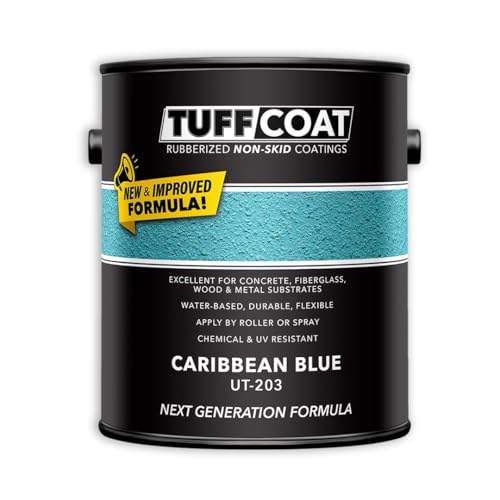
Tuff Coat Medium Texture Rubberized Non-Skid Deck Coating

DURALUX Marine Enamel
More Details On Our Top Picks
Bilges, engine rooms, and storage cavities ask a lot from a coating, and this epoxy paint is built for that kind of abuse. Its resistance to oils, acids, solvents, and other shop-like grime matters most in boats that live hard lives between cleanings.
Compared with the lighter-duty picks in this roundup, TotalBilge is the more workmanlike option for tight, dirty spaces where a hard coating makes sense. Brush, roller, or spray application gives you flexibility, though the glossy finish can make surface prep feel less forgiving than a simple cosmetic topcoat.
Strong Points
- Epoxy-based coating suits greasy compartments and wet storage zones.
- Built to stand up to fuel-room style residue and cleaning chemicals.
- Works on bilges, lockers, bulkheads, and similar low-clearance spaces.
- Application by brush, roller, or spray gives you setup flexibility.
Things To Consider
- Glossy finishes tend to show surface flaws, so prep matters.
- Better for enclosed service areas than for show surfaces.
- Cleanup and masking can take longer than with simpler cosmetic paints.
Feature Snapshot
Who It Suits Best
You’ll get the most from this pick on a working boat where internal compartments need a hard, washable coating rather than a decorative finish.
A Better Fit Elsewhere
Rust-Oleum Marine Wood & Fiberglass Primer suits you better when the job is prep work for a topside paint system, not the final bilge finish.
Gel coat repair is a different job from painting, and this kit is aimed at visible fiberglass damage like scratches, scrapes, and gouges. The waxed finish matters because it helps the surface cure tack-free, which is useful on repairs you want to sand and blend without a sticky wait.
Compared with TotalBoat TotalBilge, this is the cosmetic correction option, not the grimy-compartment coating. The included tinting pigments also help you chase a closer color match, though the trade-off is that color work takes patience and a careful hand.
What We Like
- White waxed gel coat helps repairs cure without a tacky surface.
- Good fit for scratches, scrapes, cracks, and deeper gel coat marks.
- UV resistance helps repaired areas blend into long, sunny seasons.
- Six tinting pigments give you room to fine-tune white shades.
- Useful for boats that need appearance recovery more than a full repaint.
Minor Gripes
- Color matching takes time, especially on older fiberglass.
- Repair work is more sensitive than a simple roll-on coating.
- The catalyst step adds mixing discipline and cleanup care.
Core Details
Who Will Love This
You’re in the right place here if you need fiberglass cosmetic repair work, especially on a boat that still has strong structure but visible surface damage.
Look Elsewhere When
Rust-Oleum Marine Boat Bottom Flat Black Antifouling Paint is the better match for below-the-waterline protection, since gel coat repair won’t handle that job.
Bottom paint has one job, keep growth from grabbing hold where the hull stays wet, and this Rust-Oleum formula is aimed squarely at that role. The copper-release design and compatibility with fiberglass, wood, and steel make it relevant to mixed fleets, not just one boat style.
Compared with the restoration-focused Poli Glow kit, this is more about underwater defense than cosmetic shine. The trade-off is that it’s specialized, so you don’t get a pretty topside finish, but you do get a coating built for seasonal hull service.
Upsides
- Designed for below-the-waterline surfaces where fouling is a constant concern.
- Works on fiberglass, wood, and steel, which helps across many hull types.
- Recoat timing and launch timing are clearly stated for planning.
- Coverage up to 110 sq ft suits medium hull-area jobs.
- Flat black finish keeps the look simple and service-oriented.
Areas To Watch
- Not a topside cosmetic product, so it won’t improve exposed gel coat.
- Schedule matters, since launch and recoat windows affect project timing.
- Best suited to waterline work, not general deck or cabin use.
At A Glance
Perfect Match For
You’re the best fit for this coating if you keep a fiberglass hull in freshwater or saltwater and want seasonal underwater protection.
Another Choice May Suit
TotalBoat JD Select Water-Based Boat Antifouling Bottom Paint suits you better when soap-and-water cleanup and a water-based formula matter more than a flat black finish.
Oxidized fiberglass has a chalky, tired look, and this kit is built for bringing back depth and gloss rather than adding a fresh color coat. The liquid Poli Ox option should feel cleaner to handle for most garage or driveway projects, while the classic powder version still gives you the same basic restoration path.
Compared with Marine Coat One’s repair kit, this one is aimed more at whole-surface renewal than spot fixing. That makes it a better match for boats that need a visual reset, though the process still asks for patience and even application.
Highlights
- Targets oxidation, which is the dulling that makes fiberglass look tired.
- Seals the surface after restoration, so the finish is not just cosmetic.
- Useful for boat and RV surfaces, which broadens ownership use.
- Liquid formula offers a cleaner workflow than loose powder systems.
- Good fit for large refresh jobs where compounding is not the path you want.
Softer Spots
- Restoration work still depends on careful prep and even coverage.
- Best suited to worn gel coat, not structural fiberglass repair.
- Finish results can vary with the condition of the existing surface.
Details At A Glance
Whose Shelf It Belongs On
You’re the right match for this kit if your fiberglass has lost gloss and you want a restoration approach rather than a repaint.
Where A Sibling Pick Shines
Marine Coat One Iso/Npg Gel Coat White with Wax is the better call for cracks, chips, and gouges that need actual gel coat repair.
This TotalBoat bottom paint takes a more user-friendly route than solvent-heavy antifouling coatings. Water-based cleanup is the obvious convenience, and that matters after a long paint day when you’d rather rinse tools than deal with harsher residue.
Compared with Rust-Oleum’s flat black antifouling paint, JD Select leans toward seasonal practicality and easier handling. The honest trade-off is that it’s still a bottom coating, so it belongs under the waterline and not on visible fiberglass panels.
Best Bits
- Water-based formula makes cleanup simpler after the job.
- Designed for fiberglass, wood, and steel hull surfaces.
- Works in fresh or salt water, which helps mixed boating use.
- Ablative behavior suits seasonal maintenance cycles for many boats.
- Soap-and-water cleanup is a practical advantage in a home workspace.
Room For Improvement
- Bottom paint is specialized, so it does not serve general topside needs.
- Brush, roller, or spray setup still requires solid masking and prep.
- Seasonal coatings ask for repeat maintenance planning over time.
Quick Facts
Best Suited To
You’re a strong match for this paint if you want a seasonal bottom coating with easier cleanup and broad hull compatibility.
Skip It When
DURALUX Marine Enamel is the better route when you need a topside finish for visible surfaces, not underwater antifouling.
Primer rarely gets the spotlight, but fiberglass projects often need it more than another layer of color. This Rust-Oleum base coat is for topside prep, especially where you want the next paint layer to bite properly and lay down smoother.
Compared with DURALUX Marine Enamel, this is the prep stage rather than the finish stage. That split matters in real ownership, because a decent primer can help a paint job look more even and last longer without demanding complicated equipment.
Reasons To Buy
- Works on wood and fiberglass above the waterline.
- Helps topcoats bond more securely to the surface.
- Sands easily, which helps with smoothing between coats.
- Handles bare, lightly rusted, and previously painted surfaces.
- One-hour touch dry time fits faster project pacing.
Small Caveats
- It’s a primer, so you still need a finishing coat.
- Above-waterline use only narrows the job scope.
- Surface prep still matters, especially on old paint.
Feature Card
Made For
You’re the right fit here if you’re building a topside fiberglass paint system and want the finish coat to bond cleanly.
Swap It Out When
TotalBoat TotalBilge Marine Epoxy Bilge Paint is the better pick for enclosed, dirty interior spaces where primer alone won’t solve the job.
Deck coatings solve a different problem from paint, and this Tuff Coat formula is about traction on wet, hard-use surfaces. The medium texture and rubberized build suit boat ramps, docks, and walkways where footing matters more than a glossy look.
Compared with the smoother finishes in this roundup, this one trades elegance for grip. That makes it a sensible choice for active boats and waterfront spaces, though the textured surface will ask for a little more attention during cleaning.
Plus Points
- Medium texture gives you a grippier surface underfoot.
- Rubberized coating suits high-traffic, wet-use areas.
- Works across boat ramps, docks, patios, and walkways.
- Flexible, water-based construction helps it adapt to active surfaces.
- Useful where slip resistance matters more than shine.
Points To Note
- Textured coatings can take longer to scrub clean.
- Not a cosmetic finish for fiberglass gel coat.
- Best value shows up on surfaces that see regular foot traffic.
Core Details
Right Fit
You’re the best match for this coating if your waterfront space gets wet traffic and you care more about grip than gloss.
Where A Sibling Pick Shines
Rust-Oleum Marine Wood & Fiberglass Primer is the better choice when your fiberglass project needs a base coat for paint, not a textured surface.
Topside enamel sits in the middle ground between plain utility and a more finished look, and DURALUX covers a lot of materials for that role. Steel, metal, wood, fiberglass, and aluminum compatibility make it a flexible option for mixed-surface maintenance jobs on boats and nearby structures.
Compared with Rust-Oleum’s primer, this is the visible finish coat. The trade-off is that you still need sound prep underneath, but the single-component setup keeps the project simpler than systems that require multiple mixing steps.
Positives
- Adheres to several common marine and maintenance surfaces.
- Works on fiberglass alongside metal and aluminum.
- Single-component setup keeps the workflow straightforward.
- Built for topside use on boats and similar structures.
Trade Offs
- Needs proper surface prep to hold up well.
- Topside-only use keeps it out of below-waterline jobs.
- Finish quality depends heavily on the condition underneath.
Feature Rundown
Built With In Mind
You’re the right fit for this enamel if you want a straightforward topside finish that can move across different substrates without changing products.
Reach For A Different Pick When
Rust-Oleum Marine Boat Bottom Flat Black Antifouling Paint is the better match for submerged hull protection, since DURALUX is a topside coating.
How To Choose The Right Boat Paints For Fiberglass
Match The Coating To The Job
Fiberglass boats need different coatings depending on where the surface sits and what it faces. Below the waterline, antifouling paint belongs on the hull because it addresses growth and slime; above the waterline, primer, enamel, or gel coat repair makes more sense.
That split matters because a glossy topside finish will not solve underwater fouling, and an antifouling coating will not give you a clean cosmetic repair. Start with the problem, then choose the coating type that solves it.
Pay Attention To Surface Condition
Chalky oxidation, scratches, and gouges call for very different products. A restoration kit like Poli Glow helps when the gel coat still has structure but has lost depth, while Marine Coat One is better when you need to fill actual damage.
Primer sits another step earlier in the process. Rust-Oleum Marine Wood & Fiberglass Primer helps topcoats grip, which matters on older fiberglass that already has paint layers or a worn surface.
Think About Your Work Style
Application method changes the whole job. Brush, roller, and spray options suit different spaces, but tight bilges and corners usually reward coatings that level well and clean up without drama.
Water-based formulas are friendlier for home workshops, while epoxy and single-component marine finishes may ask for more careful prep. The right choice depends on how much setup you can handle and how clean you want the cleanup to be.
Choose For Maintenance, Not Just Appearance
Boat paint for fiberglass should support the way you actually maintain the boat. Seasonal sailors often need bottom paint that can be recoated on schedule, while owners focused on cabin or deck upkeep may need primer, enamel, or a textured nonskid layer instead.
That’s where ownership fit matters more than looks. A coating that matches your maintenance rhythm will usually serve you better than a prettier product aimed at the wrong surface.
What To Weigh Before You Click
Wrong Turns To Avoid
One common mistake is using a decorative finish where a functional coating belongs. Fiberglass repair, primer, bottom paint, and nonskid deck coating all solve different problems, so buying by color alone can leave you short on performance.
Another misstep is ignoring cure or recoat timing. Products with launch windows, tack-free cure steps, or sanding stages need a little project planning, especially on boats that can’t stay out of service for long.
What The Extra Money Goes Toward
Higher-tier coatings usually pay for better chemistry, more predictable finish behavior, or a system that solves a narrower problem with less compromise. That can mean tougher epoxy in dirty compartments, tinting support for gel coat repair, or a restoration kit that handles oxidation in a more complete way.
In practice, the premium often goes toward convenience and durability rather than flash. For a boat that sees regular use, that extra control can save you from redoing the same area sooner than you’d like.
Final Thoughts
The right fiberglass paint depends on where the surface lives and what kind of wear it sees. Use antifouling paint below the waterline, primer before a finish coat, gel coat repair for damage, and restoration products when the surface has gone dull but still has good structure. For slippery docks or ramps, the textured deck coating is the practical outlier here. Choose the product that fits the surface first, and the finish tends to follow more naturally.
