

Rust on wheels, tools, and trim rarely shows up in one neat patch. You need the right formula for the job, because a spray for paint decontamination, a jelly for vertical metal, and a soak for hardware each behave differently in real garage use.
This roundup focuses on the kinds of jobs that come up around daily drivers, weekend projects, and storage-bound metal parts. You’ll see where each pick fits, where it asks for patience, and which one makes the most sense for your workflow.
Quick Look At The Shortlist

Meguiar’s Ultimate Iron Remover 24 Oz

Rust-Oleum Rust Dissolver Jelly 8 oz
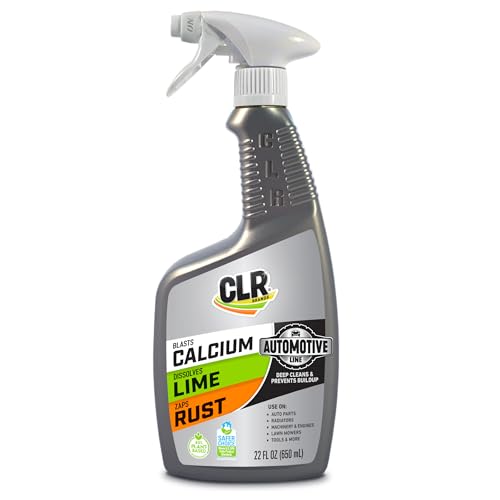
CLR Brands Automotive Calcium, Lime and Rust Remover Spray 22 oz

P & S Professional Detail Products Iron Buster Wheel & Paint Decon Remover 16 oz

CLR Brands Automotive Calcium, Lime & Rust Remover 80 oz

STAR BRITE Corrosion Buster Pen

Rust-Oleum Rust Dissolver Soak & Bath Quart

2-in-1 Rust Converter & Metal Primer 35 Floz
More Details On Our Top Picks
Meguiar’s sits in the paint-prep lane rather than the heavy-rust lane, and that distinction matters. The spray format suits wheels and body panels where you want broad coverage without scrubbing into tight spokes or textured paint.
For regular detailing days, the appeal is that it targets iron fallout that clay bars can miss, which makes it a cleaner step before polishing. The trade-off is simple, it’s built for decontamination rather than soaking corroded hardware, so restoration jobs need a different tool.
Strong Points
- Spray coverage works well on wheels and painted panels.
- Targets embedded iron particles that sit below normal grime.
- Fits a prep-first detailing routine before polishing or compounding.
- 24 oz size gives you room for repeated exterior use.
Things To Consider
- It’s not meant for soaking bolts or pitted parts.
- Used on exterior surfaces, it asks for careful rinsing and drying.
Feature Snapshot
Who It Suits Best
Detail-minded drivers who want cleaner paint before correction work will get the most from this bottle.
Where A Sibling Pick Shines
P & S Professional Detail Products Iron Buster Wheel & Paint Decon Remover fits better for wheel-focused users who want a pH-balanced formula on alloy, chrome, steel, and aluminum.
This jelly earns attention because it stays where you put it, which helps on bolts, brackets, and other vertical or awkward metal surfaces. For garage work, that cling matters more than bottle size, especially when rust is sitting in grooves or around edges.
The 10 to 30 minute window for lighter corrosion makes it more hands-off than a wire-brush approach, though heavier buildup may need another pass. You’ll still want good rinsing habits, since the real benefit here is letting the formula do the work before you wipe the part clean.
Upsides
- Jelly texture helps it stay on metal longer.
- Useful on heavily rusted tools and small car parts.
- Can cut down on hand scrubbing.
- Works well as a prep step before paint.
Points To Note
- The small 8 oz jar suits targeted jobs more than large batches.
- Heavy corrosion may need a second application.
- Cleanup still matters after the soak time ends.
Details At A Glance
Made For
You get the most from this jar on compact repairs, garage tools, and rusty fasteners that need a controlled application.
Look Elsewhere When
Rust-Oleum Rust Dissolver Soak & Bath suits larger part batches better, especially when you want a quart-size liquid you can brush on or use as a bath.
CLR takes a broader cleaning path than the iron-focused sprays above, and that makes it useful in a messy garage. The trigger bottle fits engine bays, tools, garage surfaces, and other areas where rust shows up alongside hard-water film or calcium buildup.
That wider scope is handy for maintenance days, though it also means you’re choosing a general-purpose cleaner rather than a specialist decontaminant. For mixed cleanup jobs, that flexibility saves time, but deep paint correction still belongs to a more targeted iron remover.
Bright Spots
- Trigger spray format is easy to aim.
- Useful across engine parts, tools, and garage surfaces.
- Handles more than rust alone, which helps with layered buildup.
- Works as a space-saving all-around cleaner for automotive areas.
Softer Spots
- Broad cleaning focus is less specialized than an iron-only formula.
- Best results depend on matching the spray to the surface.
Feature Rundown
Who Will Love This
Home mechanics and weekend garage cleaners will appreciate a bottle that handles several surface types without taking up much room.
A Better Fit Elsewhere
Meguiar’s Ultimate Iron Remover 24 Oz suits paint and wheel decontamination better, especially for detailing work that calls for a more focused iron-removal step.
This one speaks directly to wheel care, and the pH-balanced formula gives it a more measured feel than harsher garage cleaners. For alloy, chrome, steel, and painted wheels, that matters because the job is removing iron and brake dust without making the surface feel overworked.
The color-change reaction is useful in practice because it shows where the formula is reacting, which helps you keep track of coverage on complex wheel designs. The honest read is that it’s strongest in detailing routines, not in soaking rusty bolts or general shop cleanup.
What We Like
- Made for wheel and paint decontamination work.
- pH-balanced formula suits delicate wheel finishes.
- Works across alloy, chrome, steel, aluminum, and painted wheels.
- Color change helps you see active coverage.
Area To Watch
- Its strengths are narrow, so it’s less useful as a general garage cleaner.
- Wheel detailing takes a bit more attention on spoke-heavy designs.
Core Details
Right Fit For
You’ll like this most if your main task is wheel detailing and you want a controlled formula for finished surfaces.
Swap It Out When
STAR BRITE Corrosion Buster Pen makes more sense for pinpoint work in tight spots, especially on electrical connections or tiny corrosion spots.
The bigger bottle makes sense for households or garages that go through cleaner quickly. Compared with the 22 oz CLR spray, this version leans into volume, which is useful for repeated jobs on parts, work areas, and other vehicle-adjacent surfaces.
You still get the same broad-cleaning character, so it’s less about precision and more about having a larger reserve on hand. That can be a smart trade for busy spaces, though it’s probably more bottle than you need for one-off spot treatment.
Reasons To Buy
- 80 oz size supports frequent use.
- Good fit for garages with repeated cleanup needs.
- Broad cleaning role reduces the need for multiple bottles.
- Useful where rust sits alongside mineral buildup.
Small Caveats
- The large bottle takes more storage space.
- It’s less nimble than the smaller spray version.
Feature Card
Built With In Mind
This suits garages, driveways, and homes where automotive cleanup happens often enough to justify a larger container.
Another Choice May Suit
CLR Brands Automotive Calcium, Lime and Rust Remover Spray 22 oz fits better for users who want a smaller trigger bottle with quicker grab-and-go handling.
STAR BRITE goes after tiny corrosion spots with a pen-style tool instead of a spray or soak, and that makes it unusually handy for detail work. The adjustable fiber length gives you control in cramped zones, which is exactly where bigger bottles start to feel clumsy.
That same precision makes it useful for electrical connections, marine gear, and paint prep, though the trade-off is obvious, it’s built for targeted cleanup rather than broad surface coverage. The oversized body and finger indent also matter in long sessions, since grip comfort tends to fade quickly with smaller tools.
Highlights
- Pen format helps you target small corrosion spots.
- Adjustable fiber length improves reach in tight areas.
- Over 20,000 glass fibers provide a mechanical cleaning approach.
- Comfortable body shape helps during longer maintenance jobs.
Worth Noting
- It’s a spot tool, so large panels take time.
- Fiber tips will need careful storage to stay effective.
Quick Facts
Whose Shelf It Belongs On
You’ll appreciate this most if your work often involves small rust spots, connectors, or trim areas that need a careful touch.
Reach For A Different Pick When
Rust-Oleum Rust Dissolver Jelly 8 oz suits bigger rusted parts better because its clingy gel format is more efficient on vertical metal.
This version gives you more ways to work, since you can soak parts in it or brush it onto metal. That flexibility helps in a restoration corner of the garage, where bolts, tools, and small car parts rarely arrive in the same shape or size.
The water-based formula keeps the approach straightforward, and the 10 to 30 minute range for lighter rust makes planning easier. For larger or more stubborn jobs, you may need repeat applications, but the quart size is a better fit for batch work than the smaller jelly jar.
Positives
- Can be used as a soak or brushed on.
- Quart size suits multiple parts at once.
- Good fit for tools, bolts, and mixed metal pieces.
- Helpful for restoration work that needs a flexible workflow.
Trade Offs
- Large jobs may still need another pass.
- A bath setup takes space and cleanup planning.
Feature Rundown
The Right Fit
You get the best match here if you restore several small to medium metal parts and want a flexible liquid format.
Skip It When
Rust-Oleum Rust Dissolver Jelly 8 oz makes more sense for tiny, vertical, or awkward spots where cling matters more than volume.
This is the least like the cleaners and removers above, because it turns rust treatment into a coating step. That makes sense for metal you plan to paint, since a converter changes the rusted area into a paint-ready layer instead of asking you to strip everything down first.
The 35 floz size and water-based build point it toward larger projects, especially where you want fewer steps and less sanding. The trade-off is that this belongs on repair surfaces, not on the kind of quick wheel-cleaning job handled by Meguiar’s or P & S.
Best Bits
- Combines rust conversion and primer in one step.
- Useful for paint prep on repaired metal.
- Large 35 floz size suits bigger jobs.
- Can reduce the need for separate primer work.
Minor Gripes
- It’s aimed at coating and prep, not quick cleanup.
- Larger repairs need careful surface planning.
- Better for paint workflows than for spot rust removal.
Technical Sheet
Perfect Match For
You’ll want this for rusted metal that’s headed back toward paint, especially on larger automotive repair areas.
Where Another Pick Suits Better
Meguiar’s Ultimate Iron Remover 24 Oz is the cleaner choice for wheel and paint decontamination, while this one is more of a repair-stage coating product.
How To Choose The Right Automotive Rust Removers
Match The Formula To The Job
Rust removers do not all solve the same problem. A spray like Meguiar’s or P & S suits wheels and painted panels, while a jelly like Rust-Oleum Rust Dissolver Jelly works better on vertical metal, and a soak-and-bath formula suits loose parts on a workbench.
That’s the first filter to use, because the wrong texture wastes time. A thin liquid can run off a bolt, and a thick gel can feel awkward on broad body panels.
Think About Surface Safety
Wheel finishes, painted panels, bare steel, chrome, and aluminum all ask for different levels of caution. A pH-balanced wheel cleaner or a detail-oriented iron remover usually makes more sense for finished exterior surfaces than a stronger bath-style product.
For daily drivers, the main question is whether you need rust removal, decontamination, or general cleanup. The right formula protects your workflow as much as your finish.
Plan For Size And Frequency
Small jars and pens suit spot jobs, trim, and hardware. Bigger bottles make more sense when you keep a garage stocked for repeated cleanup or multi-part restoration.
Storage matters too. A 35 floz converter, an 80 oz cleaner, or a quart soak can earn their shelf space fast, but a compact pen or 8 oz jelly is easier to keep within reach.
Choose By End Goal
Some products remove corrosion so you can rinse, dry, and move on. Others, like the 2-in-1 converter and primer, are meant to leave a paint-ready layer behind.
That difference decides the purchase more than any label on the front. If the next step is polishing, pick a decon remover; if the next step is paint, pick a converter or primer-style product.
What To Weigh Before You Commit
Hidden Buying Traps
One common mistake is treating every rust product as a universal fix. Wheel decon sprays, jelly removers, soaking liquids, and converter primers solve different problems, so the shape of the job should come first.
Another slip is underestimating cleanup. A product that leaves residue, needs rinsing, or asks for a second pass can still be worth it, but you need the time and workspace to handle that follow-through.
The Upgrade Payoff
Higher-tier formulas tend to cost more because of application control, surface compatibility, and workflow savings. A pH-balanced wheel spray, a clingy jelly, or a converter that doubles as primer usually carries more utility than a plain acid-style cleaner.
That extra spend makes sense for detail work, paint prep, or repeat garage use. For occasional spot treatment, a smaller bottle or a pen-style tool is usually the cleaner match.
Closing Thoughts
You have a clear split here: decontaminate paint, loosen rust from hardware, clean mixed garage grime, or prep rusted metal for paint. The best choice depends on surface type, application style, and how much work you want the formula to do before you touch the part. For most garages, one targeted spray and one focused rust remover cover more ground than a single all-purpose bottle. Choose the tool that matches the surface, and the rest gets simpler.
