

Rust rarely starts with drama, it starts with a small chip, a wet corner, or a battery terminal that has gone dull and crusty. The right automotive rust killer depends on whether you need a spray for exposed metal, a converter for active rust, or a jelly that hangs on long enough to do its job. This shortlist focuses on garage work, driveway repairs, marine exposure, and larger maintenance jobs, so you can match the formula to the mess instead of guessing.
The Shortlist At A Glance
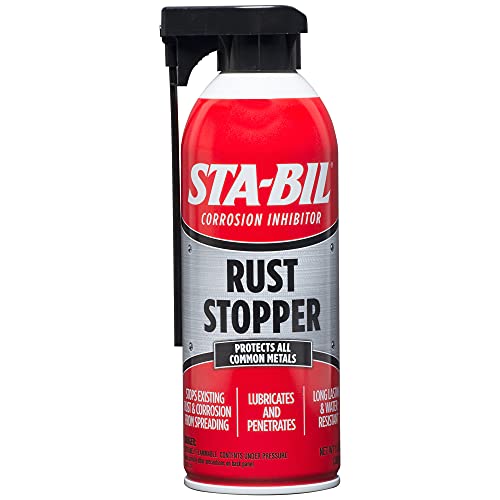
STA-BIL Rust Stopper 13 Oz

CorrosionX Heavy Duty Anti Rust Spray 12oz

Rust-Oleum Stops Rust 2-in-1 Rust Reform & Seal Coating Spray Black

BLACK STAR Rust Converter 1 Quart
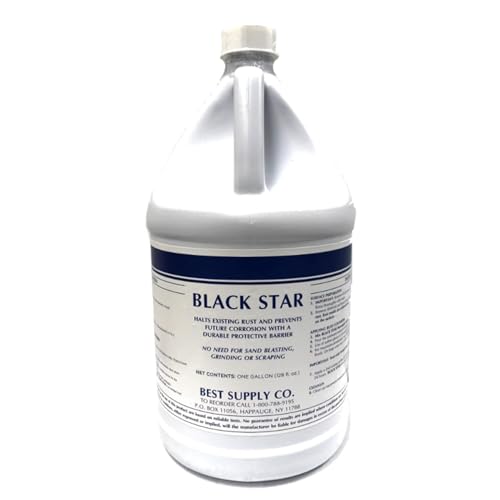
BLACK STAR MRO Chem Rust Converter 1 Gallon

Rust Converter & Metal Primer 141 Fl Oz


Rust-Oleum Rust Dissolver Jelly 8 oz
More Details On Our Top Picks
STA-BIL Rust Stopper suits routine maintenance, especially around battery terminals, hinges, and exposed metal that sees daily moisture. The spray format keeps things simple, and the long-lasting protective film is the key feature here, not a thick rebuild layer.
That makes it a tidy fit for commuters, weekend garage work, and small boats or bikes that live outdoors part of the time. The trade-off is straightforward, it’s built more for prevention and surface protection than for heavy rust conversion.
Strong Points
- Helps slow new corrosion on exposed and painted metal, which matters around trim, fasteners, and terminals.
- Works on battery connections, so you can address a common trouble spot in one step.
- Leaves a water-resistant layer, useful for vehicles that face rain, road spray, or damp storage.
- Also aims to reduce squeaks and sticking, a practical plus on hinges and small moving parts.
Points To Note
- It’s a preventive spray, so badly scaled metal usually needs a different approach first.
- The coating focus means cleanup around overspray still deserves attention.
- Opened bottles are marked for a two-year use window, so storage discipline matters.
Feature Snapshot
Who It Suits Best
You get the most from this pick if you want a straightforward spray for ongoing rust control on vehicles, terminals, and outdoor metal that still looks mostly sound.
Where A Sibling Pick Shines
Rust-Oleum Rust Dissolver Jelly 8 oz makes more sense for small parts with visible rust buildup, since it focuses on removal rather than prevention.
CorrosionX leans hard into harsh-environment protection, which is why it stands out for saltwater exposure, farm equipment, and machinery that gets washed down often. The self-healing barrier and dripless behavior point to a formula meant to stay in place instead of disappearing after the first rinse.
Compared with STA-BIL Rust Stopper, this one feels more committed to rugged, long-haul exposure and larger electrical connections such as battery posts or grounding lugs. The honest read is that it makes the most sense where repeated moisture and vibration are part of the job.
What We Like
- Clings through rain, seawater, and pressure washing, so it fits hard-use outdoor conditions.
- Designed for larger terminals and connectors, which helps on heavier-duty electrical work.
- Flexible barrier is a useful trait on equipment that moves, vibrates, or gets knocked around.
- Indoor and outdoor protection windows are clearly stated, which helps with planning and storage.
- Polar bonding is aimed at hard-to-see corrosion points, a plus in engine bays and dockside gear.
Softer Spots
- The stronger-duty focus may be more than you need for a simple garage touch-up.
- Its thicker protection style can feel less casual than a light maintenance spray.
- For small, tidy jobs, the larger-duty formula may be harder to justify.
Details At A Glance
Made For In Mind
You’ll get the most value from this pick around boats, trailers, tractors, and heavy equipment that spends real time in wet or salty conditions.
Another Choice May Suit
STA-BIL Rust Stopper 13 Oz is easier to justify for everyday car upkeep and lighter corrosion control around home garages.
This Rust-Oleum spray sits in a useful middle ground, because it’s built to deal with rust while also leaving a protective rubberized film. Rubberized means the coating has some flex to it, which helps on underbody edges, wheel wells, and other surfaces that see road grime and movement.
Compared with CorrosionX, this one is less about saltwater durability and more about turning rough metal into a sealed, paintable surface. That makes it a practical step in a repair sequence, especially for vehicles that need a cleaner finish after rust work.
Upsides
- Can seal both rusted and bare metal, which broadens its use in repair prep.
- The rubberized coating adds flexibility, useful where panels and parts move a bit.
- Moisture and corrosion resistance matter on underbody and wheel well repairs.
- Works as a repair layer and a preventive layer, which keeps the workflow simpler.
Minor Gripes
- The coating style means surface prep still matters for a clean result.
- It’s less targeted at electrical terminals than STA-BIL Rust Stopper or CorrosionX.
- Spray coverage can be more than you need for tiny fix-it jobs.
Core Details
Built With In Mind
You’ll appreciate this pick for bodywork prep, wheel wells, and undercar surfaces where you want sealing and a more finished-looking result.
Where A Sibling Pick Shines
Rust Kutter Gallon is a better fit for paint-prep work on active rust, especially when you want a surface ready for refinishing afterward.
BLACK STAR’s quart-size converter fits the kind of repair where you want to treat rust on steel instead of grinding forever. A rust converter changes the corrosion layer into a more stable surface, so it’s aimed at restoration work rather than fresh-metal protection alone.
Compared with Rust-Oleum’s rubberized spray, this one is more about direct rust treatment and less about laying down a coated finish. That makes it a sensible middle step for garage projects, fence-like steel parts, and patched areas that need a cleaner foundation.
Highlights
- Focuses on converting rust, which helps on steel that already shows damage.
- Quart size suits moderate repair areas without moving straight to bulk containers.
- Can reduce the need for aggressive scraping on every square inch.
- Fits restoration work where you want to stabilize the surface before refinishing.
Room For Improvement
- It works best where rust is already present, so clean panels are not the main use case.
- The finish is more prep-focused than decorative on its own.
- For very large projects, a gallon format may be the better scale.
Quick Facts
Right Fit For
This suits hands-on DIYers who want to treat rust on steel parts and move into paint or coating work afterward.
Swap It Out When
Rust-Oleum Rust Dissolver Jelly 8 oz is the better match for small hardware, bolts, and parts that need rust removed more directly.
This gallon-size BLACK STAR converter is built for bigger jobs, so it makes more sense once the repair area starts to spread out. The move from quart to gallon changes the ownership story completely, especially for shops, fleet work, or repeated steel restoration across multiple parts.
Relative to the quart version, the value here is mostly about coverage and fewer container changes mid-project. The trade-off is storage and handling, so it’s a better fit for a dedicated garage rather than a tiny shelf near the workbench.
Best Bits
- Gallon volume suits larger repair areas and repeated projects.
- Converts rust on steel surfaces, which keeps the focus on restoration work.
- Useful for shops or property maintenance where one small container would run out too soon.
- Helps standardize a repair process across multiple steel items.
Areas To Watch
- The gallon format takes more storage space than the quart option.
- It makes the most sense when you already have enough rusted surface to justify the volume.
- Like other converters, it works best as part of a prep and refinish workflow.
Feature Rundown
The Right Fit
You’re in the sweet spot with this pick if you manage large steel repairs, restoration tasks, or regular shop work that burns through smaller containers.
A Better Fit Elsewhere
BLACK STAR Rust Converter 1 Quart works better for occasional home projects or smaller areas where a gallon would be more than you need.
LISRUX goes after large-format metal work, and the 141 fl oz container size makes that plain. The product also combines conversion with primer-like behavior, so you get a coating that aims to prepare the surface as well as protect it.
That puts it ahead of the smaller BLACK STAR options for one reason, coverage. In most garage settings, the size alone tells you it’s intended for substantial surfaces, industrial areas, or vehicles with a lot of exposed metal.
Reasons To Buy
- Large volume suits broad metal surfaces and recurring maintenance tasks.
- Water-based formula is a useful detail for shops that prefer a different cleanup profile.
- Heat and UV resistance broaden where you can use it outdoors.
- Acts as both a converter and primer, which simplifies some repair stacks.
- Built for automotive and industrial use, so it targets serious surface work.
Softer Spots
- The container size is far beyond what most casual touch-up jobs need.
- Storage and handling matter more here than with quart or aerosol options.
- Its bigger role makes it less convenient for quick spot repairs.
Technical Sheet
Best Suited To
You’ll get the most from this pick in industrial garages, fleet maintenance, or large automotive projects where coverage matters more than portability.
Look Elsewhere When
BLACK STAR Rust Converter 1 Quart makes more sense for small-area repairs, simple storage, and lighter ownership demands.
Rust Kutter is aimed squarely at refinish work, because it converts rust and leaves behind a primed surface you can paint over. That matters on project cars, steel panels, and repair jobs where you want to move from rust treatment into a fresh topcoat without extra guesswork.
Compared with BLACK STAR’s converters, this one is more explicit about the paint-ready finish, which gives it a clear role in restoration workflows. The catch is equally clear, rust has to be present for the formula to do its job, so clean painted metal is outside its lane.
Positives
- Leaves a primed surface, which shortens the handoff to painting.
- Helps stop rust and corrosion on steel spots that already need attention.
- Useful for repair work where a paint-ready base is the goal.
- Available in gallon and quart sizes, giving you a scale choice for the project.
- The workflow is straightforward enough for restoration-minded DIY work.
Honest Caveats
- Rust must be present, so it’s not for untouched painted surfaces.
- The process includes drying and rinsing steps, which adds time to the repair.
- Surface prep still matters, especially where loose material is involved.
Feature Card
Whose Shelf It Belongs On
This belongs with restoration hobbyists and repair shops that want rust spots treated and then moved quickly into paint.
Reach For A Different Pick When
STA-BIL Rust Stopper 13 Oz is the better fit for ongoing prevention on sound metal and battery hardware.
Rust-Oleum’s jelly format is the most targeted remover in this group, because the thicker texture helps it cling to small parts and stubborn rust. That makes it especially useful for bolts, tools, grills, bikes, and similar hardware where a spray can run off too quickly.
Compared with Rust Kutter and the BLACK STAR converters, this pick is for removal first and surface prep second. The payoff is simple: once the rust softens and rinses away, you’re left with a cleaner metal surface ready for the next step.
Bright Spots
- Thick jelly stays put on vertical or awkward metal surfaces.
- Can work quickly on light to medium rust, which suits many hardware jobs.
- Rinse-and-wipe cleanup keeps the process direct.
- Useful for parts that are too small or awkward for a spray coating.
Small Caveats
- Heavier rust may need a second round, so badly corroded parts can take more time.
- Its small 8 oz size is better for spot work than broad coverage.
- Because it removes rust, you still need a follow-up protection step afterward.
At A Glance
Who Will Love This
You’ll like this most for small parts, bench repairs, and jobs where clinging power matters more than volume.
A Better Fit Elsewhere
Rust Kutter Gallon is the stronger option for larger paint-prep projects, especially when you’re treating broad rusted panels.
How To Choose The Right Automotive Rust Killers
Match The Formula To The Problem
A preventive spray and a rust converter solve different jobs, and that distinction matters more than packaging size. Sprays like STA-BIL Rust Stopper suit sound metal that needs a protective layer, while converters such as Rust Kutter or BLACK STAR are built for metal that already shows active rust. For bolts, tools, and tight hardware, a jelly like Rust-Oleum Rust Dissolver Jelly gives you longer dwell time on the surface.
Think About Environment First
Road salt, seawater, and constant washdowns call for a different product profile than a weekend car in a dry garage. CorrosionX stands out for harsher exposure because it’s shaped for stubborn outdoor conditions, while LISRUX makes more sense for large coated surfaces that need both conversion and primer-like coverage. The environment tells you whether you need resistance, conversion, or both.
Size Matters More Than It Seems
Small containers suit spot repairs, and larger formats pay off only when the work area actually justifies them. A quart like BLACK STAR Rust Converter is easier to store and manage than a gallon, while Rust Kutter and LISRUX make more sense for bigger restoration or industrial jobs. The wrong size usually creates clutter, not convenience.
Plan For The Next Step
Some products stop at protection, others leave a surface ready for paint, and that changes the whole workflow. If your job ends with prevention, a spray coating is enough, but restoration projects usually need a converter or remover that sets up primer or paint afterward. That’s the real separation between a quick maintenance tool and a serious repair product.
What To Weigh Before You Commit
Mistakes Worth Dodging
Many people grab a spray for a part that really needs a converter, then wonder why the rust still looks active. Another common slip is buying a large container for a tiny spot job, which just leaves you with extra storage and extra cleanup. Surface condition and job size should drive the choice, not the label style.
The Upgrade Payoff
Higher-tier products usually cost more because they cover harder conditions, larger areas, or more steps in the repair process. CorrosionX brings long-term outdoor protection, LISRUX combines conversion with primer-like function, and Rust Kutter streamlines the move toward paint. That extra capability matters most when the metal is already compromised or the exposure is punishing.
Final Thoughts
The best rust killer for your vehicle depends on the job in front of you, not the most aggressive wording on the bottle. For daily corrosion control, STA-BIL and CorrosionX make sense in different settings, while Rust-Oleum’s spray, the BLACK STAR converters, and Rust Kutter serve more repair-focused work. Rust-Oleum Rust Dissolver Jelly is the nimble option for parts and hardware. Match the formula to the metal, and the rest gets much easier.
