

Automotive paint reducers shape how urethane coatings flow, level, and spray, so the wrong match can leave you chasing texture instead of finish. You get the cleanest result by matching the reducer to the shop temperature, the coating type, and the amount of material you plan to mix. That matters whether you’re restoring a panel at home, running a small booth, or handling repeat refinishing work in a busy garage. The picks below focus on temperature bands, package size, and compatibility, so your choice fits the job instead of fighting it.
Quick Look At The Shortlist

LAUCO Extra Slow Urethane Grade Reducer 7250, 1 Gallon

LAUCO Slow Urethane Grade Reducer 7230, 1 Gallon
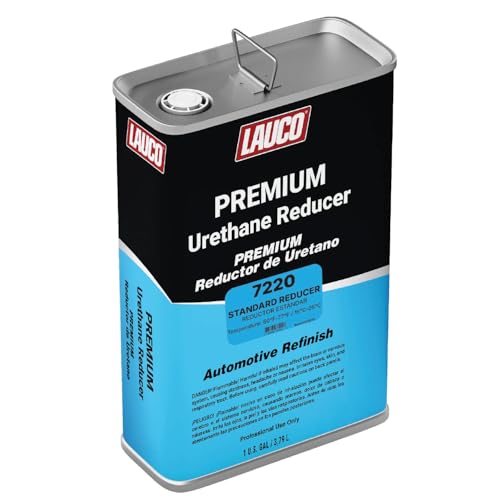
LAUCO Standard Urethane Grade Reducer 7220, 1 Gallon
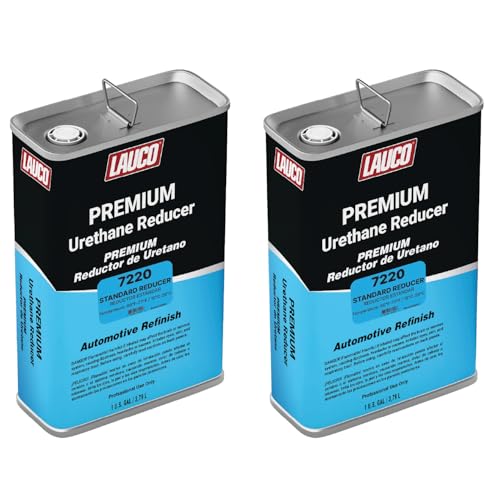
LAUCO Standard Urethane Grade Reducer 7220, 2 Gallons
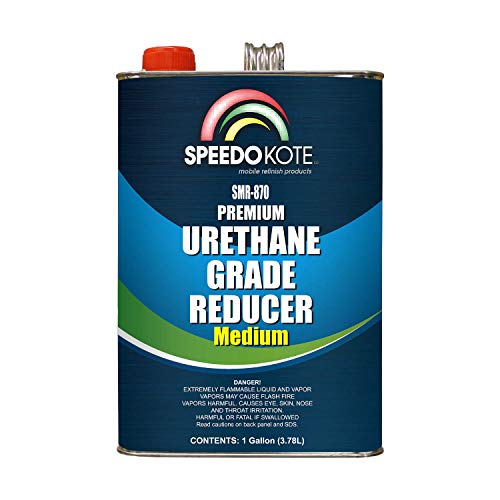
Speedokote SMR-870 Universal Medium Urethane Grade Reducer, One Gallon
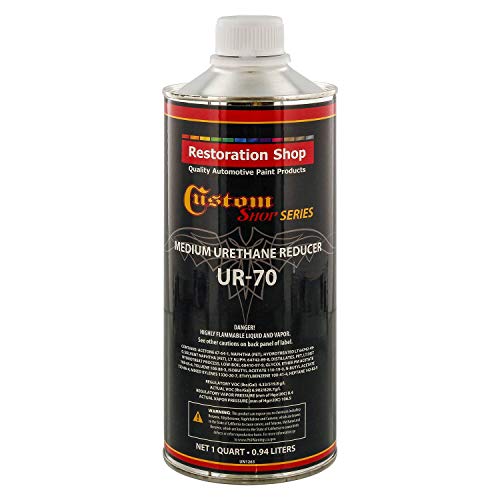
Restoration Shop UR70 Medium Urethane Reducer, Quart

Restoration Shop UR70 Medium Urethane Reducer, Gallon
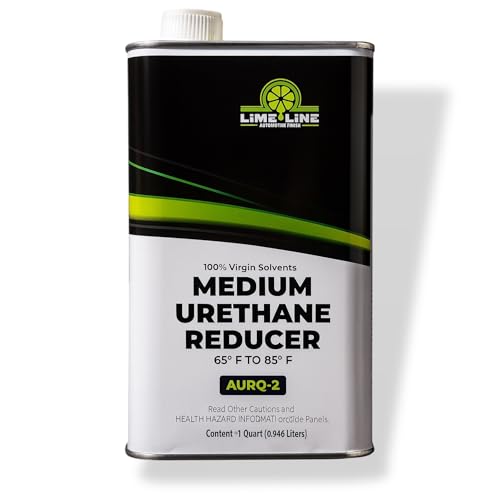
LiME LiNE Urethane Medium Reducer, 1 Quart
More Details On Our Top Picks
Heat-heavy spray work is where the 7250 makes the most sense, because extra-slow reducers are meant to keep urethane coatings open longer in high temperatures. That longer working window matters on large panels, especially when you want the film to settle instead of flashing too quickly. The trade-off is plain, though, it’s less appealing in cooler shops where a slower reducer can feel sticky or draggy.
Compared with the standard LAUCO 7220, this version is the hotter-climate match and the more specialized choice. You get a 1-gallon container, which suits a repair bay, a restoration garage, or repeat touch-up work without forcing you into oversize storage. The honest read is that it’s best for controlled spray jobs, not casual all-purpose use.
Strong Points
- Extra-slow timing gives the coating more open time in hot conditions.
- 1-gallon size fits recurring work without taking over shelf space.
- Useful for automotive and industrial paint setups that need a slower cut.
- Helps reduce the rush that can show up on larger panels in heat.
Things To Consider
- Feels too slow for cooler spray environments.
- Works best in a shop that stays firmly in the hotter range.
- Like most solvent products, container storage and lid sealing matter once opened.
Feature Snapshot
Who It Suits Best
Hot-climate restorers and shop work that needs a slower urethane cut get the most out of this one.
Where A Sibling Pick Shines
LAUCO Standard Urethane Grade Reducer 7220, 1 Gallon suits broader temperature windows better, so it’s the cleaner match for milder shop conditions.
The 7230 sits in a warmer operating band than the standard 7220, so it’s the more natural pick for midsummer work or heated shops. Slow reducers sit between medium and extra-slow timing, which helps paint stay workable without feeling overly sluggish. You may find that balance useful on refinishing jobs where temperature shifts during the day.
Compared with the extra-slow LAUCO 7250, this version gives up some open time in exchange for a more versatile warm-weather fit. The 1-gallon size keeps it manageable for regular use, and that makes sense for shops that spray often but not in massive volume. The main caveat is simple, it’s not the one to reach for once conditions start cooling off.
What We Like
- Warm-weather range suits a lot of real shop days.
- Slow timing gives a practical middle ground for flow and leveling.
- 1-gallon packaging fits normal refinishing volume.
- Works well for automotive and industrial spray work without excess complexity.
Worth Noting
- Less forgiving than an extra-slow reducer in intense heat.
- Not the first choice for cool garages or early-season spraying.
- Storage and resealing still matter for solvent products after opening.
At A Glance
Made For
Warm-weather refinishing crews and home garages that sit in the upper temperature range will get the most from it.
Another Choice May Suit
Speedokote SMR-870 works well for a similar temperature band, and that makes it a useful comparison for anyone narrowing down a universal medium option.
This is the clean middle-ground LAUCO option, and that matters because most garage work lives in moderate temperatures rather than the extremes. The 60°F to 77°F range lines up with typical shop conditions, so the reducer is built for the kind of days that come up again and again. For touch-ups, panels, and normal spray work, that makes the 7220 easy to place.
Compared with the slow and extra-slow versions in this lineup, the standard timing is simpler to live with for general use. The source also points to corrosion and rust inhibitors, which can be a meaningful detail for storage-minded refinishing setups, even though you should still keep solvent handling clean and organized. It’s not flashy, but for regular automotive paint work, that’s often the right answer.
Upsides
- Standard timing fits common shop temperatures without much guesswork.
- Works for automotive and industrial paint use, so it stays versatile.
- Corrosion and rust inhibitor callout adds a practical storage note.
- 1-gallon format suits home garages and smaller repair bays.
Areas To Watch
- Not the right match for very hot spray conditions.
- One-gallon size may be more than you need for occasional touch-up work.
- Like any reducer, it still rewards careful container storage and clean measuring.
Details At A Glance
Who Will Love This
General-purpose refinish work in moderate temperatures is where this reducer makes the most sense.
Look Elsewhere When
LAUCO Slow Urethane Grade Reducer 7230, 1 Gallon is the better seasonal match for warmer conditions.
The two-gallon 7220 keeps the same standard-temperature behavior as the one-gallon version, but the package size changes the ownership story. That extra volume makes sense in a busy garage or a restoration project where you keep mixing the same formula over and over. The trade-off is storage, because larger solvent containers need more shelf space and a bit more discipline.
Compared with the one-gallon LAUCO 7220, this version is for volume and continuity rather than convenience. The corrosion and rust inhibitor callout carries over, so you still get the same practical note for storage-minded work. For people who spray often, that bigger container can feel a lot more efficient than buying smaller jugs one at a time.
Best Bits
- Two-gallon format cuts down on repeat replenishing.
- Standard temperature range keeps it broad and familiar.
- Corrosion and rust inhibitors add a useful maintenance note.
- Good match for restoration shops and frequent refinish cycles.
Small Caveats
- Takes more storage space than the one-gallon version.
- Less convenient for small one-off jobs.
- Open-container care matters more with larger solvent volumes.
Core Details
Whose Shelf It Belongs On
Frequent sprayers and restoration setups that burn through reducer steadily will appreciate the larger container.
Swap It Out When
LAUCO Standard Urethane Grade Reducer 7220, 1 Gallon is the tidier choice for occasional work and tighter storage.
Speedokote’s SMR-870 sits in the useful middle of the temperature range, which makes it easy to place in a lot of garage and booth setups. Medium reducers usually suit conditions where you want a steady spray window without the slower feel of extra-slow formulas. For standard refinishing work, that middle ground can save you from overthinking the mix.
The state note is the main wrinkle, since the listing says a different reducer ships in California, Delaware, and Maryland. Compared with the LAUCO options, this one is a little more situation-specific, but the 1-gallon format still works well for routine use elsewhere. One small aside, that regional note is worth checking before you plan a job around it.
Highlights
- Medium timing fits a broad midrange temperature band.
- 1-gallon size is a sensible amount for regular refinishing.
- Universal positioning helps it fit common paint workflows.
- Good match for shops that want a straightforward middle option.
Points To Note
- Regional shipping note adds an extra check before purchase.
- Less tailored than the LAUCO temperature-specific choices.
- Solvent storage and lid care still matter after opening.
Feature Rundown
Who Should Grab It
Shop setups that live in moderate weather and want a universal medium reducer will find this an easy fit.
A Better Fit Elsewhere
Restoration Shop UR70 Medium Urethane Reducer, Gallon suits anyone who wants a similar midrange reducer with a clearer quart-or-gallon brand path.
The quart size is the big reason this UR70 stands out, because small-batch paint work usually doesn’t need a full gallon on the shelf. Mid-temperature reducers like this one fit 70°F to 85°F conditions, which lines up well with spring and fall garage sessions or controlled indoor spray work. You may find the smaller package easier to live with if your projects stay occasional.
Unlike the larger LAUCO gallons, this Restoration Shop quart feels better suited to compact storage and tighter job planning. The source also lists use with acrylic enamel, acrylic urethane, basecoat, primer, and clearcoat systems, which gives it a wide working lane. The trade-off is straightforward, you give up bulk efficiency in exchange for a more manageable container.
Reasons To Buy
- Quart size works well for small jobs and touch-up work.
- Mid-temperature range covers a practical chunk of the season.
- Broad coating compatibility makes it useful across common refinish systems.
- Easy to store in a crowded garage or cabinet.
Room For Improvement
- Quart format is less efficient for bigger jobs.
- Not the best match for very hot conditions.
- Smaller containers can require more frequent restocking in active shops.
Quick Facts
Best Suited To
Home garages and small repair jobs are the cleanest fit for this quart container.
Reach For A Different Pick When
Restoration Shop UR70 Medium Urethane Reducer, Gallon makes more sense for larger paint sessions and fewer container changes.
The gallon version is the more workshop-friendly take on UR70, especially for people who keep the same reducer in rotation for repeated jobs. Its 70°F to 85°F temperature band lines up with mid-temperature spraying, and that makes it a tidy match for many repair bays. The larger package brings less refill hassle, though it does ask for more shelf room.
Compared with the quart UR70, this one is built for continuity rather than compactness. The compatibility notes cover acrylic enamel, acrylic urethane, basecoat, primer, and clearcoat systems, so it’s broad enough for multi-step refinishing work. The honest read is that this is the better long-run container, not the better pick for one-off touch-ups.
Best Bits
- Gallon size fits active shops and repeated refinishing cycles.
- Mid-temperature range keeps it useful through a broad warm season.
- Coating compatibility spans several common automotive systems.
- Less frequent restocking than the quart version.
Honest Caveats
- Needs more storage room than the smaller UR70 quart.
- Feels excessive for the occasional touch-up user.
- Like other solvent reducers, clean sealing and storage still matter.
Feature Card
The Right Fit
Busy garages and anyone spraying often at mid temperatures will get the cleanest fit from this gallon container.
Where A Sibling Pick Shines
Restoration Shop UR70 Medium Urethane Reducer, Quart is the tidier option for smaller projects and tighter storage.
LiME LiNE takes a broad compatibility route, since it’s meant for basecoats, primers, and clearcoats rather than one narrow coating type. That makes it useful in mixed-system shops where you don’t want separate reducers for every step. The quart size keeps it compact, so you can store it without carving out much shelf room.
Compared with the more temperature-specific LAUCO and Restoration Shop choices, this one leans on general versatility. The source also notes corrosion and rust inhibitors, which is a practical detail for a product you may keep around between projects. One small caveat, the listing information is lighter than some of the others here, so this works best for shoppers who value the broad coating fit first.
Positives
- Works across basecoats, primers, and clearcoats.
- Quart size is easy to store and handle for smaller jobs.
- Corrosion and rust inhibitor note adds a useful storage angle.
- Good fit for mixed coating systems in a home or small shop.
Minor Gripes
- Less temperature-specific than several other picks in this roundup.
- Quart capacity is better for smaller volumes than high-output work.
- Source detail is leaner, so the fit relies more on general use needs.
Technical Sheet
Built With In Mind
Mixed coating work in a smaller garage is where this reducer makes the most sense.
Skip It When
LAUCO Standard Urethane Grade Reducer 7220, 1 Gallon is the more temperature-anchored choice for general shop conditions.
How To Choose The Right Automotive Paint Reducers
Match The Reducer To The Shop Temperature
Temperature is the first thing you should line up, because reducers are built around how fast the coating needs to move and level. Extra-slow formulas fit hotter conditions, slow formulas suit warm rooms, and standard or medium reducers cover the more ordinary middle ground. That match matters in a real garage, where a formula that’s too fast can flash before you’re ready and one that’s too slow can leave the film hanging longer than you want.
You get the cleanest workflow when the reducer tracks the ambient temperature of the space where you spray, not the weather forecast outside. A midsummer booth and a cool home garage call for different timing, even with the same paint line. In practice, that’s why the LAUCO 7250, 7230, and 7220 lineup is easy to sort once you know the room temperature.
Check Coating Compatibility Before Anything Else
Compatibility matters because reducers are meant to work with specific coating families, such as urethane topcoats, primers, basecoats, and clearcoats. Some picks in this roundup are broad enough for several systems, while others are more focused on urethane use. That difference matters when you’re working through a full refinish and don’t want the reducer choice to become the weak link.
For mixed shops, a reducer that covers multiple coating types can simplify shelf space and ordering. For a more specialized workflow, a temperature-targeted urethane reducer can make more sense than a general solvent. The better choice is the one that matches the paint system you already use most often.
Choose Package Size For Your Real Volume
Container size changes how the product lives in your shop. A quart works well for touch-ups, small panels, and low-volume use, while a gallon or two-gallon container suits frequent spraying and repeated mixes. Bigger containers can be more efficient over time, but they also take more storage room and need tighter handling once opened.
That trade-off is easy to overlook until the shelf starts filling up. A hobby garage usually benefits from the smaller Restoration Shop quart, while a busy repair space gets more mileage from the gallon and two-gallon LAUCO options. Think in terms of how often you spray, not just how much you hope to do someday.
Look At The Small Details That Affect Cleanup And Storage
Some source notes mention corrosion and rust inhibitors, which can matter for storage expectations and general handling awareness. It doesn’t change the spraying job itself, but it does give you a clue about how the product is positioned and how it may sit between projects. Solvent products still reward sealed lids, orderly measuring, and a dry storage spot.
You should also pay attention to regional shipping notes and any special listing restrictions, since those can change which reducer actually arrives. That kind of detail is easy to miss when the focus stays on temperature only. A careful check up front saves a lot of setup friction later.
Things Worth Knowing First
Common Shopping Slip Ups
Shoppers often miss the temperature band and end up with a reducer that works against the room. That’s especially common when a garage runs cooler at night or hotter than expected during the day. The fix is simple, match the formula to the space where you actually spray.
Another common mistake is choosing by container size before confirming the coating system. A gallon sounds convenient, but a quart can be the better fit for small batches and tighter shelves. The product that looks smallest on paper can be the one that feels easiest to live with.
What The Higher Tier Buys
More specialized reducers usually cost more because they’re tuned to a narrower temperature window or a broader coating range. That extra tuning matters when you need predictable spray behavior across a full refinishing session. You’re paying for better fit, not a magical finish.
Higher-tier options also tend to make more sense in shops that spray often, because the time saved on adjustment and rework adds up. For occasional use, a simpler midrange formula is often enough. For regular refinishing, the upgrade is easier to justify.
Final Thoughts
Your best match comes down to temperature, coating family, and package size, in that order. LAUCO’s 7220 and 7250 versions give you clear climate bands, Speedokote covers the warm middle, and Restoration Shop brings compact and gallon-size choices with broad coating support. LiME LiNE is the flexible pick for mixed systems, especially in smaller spaces. Pick the reducer that matches the room you spray in most often, and the rest of the job gets a lot smoother.
