

Bare metal, old panels, and mixed substrates call for primers that match the job instead of just filling space on a shelf. These eight Automotive Paint Primers cover spray cans, epoxy kits, urethane build coats, and prep accessories, so you can match the surface, the workflow, and the finish you want. Some are better for rust-sensitive metal, others for plastic-adjacent parts, and a few make sense only when you need faster prep or higher build. That mix matters, especially in a home garage where one wrong layer can slow everything down.
Quick Look At The Shortlist

LAUCO Self Etching Primer Grey Aerosol Spray Can Pack of 6

Custom Shop Black DTM Epoxy Primer/Sealer 1:1 Quart Kit
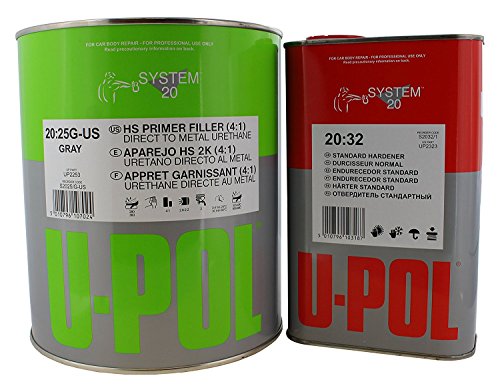
U-POL 1 Gallon 4.2 VOC High Build Urethane Primer Kit

S SATC 6 x 9 Maroon General Purpose Scuff Pads 10 Pack

Rust-Oleum 249321 Automotive Primer Sealer Spray 12 oz Gray

Rust-Oleum 8781502 Stops Rust Flat Aluminum Primer Quart

U-POL Adhesion Promoter Strong-Hold Clear Spray

U-POL Etching Primer Strong-Hold Gray Spray
More Details On Our Top Picks
LAUCO is built around a clear job, bonding to bare metal before the next coating goes on. The self-etching formula matters because etching means the primer lightly bites into the surface, which helps the next layer grab better on metal, aluminum, and galvanized steel.
That makes sense for truck bed liner prep, bracket work, or repairs where exposed metal needs a fast first layer. The trade-off is straightforward, though, aerosol convenience gives you speed and reach, but not the same control as a mixed spray gun setup on large panels.
Strong Points
- Combines etching and priming in one step, which simplifies bare-metal prep.
- Useful on tricky substrates such as galvanized steel and aluminum.
- Gray color gives you an easy visual base before the next coat.
- Fast drying helps you keep a repair moving without long pauses.
- Pack of six suits repeated projects, shop use, or shared garage work.
Things To Consider
- Aerosol format is convenient, but it is less adaptable for very large panels.
- Surface prep still matters, especially on oily or rusty metal.
- Spray cans create overspray, so masking and cleanup planning are part of the job.
Feature Snapshot
Who It Suits Best
Truck owners, garage hobbyists, and repair work that starts on exposed metal will get the most from this one.
Where A Sibling Pick Shines
Custom Shop Black DTM Epoxy Primer/Sealer 1:1 Quart Kit suits mixed-surface restoration better when you want a more buildable epoxy system.
This Custom Shop kit leans into flexibility, since a 1:1 mix ratio keeps the process easy to understand and the DTM label means direct-to-metal use. That matters on restoration work where you may move between bare steel, aluminum, fiberglass, body filler, or sanded OEM finish without swapping systems.
Compared with LAUCO’s aerosol approach, this is the more deliberate setup for a full project. The trade-off is plain, you get a mixed kit and a more hands-on workflow, which rewards anyone who wants control more than speed.
What We Like
- Direct-to-metal use keeps the system practical for restoration and repair.
- 1:1 mix ratio is easy to measure and repeat.
- Works across a broad set of substrates, including fiberglass and properly prepared plastics.
- Epoxy format suits jobs where adhesion and sealing matter together.
- Quart kit size fits a project bench better than a single aerosol can.
Worth Noting
- Mixing adds a step, so it is less grab-and-go than a spray can.
- Project planning matters more because the kit format suits prepared work.
- Black primer can make coverage checks harder on dark panels until the top layer goes on.
Core Details
Made For
Restoration hobbyists and detail-focused garage work will get the most value from this kit.
A Better Fit Elsewhere
U-POL 1 Gallon 4.2 VOC High Build Urethane Primer Kit suits panel leveling better when you need more filling body than an epoxy sealer usually provides.
High-build primers earn their keep on panels that need filling and leveling, and this U-POL kit sits squarely in that lane. High solids means more material remains after the carrier flashes off, so you get a thicker film that can help soften the look of sanding marks and minor surface irregularities.
Compared with the Custom Shop epoxy sealer, this one is less about bare-metal sealing and more about building a surface you can refine. The 60 to 95 F hardener range gives you a practical temperature window, though project timing still matters because urethane work is less forgiving than a simple spray can.
Highlights
- High-solids formula is suited to surface leveling work.
- One-gallon kit size makes sense for larger repair plans.
- 4 to 1 mixing ratio is straightforward once you settle into a routine.
- Standard hardener temperature range helps with common shop conditions.
- Better fit than aerosol primers for panel build and refinement.
Room For Improvement
- Mixing and application take more setup than a ready-to-spray aerosol.
- High-build material needs sanding discipline, so cleanup work becomes part of the process.
- Not the leanest choice for tiny touchups where a small can would be easier.
At A Glance
Built With In Mind
Panel restorers and garage painters who need build rather than just sealer performance will appreciate this one most.
Swap It Out When
Rust-Oleum 249321 Automotive Primer Sealer Spray fits better for small spot repairs or quick aerosol work on a tight schedule.
Scuff pads like these sit one step before primer or topcoat, and that step matters more than it looks. A maroon pad usually lands in the medium-to-heavy abrasion range, so it helps rough up a finish, knock back oxidation, and create a toothier surface for primer to grip.
Compared with liquid primers in this roundup, this is the prep tool that makes the liquid work better. You may find the 6 x 9 size handy on trim, small body sections, or restoration parts, while the manual format stays quiet and controlled in a cramped garage.
Positives
- Useful for scuffing before primer, which improves surface adhesion.
- Medium-to-heavy action helps with dulling glossy finishes and worn coatings.
- Large pad size gives you more usable surface area per sheet.
- Pack of ten supports repeated prep sessions.
- Hand use gives you more control around edges and tight shapes.
Softer Spots
- Manual prep takes more effort than power sanding on larger jobs.
- Pad wear depends on how rough the surface is, so storage and handling matter.
- Not a coating itself, so it belongs in a prep step rather than the finishing stage.
Details At A Glance
Whose Shelf It Belongs On
Detail-minded hobbyists and restoration work that starts with hand prep will get the most value here.
Skip It When
U-POL 1 Gallon 4.2 VOC High Build Urethane Primer Kit fits better when you need the coating itself to do the filling after sanding.
Rust-Oleum keeps this one simple, and that simplicity is the point. The primer-sealer format helps create a base layer that keeps later paint from soaking too deeply into porous or uneven surfaces, which is useful on patch panels, wood pieces, fiberglass, and other mixed materials around a garage.
The any-angle spray design makes it easier to cover odd positions without wrestling the can, which is handy on underbody touchups or tight corners. Compared with LAUCO’s pack of six, this is the shorter-run option for single jobs or smaller repairs, though you still need decent masking discipline around overspray.
Bright Spots
- Works on metal, wood, fiberglass, and other repair surfaces.
- Stops Rust formula is aimed at corrosion-prone areas.
- Fast touch-dry time helps you keep a small job moving.
- Coverage per can is practical for touchups and spot repairs.
- Any-angle spray is useful around awkward shapes and positions.
Areas To Watch
- Single-can format is better for smaller projects than full restorations.
- Spray control depends on technique, especially near trim and edges.
- On larger panels, you may need more than one can to stay consistent.
Quick Facts
Who Should Grab It
Weekend garage work and smaller paint corrections fit this spray well.
Another Choice May Suit
Custom Shop Black DTM Epoxy Primer/Sealer 1:1 Quart Kit fits better for restoration work that needs a mixed sealer instead of a single aerosol can.
This Rust-Oleum primer is tuned for aluminum and galvanized metal, which gives it a more specific lane than the broader Rust-Oleum spray above. The water-based acrylic formula matters here because it creates a protective base with a flatter finish, making it easier to cover with a later coating in exterior or high-use settings.
That focus makes it a strong fit for brackets, sheet parts, and parts that live through weather and handling. The trade-off is that it is less of a universal shop spray and more of a substrate-matched primer, so the benefit shows most clearly on the surfaces it was made for.
What We Like
- Targeted for aluminum and galvanized metal, which helps narrow the fit.
- Water-based acrylic construction gives it a practical shop-friendly profile.
- Flat gray finish works well as a base coat.
- Coverage range is broad enough for several medium repair jobs.
- Good match for parts that face weather or heavy use.
Points To Note
- More specialized than a general-purpose aerosol primer.
- Quart format asks for a more planned application approach.
- On non-aluminum jobs, another primer in this list may make more sense.
Feature Card
The Right Fit
Restoration projects built around aluminum or galvanized parts will benefit most from this primer.
Reach For A Different Pick When
Rust-Oleum 249321 Automotive Primer Sealer Spray suits smaller spot repairs better when you want an aerosol can instead of a quart system.
Adhesion promoter sits a step before primer, and that distinction matters on plastic trim, moldings, and mixed metal-plastic assemblies. This U-POL spray is clear, fast-drying, and shaped for helping later coatings hold on parts like bumpers, mirror covers, wheels, and underhood pieces.
Compared with the self-etching primers in this list, it is not trying to bite into bare metal in the same way. The upside is coverage on surfaces that are harder to bond to, while the catch is that prep still has to be clean and controlled or the result will suffer.
Upsides
- Clear finish keeps it visually unobtrusive under later coats.
- Made for both metal and plastic vehicle parts.
- Useful on parts where sanding access is awkward.
- Fast drying helps you keep trim work moving.
- Anti-clog nozzle design supports steadier spray sessions.
Softer Spots
- Surface prep still matters, especially on glossy or greasy parts.
- Best suited as a bonding step, not as a stand-alone repair layer.
- Plastic and trim use cases are the main reason to choose it.
Core Details
Perfect Match For
Trim work, plastic panels, and mixed-material exterior parts are the strongest fit here.
Look Elsewhere When
U-POL Etching Primer Strong-Hold Gray Spray is the better match for bare metal that needs a true etching step first.
This U-POL spray is for bare metal prep, plain and simple. The self-etching approach helps the coating lock onto galvanized steel, aluminum, and fiberglass before overpainting, which gives it a clear purpose in restoration and repair work.
Compared with the broader adhesion promoter, this one is more surface-specific and more rooted in metal prep. The honest read is that it asks for proper cleaning, sanding, and masking first, but that same discipline is what makes the finish line easier later.
Reasons To Buy
- Strong fit for bare metal, especially galvanized steel and aluminum.
- Self-etching action helps the next coat hold more securely.
- Gray finish gives you a useful visual base.
- Fast-drying spray format suits repair work in a busy garage.
- Anti-clog nozzle helps keep application more consistent.
Minor Gripes
- Not suitable on plastics, so it has a narrower role than the adhesion promoter.
- Prep work still needs care, especially cleaning and masking.
- Spray format is convenient, but larger jobs may call for more product than one can offers.
Feature Rundown
Who Will Love This
Metal restoration work and panel prep for overpainting are the right fit for this primer.
A Better Fit Elsewhere
U-POL Adhesion Promoter Strong-Hold Clear Spray suits plastic trim and mixed-surface parts better when bare metal is not the main concern.
How To Choose The Right Automotive Paint Primers
Match The Primer To The Surface
Bare steel, aluminum, galvanized panels, fiberglass, and plastic all ask for slightly different chemistry. Self-etching primers matter on bare metal because they help the coating bite into the surface, while adhesion promoters are better suited to plastic trim and mixed-material parts. That distinction saves you from using a product that looks right on paper but behaves poorly on the panel.
Decide Between Spray Convenience And Mixed-System Control
Aerosol primers suit fast touchups, small panels, and work where reach matters more than absolute control. Mixed kits, such as epoxy or high-build urethane, ask for more setup but give you better control over film thickness, build, and coverage planning. For a weekend driveway repair, a can often makes sense; for a longer restoration path, a kit usually earns its place.
Pay Attention To What The Next Coat Needs
Primer is not just about color, it sets the stage for filler, sealer, or topcoat behavior. A high-build urethane helps level minor sanding marks, while an epoxy sealer is useful when you want a tighter base over multiple substrate types. Pick the layer that solves the actual problem in front of you, not just the layer with the biggest label.
Keep Prep Work In The Budget
Cleaning, degreasing, scuffing, and masking are part of the purchase, even when the can looks simple. A product with anti-clog spray hardware or a forgiving mix ratio helps, but surface prep still does most of the heavy lifting. In a busy garage, the primer that matches your prep routine is usually the one that feels easiest to live with.
Things Worth Knowing First
Common Shopping Slip Ups
A common mistake is choosing a universal-looking primer for a surface that needs something more specific, like self-etching on bare metal or adhesion promotion on plastic. Another is underestimating how much prep work a product expects before spraying, since dirty or glossy parts can make even a good coating perform poorly. You also want enough product for the size of the job, because small cans disappear quickly on larger panels.
The Upgrade Payoff
Higher-tier primers usually cost more because they solve more than one problem at once. Epoxy kits can seal and bond across several materials, while high-build urethane adds body for sanding and surface leveling. That extra spend makes sense on restoration work, mixed-material builds, and panels you plan to finish carefully, but it can be overkill for a small bracket or quick touchup.
Final Thoughts
For Automotive Paint Primers, the right choice comes down to the surface in front of you and how much control you want over the process. LAUCO and U-POL’s etching spray options make the most sense for bare metal prep, while Custom Shop and the U-POL gallon kit suit more deliberate work on restorations or panel leveling. Rust-Oleum’s smaller sprays keep things simple for spot jobs, and the scuff pads matter because prep still drives the outcome. Match the primer to the material, the scale, and the finish path, and the job gets cleaner from the first coat onward.
