

Road noise, panel vibration, exhaust heat, and rattling trim can make an ordinary commute feel far less comfortable. You can address those problems with automotive insulation placed on doors, floors, roofs, trunks, hoods, and other metal panels. The right material depends on your coverage target, thickness preference, installation format, and whether heat control matters as much as sound reduction. This shortlist includes compact sheet packs, large-area rolls, and layered barriers for daily drivers, restoration projects, and hands-on cabin upgrades.
The Shortlist At A Glance

Siless Hybrid 3in1 200 mil Car Sound Deadening Mat

KOIKEY Car Sound Deadening Mat 197 Mil 8.7 Sqft

200mil 36.16 Sqft Car Sound Deadening Mat Closed Cell PE Foam

Storystore 394mil Car Sound Deadening Mat Heat & Noise Insulation
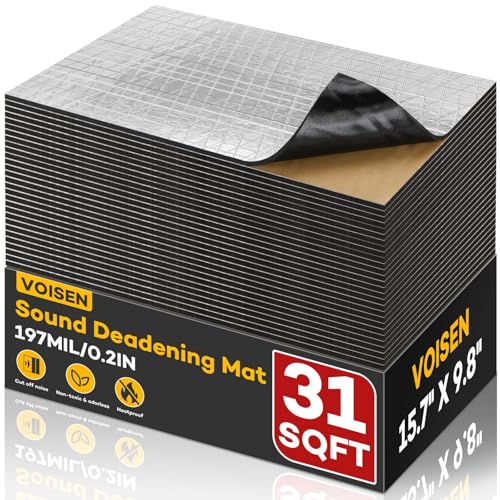
VOISEN Sound Deading Material for Cars 197 mil 31 sqft
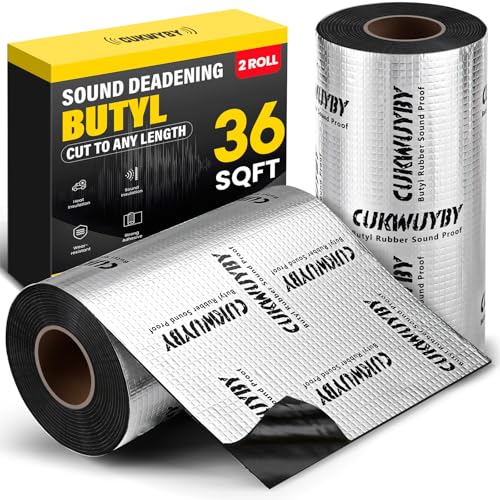
CUKWUYBY Butyl Sound Deadening 36 sqft Noise & Heat Insulation
More Details On Our Top Picks
Three distinct layers give this Siless mat a broader job description than a basic foam liner. Butyl mastic handles panel vibration, PE foam adds separation and insulation, while the mass-loaded butyl membrane targets lower-frequency sound, making the combination useful across doors, floors, and areas near heat sources.
That layered construction suits a daily commuter who wants one material for several cabin problems rather than combining separate sheets. You may find the thick composite takes more careful trimming around tight contours, but the 25-square-foot coverage gives a substantial starting point for a focused cabin project.
Strong Points
- Three functional layers reduce the need to coordinate separate damping and insulation materials.
- 25 square feet supports broader coverage than the compact KOIKEY pack.
- Mass-loaded material is suited to road and exhaust-related low-frequency noise.
- PE foam creates a useful buffer between the treated panel and interior trim.
- The composite format can simplify planning for a mixed sound and heat project.
Things To Consider
- Its combined thickness can require more trimming and firm rolling around curves.
- Large layered sheets need clean, dry storage before installation to protect the adhesive surface.
Key Specs
Who It Suits Best
You’ll appreciate this choice for a mid-size cabin project requiring vibration control, sound insulation, and heat buffering in one layered material.
Where Another Pick Suits Better
Choose CHAOGANG 200mil 36.16 Sqft Car Sound Deadening Mat instead for larger floor, roof, and trunk coverage with a closed-cell foam format.
Small sheet packs make sense for targeted repairs, and KOIKEY supplies 8.7 square feet across eight pieces. Each 9.8-by-15.7-inch section is easier to position inside a door cavity or trunk corner than a wide roll, especially for a first installation.
The listed 197-mil aluminum, foam, and butyl construction combines a reflective outer surface with cushioning and damping layers. For a single-door refresh or localized rattle project, that manageable format may be less wasteful than purchasing broad coverage, although it won’t suit a full-cabin treatment without additional material.
What You Like Here
- Eight separate sheets make measuring and handling simpler inside confined panels.
- 8.7 square feet fits focused door, trunk, or floor work.
- The 197-mil build offers a middle ground between thin liners and very thick mats.
Worth Noting
- The limited coverage can become restrictive across multiple doors or a complete floor.
- Piece-by-piece installation creates more seams and more cutting decisions.
- Adhesive surfaces generally need thorough degreasing before placement and rolling.
At A Glance
Made For
You’re a strong match for this compact pack as a beginner handling one or two doors, a trunk panel, or a small rattle-prone section.
Consider Something Else When
Storystore 394mil Car Sound Deadening Mat Heat & Noise Insulation suits you better for thicker coverage across a defined 16.8-square-foot area.
Large-area coverage is the defining reason to consider this CHAOGANG roll. The 200-mil closed-cell PE foam, a foam structure designed to resist moisture absorption, arrives in a 16.5-inch-wide by 315-inch-long format that can span floors, roofs, doors, trunks, and hood trim.
Its aluminum foil face adds resistance to oil, water, heat, and ultraviolet exposure according to the supplied specifications. That makes it appealing for a larger DIY build, though a long roll demands careful measuring and a clean work surface; you may find sectioning it before installation easier than wrestling with the full length inside the cabin.
Highlights
- 36.16 square feet gives you enough material for broad interior coverage.
- Closed-cell PE foam is suited to areas where moisture exposure is a concern.
- The aluminum surface helps reflect heat and withstand contact with common automotive conditions.
- The long roll format reduces the number of seams across large flat panels.
- The stated temperature range supports varied seasonal use environments.
Trade Offs
- A long roll needs more planning, cutting space, and protected storage than sheet packs.
- Foam-focused construction may appeal less to you when low-frequency damping is the primary goal.
Technical Sheet
Right Fit For
You’ll get the most practical use from this option for a large DIY treatment covering floors, roof panels, trunk sections, or hood trim.
Look Elsewhere When
Siless Hybrid 3in1 200 mil Car Sound Deadening Mat better suits you when one layered barrier must address vibration, low-frequency noise, and heat together.
At 394 mil, Storystore gives you the thickest stated profile in this shortlist. Its 39-by-60-inch sheet covers 16.5 square feet, a useful balance for treating a substantial area without handling the extended roll format of CHAOGANG.
The supplied package also includes an installation roller, while the self-adhesive backing is intended to hold the mat against prepared panels. For a vehicle with noticeable engine or exhaust heat near the cabin, that thickness may be appealing; the trade-off is heavier trimming around contours and a greater need to confirm trim clearance before committing the sheet.
Upsides
- The 394-mil profile gives you a substantial thermal and acoustic barrier.
- 16.5 square feet works well for a floor, firewall-adjacent area, or selected cabin zone.
- The 39-by-60-inch sheet supports broad placement with fewer joins.
- An included roller can make adhesive contact easier during a home installation.
Room For Improvement
- Thicker material can complicate door-panel refitting and tight trim channels.
- The single-sheet format requires careful cutting to limit offcuts.
- Long-term adhesion depends heavily on panel cleaning, pressure, and proper storage before use.
Feature Snapshot
Best Suited To
You’re best served by this mat for a hands-on project focused on thick insulation near engine heat, exhaust heat, or broad floor panels.
Not Your Match When
KOIKEY Car Sound Deadening Mat 197 Mil 8.7 Sqft is more suitable for you when a small, easier-to-handle door or trunk project matters most.
VOISEN takes the manageable thickness of the KOIKEY material and expands it to 31 square feet across 28 pieces. Each 15.7-by-9.8-inch panel gives you a repeatable cutting pattern, which can be helpful across doors, floor sections, and trunk contours.
The aluminum-faced foam construction is designed for flexible DIY shaping and lists a working range of -40°F to 300°F. That combination fits a full interior refresh more naturally than the smaller KOIKEY pack, although 28 individual pieces mean more seams and more placement decisions than a continuous roll.
Bright Spots
- 31 square feet supports broad cabin coverage without requiring one unwieldy sheet.
- Twenty-eight pieces give you flexibility around seats, braces, curves, and trim openings.
- 197-mil thickness balances insulation with easier shaping than Storystore’s 394-mil profile.
- The aluminum surface supports heat-facing applications and straightforward measurement.
- Pre-sized sections can make a staged DIY installation easier to organize.
- The listed temperature range helps you plan placement across varied climates.
Points To Note
- More pieces create more seams than a roll, so layout accuracy matters.
- Storage needs care because loose panels can bend or collect debris on the adhesive side.
Quick Facts
Who Will Love This
You’ll find the strongest fit here as a DIY installer treating several cabin zones and preferring manageable panels over a single continuous roll.
A Better Fit Elsewhere
CUKWUYBY Butyl Sound Deadening 36 sqft Noise & Heat Insulation suits you more for fast coverage across large, mostly flat doors, floors, or roof panels.
For broad, uninterrupted coverage, CUKWUYBY uses a roll rather than individual sheets. The butyl and aluminum composite is intended to sit tightly against metal panels, making it a logical format for doors, floors, and roofs where continuous placement can reduce installation seams.
Its 36-square-foot coverage is close to CHAOGANG’s quantity, but the material emphasis differs: CUKWUYBY foregrounds butyl damping and aluminum insulation, while CHAOGANG centers closed-cell PE foam. You may prefer this roll for a large, fairly flat project, though curved panels and tight corners will require careful cuts and firm application pressure.
Reasons To Choose It
- 36 square feet gives you broad coverage for multi-panel work.
- Roll construction can reduce seams across long floor, roof, and door sections.
- Butyl composite material is aimed at vibration damping and sound insulation.
- The aluminum layer supports heat insulation alongside noise control.
Small Caveats
- Rolls need more open workspace and careful temporary storage than pre-cut pieces.
- The supplied information does not state a thickness, so you cannot compare its panel clearance directly with the 197-mil or 394-mil options.
- Large continuous sections can be awkward around wiring, braces, and sharply curved surfaces.
Core Details
Built With In Mind
You’re likely to benefit most from this roll for a larger DIY installation across broad, accessible vehicle panels.
Another Choice May Suit
VOISEN Sound Deading Material for Cars 197 mil 31 sqft is a better match for you when irregular cabin shapes and individually handled sections take priority.
How To Choose The Right Automotive Noise Insulations
Match Coverage to Your Project
Start with the panels you plan to treat, not the largest package on the listing. Door work often favors compact pieces such as the 8.7-square-foot KOIKEY pack, while a floor, roof, trunk, or multi-door project makes 25 to 36 square feet more practical. Measure each panel, account for wheel arches and wiring openings, then add modest allowance for trimming.
Understand Thickness and Layer Design
Mil means one-thousandth of an inch, so a 394-mil mat has a thicker profile than a 197-mil or 200-mil option. Thickness can provide more material between the cabin and a hot or noisy panel, but it also affects trim clearance, door-card fit, and cutting effort. Layer construction matters too: butyl focuses on damping panel movement, foam adds separation, aluminum reflects radiant heat, and mass-loaded material adds sound-blocking weight.
Choose Sheets or Rolls
Pre-cut pieces help you work around irregular shapes and narrow cavities. VOISEN gives you 28 manageable sections, while KOIKEY keeps the project compact. Rolls such as CUKWUYBY and CHAOGANG can cover long flat areas with fewer seams, yet you need a clean cutting surface and a storage plan before installation.
Plan for Surface Preparation
Adhesive insulation performs best on clean, dry metal. Remove dust, oil, and loose residue before positioning each section, then apply consistent pressure across edges and seams. A roller is included with Storystore, while other options may require you to source an appropriate installation tool separately. Use the listed temperature range as a planning reference, not as a substitute for checking panel location and clearance.
Things Worth Knowing First
Mistakes Worth Dodging
Buying by thickness alone can leave you with too little coverage or trim that no longer fits. Measure doors, floors, roofs, and trunks separately, then compare total area with the number of seams your project can tolerate. You also risk weak adhesion by applying material over dusty or oily panels, so surface preparation deserves as much attention as cutting.
The Upgrade Payoff
Higher-tier construction generally adds more layers, more material, greater thickness, or a format that simplifies broad coverage. Siless combines damping, foam separation, and a mass-loaded membrane, while Storystore emphasizes a 394-mil profile and includes a roller. Spending up makes sense for a large heat-exposed area or a project where one composite layer replaces several separate materials, but a compact KOIKEY pack remains more sensible for one door or trunk section.
Final Verdict
You can match this shortlist to nearly any automotive insulation project by focusing on coverage, thickness, material structure, and installation format. Siless suits mixed sound and heat work, KOIKEY keeps a small repair manageable, and CHAOGANG or CUKWUYBY cover larger areas. Storystore gives you a thick defined sheet, while VOISEN offers flexible pre-cut coverage for a broader cabin refresh. Choose the material that fits your panels and trim clearances, then prepare the surface carefully for a cleaner installation.
