

Automotive liquid glass products cover several very different jobs, from sealing cooling-system cracks to bonding dashboard trim and adding slickness to exterior paint. Your best choice depends on the surface, the type of damage, and whether you need a repair compound, a detailing sealant, or an art medium for a non-automotive project. A weekend mechanic may need copper-filled cooling-system coverage, while a detailer may prefer a spray-on SiO2 formula for cars and RVs. The five options below separate those uses clearly, so you can match the formulation to your garage, workshop, or creative setup.
The Shortlist At A Glance
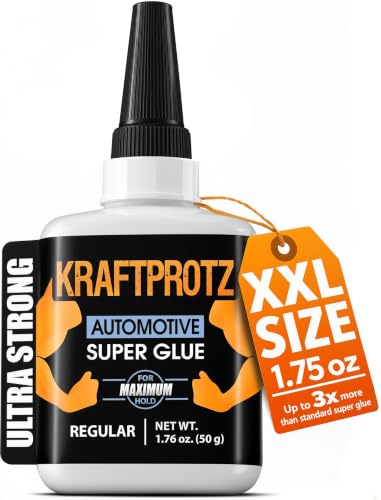
KRAFTPROTZ Automotive Super Glue Liquid 1.75 oz
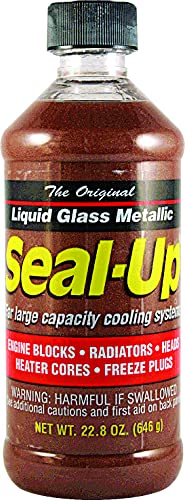
Blue Magic 1116 Liquid Glass Metallic Seal-Up 22.8 oz

Tri-Art 20736 Liquid Glass Pouring Medium 500ml

Blue Magic 1008-24PK Liquid Glass Metallic Seal-Up 11.4 oz
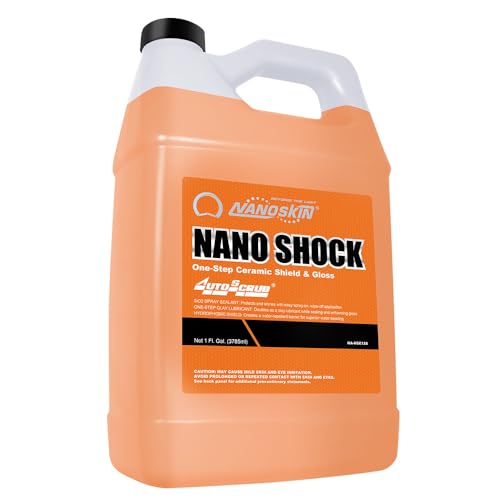
Nanoskin NANO SHOCK SiO2 Sealant 1 Gallon
More Details On Our Top Picks
Small interior repairs call for a different liquid glass than a radiator treatment. KRAFTPROTZ uses a thin cyanoacrylate adhesive, a fast-bonding glue designed to wick into narrow joints, fine cracks, and tight trim gaps rather than sitting as a thick bead.
That format suits loose plastic bezels, rubber trim, metal tabs, and fiberglass pieces around a car, truck, or motorcycle. The clear finish can keep a repair visually discreet, although careful surface preparation matters because the runny consistency can spread beyond the intended joint. You may find the 1.75-ounce bottle especially useful for a home garage where occasional trim repairs matter more than a large repair volume.
Strong Points
- The liquid consistency reaches narrow cracks and recessed joints that thicker adhesives may miss.
- A clear bond helps preserve the appearance of dashboard pieces and interior trim.
- Water resistance and heat resistance suit the changing conditions found inside a vehicle.
- The anti-clog cap supports cleaner storage between repair sessions.
- Compatibility with plastic, rubber, metal, and fiberglass gives you broader repair coverage than a single-material adhesive.
Things To Consider
- The thin formula demands controlled application and stable positioning while the bond sets.
- Owners commonly find that the nozzle and cap need careful cleaning before storage to reduce clogging.
Key Specs
Who It Suits Best
Home mechanics and DIYers handling small interior, trim, rubber, or dashboard repairs benefit most from this narrow-gap adhesive.
Consider Something Else When
Blue Magic 1116 Liquid Glass Metallic Seal-Up 22.8 oz suits garage work involving a cooling system rather than a broken trim component.
Cooling-system repairs need a compound designed for circulation, heat, and metal surfaces, not the narrow-joint bonding approach of KRAFTPROTZ Automotive Super Glue Liquid 1.75 oz. Blue Magic 1116 combines liquid glass with copper to create a copper-ceramic sealing material intended for cooling-system use.
The 22.8-ounce container gives you a substantial quantity for garage maintenance, especially around engine blocks, radiators, heater components, and freeze plugs. Its listed heat tolerance reaches 2,000 degrees Fahrenheit, though the honest read is that application still depends on a clean, compatible system and proper vehicle-service procedures. For most home garages, the larger format makes more sense than a small bottle when several cooling-system components need attention.
What We Like
- The copper and liquid-glass combination targets cooling-system sealing rather than general bonding.
- The 22.8-ounce size gives you more material for workshop maintenance than the 11.4-ounce Blue Magic option.
- A copper-ceramic seal can suit metal cooling components exposed to substantial heat.
- The product’s listed application range includes engine blocks, radiators, heaters, heater cores, and freeze plugs.
Worth Noting
- The large container takes more storage room and may be excessive for a single small repair.
- Cooling-system sealers require careful preparation and correct use, so this isn’t a casual substitute for diagnosing the source of a leak.
- Residue management and system cleanup deserve attention after application, particularly in vehicles with sensitive cooling passages.
Feature Snapshot
Made For
DIY mechanics and garage owners managing cooling-system repairs across engine blocks, radiators, heater cores, or freeze plugs will get the clearest fit.
Not Your Match When
Nanoskin NANO SHOCK SiO2 Sealant 1 Gallon is more suitable for detailers seeking an exterior paint sealant for cars and RVs.
Tri-Art belongs in a studio, not under a vehicle hood. This 500-milliliter pouring medium is an acrylic-art compound that accepts liquid colors, flows across a level surface, and dries to a clear, hard, high-gloss layer resembling glass.
That distinction matters because automotive liquid glass searches can surface unrelated products with the same phrase. Acrylic artists can pour it over a sealed wood panel, tilt the panel to guide the flow, and build another layer after the first has cured. You may find the water cleanup convenient during a busy studio session, while the need for a rigid, level work surface limits casual use.
Highlights
- The clear finish preserves the colors and patterns beneath it.
- A hard, high-gloss surface adds a glass-like appearance to artwork.
- The medium can be poured or mixed with fluid colors for different visual effects.
- Water cleanup makes tools easier to manage during active projects.
- Additional layers can be added after the underlying coat cures.
Trade Offs
- The formula is for acrylic art and has no role in vehicle trim, cooling systems, or exterior paint care.
- A level, rigid, sealed surface is necessary, so storage and workspace preparation take planning.
Quick Facts
Right Fit For
Acrylic pour artists and craft users who want a clear, glossy top layer on rigid sealed panels are the strongest match.
Look Elsewhere When
KRAFTPROTZ Automotive Super Glue Liquid 1.75 oz is the appropriate direction for small vehicle-component bonding rather than canvas or panel finishing.
Blue Magic 1008-24PK uses the same basic repair category as the larger Blue Magic 1116, but its 11.4-ounce format is easier to store and better matched to a smaller cooling-system job. The liquid-glass and copper blend is intended for cracks affecting engine blocks, radiators, heaters, heater cores, and freeze plugs.
Its listed capacity covers systems up to six gallons, which gives you a concrete compatibility point for vehicle maintenance. The formula also carries a listed heat tolerance of up to 2,000 degrees Fahrenheit. Depending on your vehicle and the leak location, the smaller container may be all you need, though a larger garage inventory could favor Blue Magic 1116 instead.
Upsides
- The 11.4-ounce container occupies less shelf space than the 22.8-ounce Blue Magic formulation.
- Listed use across blocks, radiators, heater cores, heaters, and freeze plugs covers several cooling-system repair points.
- The copper component supports a metallic sealing approach for cooling-system applications.
Minor Gripes
- The smaller volume may be less convenient for repeated shop use or several vehicles.
- Cooling-system preparation, application, and post-use cleanup still require careful attention.
- This is a targeted cooling-system compound, not a general adhesive or paint-care liquid.
- Owners managing larger systems should confirm that the six-gallon listed capacity suits the intended application.
Details At A Glance
Best Suited To
DIY mechanics handling a smaller cooling-system repair or maintaining a compact garage inventory will find this size practical.
A Better Fit Elsewhere
Blue Magic 1116 Liquid Glass Metallic Seal-Up 22.8 oz is a stronger fit for frequent shop work or multiple cooling-system repairs.
Exterior paint care is where Nanoskin NANO SHOCK SiO2 Sealant 1 Gallon separates itself from every repair compound in this roundup. SiO2, or silicon dioxide, is the glass-forming ingredient used here in a liquid spray sealant that adds slickness and a water-shedding surface to cars and RVs.
The spray-on, wipe-off process fits regular detailing routines, especially for a large vehicle or a busy shop that needs a gallon format. You can use it on ceramic-coated surfaces as a maintenance layer or on non-coated paint as a standalone sealant. The catch is storage and handling: a gallon requires more room, and careful panel-by-panel wiping helps prevent uneven residue.
Bright Spots
- Spray-on, wipe-off use keeps application more practical than a heavy paste or multi-stage coating process.
- The SiO2 formulation adds slickness and a hydrophobic finish to exterior surfaces.
- Compatibility with coated and non-coated surfaces gives detailers more workflow flexibility.
- The one-gallon quantity suits repeated car care, RV maintenance, or shared shop use.
- Its purpose is clearly exterior-focused, so you won’t confuse it with Blue Magic 1008-24PK cooling-system sealer.
Points To Note
- The gallon container takes substantial storage space and makes less sense for occasional one-car care.
- Spray-and-wipe products need even coverage and attentive towel work to limit streaks or residue.
Core Details
Who Will Love This
Detailers, RV owners, and households caring for multiple vehicles benefit most from the large-volume exterior spray sealant.
Where A Sibling Pick Shines
KRAFTPROTZ Automotive Super Glue Liquid 1.75 oz is a better fit for a single cracked trim piece or tight interior joint.
How To Choose The Right Automotive Liquid Glasses
Start With The Repair Category
The phrase “liquid glass” doesn’t identify one universal formula. Thin cyanoacrylate adhesive bonds trim and small components, while copper-and-glass sealers target cooling-system cracks. SiO2 detailing sealants sit on exterior paint, and acrylic pouring medium belongs in art studios.
Match the chemistry to the job before comparing container size. A large bottle of the wrong formulation won’t help with a dashboard crack, radiator seepage, or paint maintenance.
Match The Surface And Environment
Interior trim faces vibration, temperature changes, and repeated contact, so a clear adhesive with material compatibility matters. Cooling-system compounds need an appropriate vehicle system and careful preparation around circulating fluid and heat. Exterior paint sealants need an application process that suits the panel size and your available towels, shade, and workspace.
Commuters repairing a loose bezel have different needs from RV owners maintaining a large exterior. Define the surface first, then consider volume.
Think About Quantity And Storage
The 1.75-ounce KRAFTPROTZ bottle fits occasional detail repairs, while the 11.4-ounce and 22.8-ounce Blue Magic containers address cooling-system maintenance at different scales. Nanoskin’s one-gallon format makes more sense for repeated detailing than for a single vehicle used on weekends.
Storage also affects usability. Thin adhesive needs a clean cap and controlled placement, liquid sealers need suitable garage storage, and a gallon jug needs room that won’t interfere with everyday tools.
Separate Convenience From Finish
Spray-on, wipe-off application is convenient for exterior care, but even wiping still matters for a uniform finish. Pouring medium provides a hard, glossy surface, but you need a rigid level panel and curing space. Adhesive repairs can be quick to apply, although thin formulas reward patience and precise alignment.
For a daily-driver interior, choose control and compatibility. For a detailing routine, prioritize coverage and workflow. For studio work, focus on clarity, gloss, and cleanup.
Before You Choose
Mistakes Worth Dodging
Choosing by the phrase “liquid glass” alone can lead you toward a product meant for an entirely different surface. Check whether the item is an adhesive, cooling-system sealer, exterior sealant, or acrylic medium before placing it in your cart.
Volume can also mislead you. A one-gallon detailing jug is excessive for an occasional trim repair, while a small adhesive bottle won’t address a cooling-system application. Match the quantity to your repair frequency and storage space.
What Separates Premium From Basic
Higher-tier options usually justify their position through a more specialized formula, broader material compatibility, larger working volume, or a simpler application method. Nanoskin NANO SHOCK, for example, combines SiO2 chemistry with spray-on, wipe-off use and compatibility with coated and non-coated vehicle surfaces.
Spending more makes sense for recurring detailing, multiple vehicles, or a repair involving several compatible components. For one small interior bond, focused chemistry matters more than a larger container or broader category label.
Final Verdict
Your choice should follow the surface and repair type, not the shared “liquid glass” wording. KRAFTPROTZ suits narrow interior bonds, Blue Magic 1008-24PK and 1116 address cooling-system applications at different volumes, and Nanoskin NANO SHOCK fits exterior paint and RV care. Tri-Art belongs with acrylic pouring and glossy art finishing, making it the clear outlier in this group. Start with the intended application, confirm the listed compatibility, and choose a quantity that fits your storage space and normal maintenance routine. That approach keeps your garage shelf focused and your next repair more predictable.
