

Auto sealants help you close body-panel seams, seal threaded fittings, protect painted surfaces, or keep water away from trim and exterior joints. You’ll find major differences between polyurethane, silicone, thread sealant, and paint-protection formulas, so matching the chemistry to the repair matters more than choosing by appearance alone. This roundup covers options for garage bodywork, marine hardware, RV roofs, plumbing-style automotive fittings, and exterior paint care. You’ll also see where fast paint readiness helps, where flexibility matters more, and where a specialized formula makes more sense than a general-purpose tube.
The Shortlist At A Glance
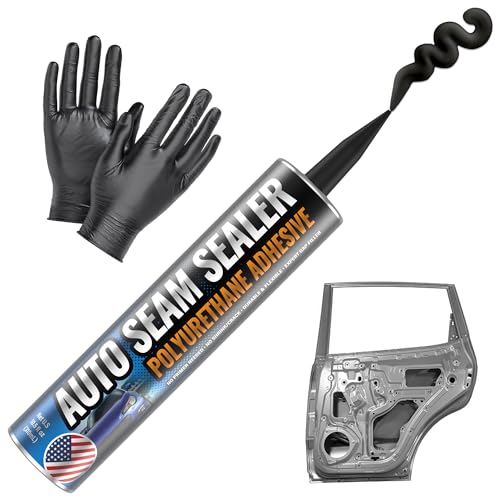
Professional Automotive Seam Sealer Black

Dap 00694 Silicone Rubber Auto Marine Sealant Clear

LOCTITE 565 Automotive White Thread Sealant 50 ml

Jescar Ultra Lock + 32oz SiO2-Infused Polymer Sealant

Berkland Polyurethane Seam Sealer Black 10.5 fl oz

Tylove Automotive Professional Grade Seam Sealer White
More Details On Our Top Picks
Bodywork in a home garage often depends on a sealant that can bridge seams and move with metal panels rather than drying into a brittle line. This black polyurethane formula bonds with bare, primed, or painted metal, giving you useful flexibility across body seams, truck repairs, and RV roof maintenance.
The stated 30-minute paint-readiness makes it suited to same-day repair sessions, while the included gloves and application tip reduce the amount of setup clutter. You may find the black color especially convenient around dark rocker panels or underbody sections, although a visible repair on a light vehicle still needs careful topcoat coverage.
Strong Points
- Polyurethane construction suits flexible seams exposed to panel movement.
- Compatibility with bare, primed, and painted metal supports varied repair stages.
- Thirty-minute paint readiness helps you keep a garage project moving.
- Included gloves and tip make small repair preparation more straightforward.
- Black material visually suits dark underbody and trim areas.
Things To Consider
- Black sealant can show through lighter paint, so masking and topcoat planning matter.
- Polyurethane residue usually calls for prompt cleanup before it sets.
Key Specs
Who It Suits Best
DIY restorers and RV owners handling flexible metal seams, dark underbody joints, or quick paint-prep repairs suit this formula well.
Where Another Pick Suits Better
Berkland Polyurethane Seam Sealer Black suits larger repair sessions more closely because its 10.5 fl oz cartridge is designed for cartridge-style application.
Clear silicone makes more sense than black polyurethane for glass, trim, hatch edges, headlights, and marine accessories where you want the joint to remain visually quiet. Silicone is an elastomer, meaning it stays rubbery after curing, and that flexibility helps accommodate small movement without the shrinkage associated with some rigid sealants.
The two-pack format gives you a practical supply for recurring boat, car, or utility-trailer jobs. Rain and water readiness comes after 12 hours, so a windshield or hatch repair needs a protected curing window rather than immediate exposure. The honest trade-off is simple: you must paint the surface first because the cured material isn’t paintable.
What We Like
- Clear cured material preserves the appearance around glass and trim.
- Flexible silicone handles small movement at hatches, accessories, and exterior joints.
- Water-ready curing suits marine hardware and weather-exposed vehicle details.
Trade Offs
- Paint needs to go on before application, not afterward.
- A 12-hour cure window requires protected storage during a rainy repair day.
- Silicone is less appropriate than polyurethane for paintable body-panel seams.
At A Glance
Made For
You’ll get the best fit for clear trim, marine accessories, headlights, hatches, and other joints where flexible waterproofing matters more than paint adhesion.
Consider Something Else When
FORTIVO Professional Automotive Seam Sealer Black better suits you for metal body seams that need paint after the sealant sets.
Threaded fittings need a different approach from body seams, and LOCTITE 565 is built for that narrower task. Its high-viscosity, or relatively thick, white compound fills the microscopic path between mating threads, making it a more precise choice for automotive plumbing-style connections than either DAP silicone or a broad polyurethane bead.
A 50 ml container fits naturally into an engine-building or repair drawer, where occasional fitting work doesn’t justify a large cartridge. You may appreciate the clean visual contrast of white compound on metal threads, though that same color can be conspicuous around exposed fittings. Storage also deserves attention, since a small cap and clean nozzle help preserve usable material between jobs.
Highlights
- High viscosity helps keep the compound in place during fitting assembly.
- The 50 ml size takes little drawer space in a home garage.
- White material makes thread coverage easier to see during careful assembly.
- Its specialized purpose avoids using a body seam formula for a fitting repair.
Minor Gripes
- This isn’t a substitute for a body-panel or windshield sealant.
- White residue may look untidy on exposed hardware.
Technical Sheet
Right Fit For
You’ll benefit most from this option during engine assembly, fitting repairs, and other automotive jobs centered on threaded connections.
Look Elsewhere When
DAP 00694 Silicone Rubber Auto Marine Sealant Clear fits you better for clear, flexible sealing around trim, glass, hatches, and accessories.
Paint protection calls for a surface sealant rather than a gap-filling body compound, and Jescar Ultra Lock + occupies that distinct category. Its SiO2 infusion uses silicon dioxide particles within a polymer blend, a combination intended to support gloss, slickness, and resistance to water spotting on finished paint.
You can apply it by hand, with foam or microfiber, or by machine, so the format works for a weekend detail session as well as a larger vehicle-care routine. The 32-ounce bottle gives you more working material than the compact LOCTITE container, but it also needs dedicated storage and careful applicator cleaning. For most cars, boats, RVs, and motorcycles, its value comes from maintaining the finish rather than repairing a leak.
Upsides
- SiO2-infused polymer formulation targets gloss and surface slickness.
- Application flexibility supports hand, foam, microfiber, and machine workflows.
- The 32-ounce format suits repeated paint-care sessions across larger vehicles.
- Its focus on water spots and environmental contamination complements regular washing.
- Use across cars, boats, RVs, and motorcycles broadens its ownership value.
Room For Improvement
- This surface product doesn’t replace a seam sealer for body gaps or roof joints.
- A larger bottle takes more cabinet space than a small repair tube.
- Applicators need prompt cleaning to avoid carrying cured residue into later sessions.
Feature Snapshot
Who Will Love This
You’ll find the strongest fit here as a detail-focused vehicle owner maintaining painted cars, boats, RVs, or motorcycles rather than filling damaged seams.
A Better Fit Elsewhere
Tylove Automotive Professional Grade Seam Sealer White suits you more closely for waterproof bodywork involving metal, plastic, or RV roof areas.
Large panel repairs benefit from a cartridge rather than a small squeeze tube, and Berkland gives you 10.5 fluid ounces of black polyurethane compound. You can target body seams, weld joints, rocker panels, wheel wells, and undercarriage gaps with a flexible bead that is designed to resist shrinkage and cracking.
The stated 30-minute paint window helps you progress from sealing to priming and topcoating during one workday. Black blends naturally into dark lower-body areas, which can reduce the visual burden of a repair that won’t receive a full exterior finish. Depending on your applicator setup, the cartridge format may be less convenient for a tiny spot repair than FORTIVO’s included tip and gloves.
Bright Spots
- 10.5 fluid ounces support broader seam and weld-joint projects.
- Black polyurethane suits rocker panels, wheel wells, and dark underbody surfaces.
- Flexible material is intended to handle movement without shrinking or cracking.
- Thirty-minute paint readiness helps you schedule a same-day bodywork sequence.
Points To Note
- You need a compatible cartridge applicator for controlled dispensing.
- The larger format can be excessive for a single small repair.
- Black material requires extra paint coverage on light-colored panels.
Quick Facts
Built With In Mind
You’ll appreciate this cartridge most for repeated garage bodywork, larger panel seams, weld joints, and dark underbody repairs.
Another Choice May Suit
Professional Automotive Seam Sealer Black suits you better for compact DIY jobs where included gloves and an application tip simplify setup.
White polyurethane gives you a useful middle ground for repairs that span vehicle bodywork, truck maintenance, plastic joints, and RV roof areas. The formula is described for primed, painted, or bare metal, while its broader surface positioning makes it more adaptable than the specialized LOCTITE 565 thread compound.
Paint readiness in 30 minutes supports quick garage repairs, and the stated resistance to shrinkage and cracking addresses the movement common around exterior seams. You may find white easier to cover on light-colored panels than Berkland’s black compound, but dark underbody work can require more finishing attention. Clean application tools promptly, since cured polyurethane can complicate later storage and reuse.
Reasons To Buy
- White color integrates more naturally with light vehicle panels and repair areas.
- Compatibility with metal and plastic expands the range of practical jobs.
- Primed, painted, and bare metal support several stages of body repair.
- Fast paint readiness helps you keep an RV or truck project on schedule.
Honest Caveats
- White can stand out against dark rocker panels and undercarriage surfaces.
- Broad compatibility doesn’t make it the right choice for threaded fittings or paint protection.
Core Details
The Right Fit
You’ll find this most useful for DIY truck, auto-body, and RV repairs involving light-colored panels, mixed metal surfaces, or plastic joints.
Reach For A Different Pick When
Jescar Ultra Lock + 32oz SiO2-Infused Polymer Sealant fits you better for routine gloss and surface protection on finished paint.
How To Choose The Right Auto Sealants
Match The Chemistry To The Joint
Polyurethane works well for body seams because it forms a flexible, paintable compound that can move with panels. That makes FORTIVO, Berkland, and Tylove more relevant to weld joints, gaps, rocker panels, and RV roof work. Silicone remains rubbery and water-resistant, so DAP suits glass, trim, hatches, and marine accessories, but its non-paintable surface changes the order of your repair.
Thread sealant belongs in its own category. LOCTITE 565 targets threaded fittings, where a thick compound fills thread clearances during assembly. Using it on a broad body seam wastes its specialized design, just as using surface-protection polymer on a leak leaves you with the wrong type of material.
Plan Around Color And Paint
Color affects both appearance and finishing time. Black polyurethane blends into wheel wells and dark underbody sections, while white can be easier to cover on light panels. Clear silicone keeps visible joints discreet, but you need to complete painting beforehand.
Paint readiness also changes your workflow. The polyurethane options listed here state a 30-minute paint window, while DAP requires a longer 12-hour period before rain and water exposure. A covered garage helps, especially during exterior work.
Think About Application Scale
Small fitting repairs favor a compact 50 ml container, while repeated seam work favors a larger cartridge or bottle. Cartridge-based application can give you better control over long beads, but you need a compatible applicator and a clean nozzle. Included gloves and tips add convenience for short DIY jobs.
For surface care, a 32-ounce polymer sealant makes sense across multiple vehicles. Machine application can speed larger paint-care routines, while hand or microfiber application gives you more control around trim and tight contours.
Account For Cleanup And Storage
Surface preparation still matters: remove dirt, loose material, and residue before applying any sealant. Keep silicone away from areas you plan to paint later, and wipe polyurethane tools before curing makes cleanup harder. Store each container sealed and upright according to its package directions, with the nozzle or cap cleared for the next session.
What To Weigh Before You Buy
Mistakes Worth Dodging
Choosing by color alone can leave you with the wrong chemistry. A black polyurethane bead may look suitable for a body seam, but a white thread compound or clear silicone serves a different repair function. Start with the joint, surface, and finishing plan, then select the formula.
You can also underestimate curing space. A hatch, windshield area, or RV roof needs protection from water during its stated cure period, so plan the work around a dry, sheltered location. Large cartridges make sense for broad repairs, while small containers reduce leftover material for occasional jobs.
Where The Extra Money Goes
Higher-tier sealants often justify their position through a more specialized formula, broader application methods, or a larger working quantity. Jescar adds SiO2 to a polymer surface sealant and supports hand, microfiber, foam, and machine application, which matters across regular paint-care routines.
For body repairs, the upgrade makes more sense when you need dependable paint timing, flexible seam movement, or enough material for several panels. A specialized thread sealant remains the smarter choice for fittings, even though its container is much smaller.
Final Verdict
You’ll get the clearest match by choosing the repair type first: FORTIVO or Berkland for black polyurethane body seams, Tylove for white multi-surface work, DAP for flexible clear exterior joints, LOCTITE 565 for threaded fittings, and Jescar for finished-paint protection. Your vehicle color, available curing space, application tools, and project size should guide the final choice. For a single garage repair, a compact tube may keep storage simple, while a larger cartridge or bottle suits recurring maintenance. The right formula makes the repair cleaner, easier to finish, and more dependable in everyday use.
