

Rust rarely stays confined to one small spot. Road salt, standing water, humidity, and chipped paint can turn exposed metal into a recurring maintenance problem, especially around wheel wells, battery terminals, tools, trailers, and underbody components. You need the right type of treatment for the condition in front of you: a preventative film for clean metal, a converter for established rust, or a dissolver for removable surface corrosion. This roundup covers six options for garage projects, vehicle upkeep, marine gear, bikes, and household metalwork.
The Shortlist At A Glance
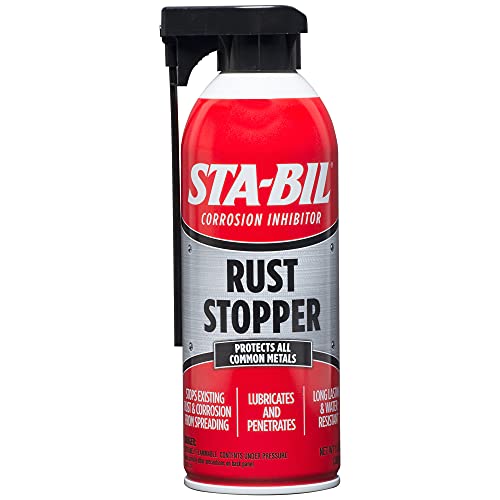
STA-BIL Rust Stopper Anti-Corrosion Spray 13 Oz (22003)

Rust-Oleum Stops Rust 2-in-1 Rust Reform & Seal Coating Spray Black
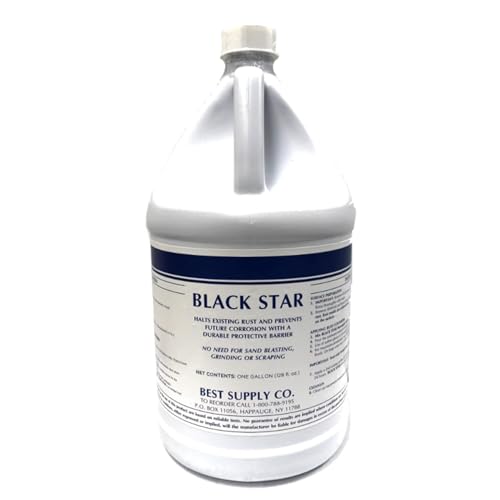
BLACK STAR MRO Chem Rust Converter 1 Gallon

BLACK STAR Rust Converter 1 Quart

Rust Kutter Gallon Rust Converter Primed Surface

Rust-Oleum Rust Dissolver Jelly Heavy-Duty Corrosion Remover 8 oz
More Details On Your Top Picks
Daily drivers, boat owners, and garage hobbyists need protection that reaches beyond visible rust spots. STA-BIL uses a corrosion-inhibiting spray that leaves a water-resistant layer on exposed or painted metal, so it fits seasonal storage, hinges, brackets, and other areas where moisture encourages oxidation.
The battery-terminal use adds practical range for routine vehicle care, while the lubricating action may help with squeaks and sticking hardware. You may find the spray more suitable for ongoing prevention than for deeply damaged metal, and the 13-ounce format is easier to store than a gallon treatment.
Strong Points
- Creates a moisture-resistant film on exposed and painted metal.
- Works across cars, bikes, boats, and recreational vehicles.
- Battery-terminal application supports a broader vehicle-maintenance routine.
- Lubricating behavior may reduce sticking in suitable metal joints.
- Contact action addresses existing surface corrosion while adding protection.
Things To Consider
- A spray film needs periodic inspection and reapplication in harsh weather.
- Heavily scaled rust may call for a converter or dissolver instead.
Key Specs
Who It Suits Best
You’ll appreciate this option for recurring vehicle upkeep, battery-terminal care, and seasonal protection across several types of metal equipment.
Consider Something Else When
Rust-Oleum Stops Rust 2-in-1 Rust Reform & Seal Coating Spray suits you better for a flexible barrier over larger underbody or wheel-well areas.
Wheel wells, frame sections, and underbody metal face more abrasion and splash exposure than a battery terminal. This Rust-Oleum spray combines rust reforming with a sealing coat, then leaves a flexible rubberized surface that can absorb ordinary movement better than a rigid paint film.
That flexibility is the main distinction from STA-BIL Rust Stopper, which behaves more like a maintenance lubricant and protective film. In most driveway repairs, you’ll want clean preparation and controlled coverage because a rubberized coating can make later inspection or refinishing less convenient.
What We Like
- Combines rust treatment and surface sealing in one coating.
- Rubberized material provides flexibility around vehicle underbody areas.
- Resistance to chemicals and abrasion suits demanding automotive locations.
- Spray application helps cover broad metal sections without brush marks.
Trade Offs
- Surface preparation remains important for adhesion and consistent coverage.
- The black coating can make detailed rust inspection harder after application.
- Storage and cleanup require attention because cured rubberized material is difficult to remove.
At A Glance
Made For
You’re a strong match for this coating when underbody, wheel-well, truck, or recreational-vehicle metal needs a flexible protective barrier.
Not Your Match When
Rust-Oleum Rust Dissolver Jelly suits you more for removable corrosion on small tools, bolts, and localized metal parts.
Large steel restoration projects change the calculation. BLACK STAR MRO Chem Rust Converter comes in a one-gallon container and converts existing rust into a black polymer resin coating, a resin-based surface layer that seals treated steel from moisture.
That volume makes sense for farm equipment, trailers, railings, and extensive automotive sections rather than a single fastener. You may find the conversion finish useful as a preparation layer, although the dark result can require a compatible topcoat for a finished appearance.
Highlights
- One-gallon quantity supports broad steel treatment.
- Converts rust into a hard, black polymer resin surface.
- Reduces the need for aggressive mechanical rust removal on suitable surfaces.
- Moisture-sealing behavior suits outdoor steel restoration projects.
- The treated surface can provide a base for subsequent coating work.
Room For Improvement
- The gallon container takes more shelf space than the quart version.
- Large-volume treatment can be excessive for occasional household repairs.
Technical Sheet
Right Fit For
You’ll get the most practical use from this gallon format during large steel restoration work, fleet maintenance, or repeated workshop projects.
Look Elsewhere When
BLACK STAR Rust Converter 1 Quart fits you better for a single gate, bracket, panel, or other contained repair.
For a contained repair, the one-quart BLACK STAR Rust Converter keeps the same rust-conversion approach in a more manageable quantity. The formula turns suitable rusted steel into a black polymer resin coating, giving you a treatment path that doesn’t depend on covering an entire panel with spray.
Compared with the one-gallon BLACK STAR MRO Chem Rust Converter, this container suits occasional maintenance and smaller workshop jobs. Depending on the project size, you may find brush application easier to control than aerosol coverage, but the black finish still needs planning around any later paintwork.
Upsides
- Quart capacity suits focused steel repairs.
- Conversion produces a hard, black resin-like protective layer.
- Brush-friendly liquid control can help around brackets and irregular shapes.
Minor Gripes
- Small coverage needs make this less suitable for extensive equipment.
- Surface cleaning and removal of loose scale remain part of sensible preparation.
- The dark converted finish may need additional coating for appearance matching.
Feature Snapshot
Who Will Love This
You’re best suited to this quart option for occasional DIY repairs involving gates, tools, brackets, panels, or other modest steel surfaces.
A Better Fit Elsewhere
BLACK STAR MRO Chem Rust Converter 1 Gallon is more suitable for you when a trailer, railing system, or larger equipment project needs repeated coverage.
Painted restoration work calls for a clearly defined sequence, and Rust Kutter provides one. After loose rust and paint are removed with a wire brush, you apply the treatment, allow a 24-hour drying period, rinse the surface, dry it again, and then repaint.
The formula binds to metal and blocks moisture and oxygen from reaching the treated area. That makes it more process-focused than STA-BIL Rust Stopper, while the gallon size supports repeated refinishing work; the honest caveat is that it needs existing rust and isn’t intended for painted metal you plan to leave untouched.
Best Bits
- Creates a paint-ready surface after the stated preparation sequence.
- Gallon capacity supports repeated repair and refinishing projects.
- Binding action helps separate treated metal from moisture and oxygen exposure.
- Available in gallon and quart formats for different project scales.
Points To Note
- The 24-hour drying stage makes the workflow slower than a quick spray treatment.
- Rinsing and complete drying add cleanup and workspace demands.
- Existing rust is required, so clean metal needs a different preventative product.
- Applying it to paint you intend to keep can create unnecessary refinishing work.
Quick Facts
Who Should Grab It
You’ll suit Rust Kutter best for planned automotive, equipment, or household metal refinishing where a paint-ready result matters more than speed.
Reach For A Different Pick When
STA-BIL Rust Stopper Anti-Corrosion Spray 13 Oz (22003) is better suited to you for preventative maintenance on clean metal, painted surfaces, and battery terminals.
Not every rust problem calls for a coating. Rust-Oleum Rust Dissolver Jelly uses a thick formula that clings to iron, steel, and other metal, making it useful on bolts, tools, grills, bikes, and localized vehicle corrosion where you want the existing residue removed.
Medium to light rust may dissolve within 10 to 30 minutes or less, while heavier buildup can need another application. You may find the no-scrub rinse-and-wipe approach convenient for small parts, though the 8-ounce container is aimed at focused jobs rather than broad vehicle panels.
Bright Spots
- Jelly consistency keeps the treatment in contact with vertical or irregular metal.
- Designed for iron, steel, and other metal surfaces.
- Short stated treatment window suits small repair sessions.
- Rinse-and-wipe cleanup can prepare parts for later paint.
- Useful across tools, cars, bikes, grills, bolts, and firearms.
- Heavier rust can receive another application rather than requiring one long session.
Small Caveats
- The 8-ounce size limits practicality for extensive corrosion coverage.
- Heavy rust may require repeated treatment and careful cleanup.
Details At A Glance
Whose Shelf It Belongs On
You’ll benefit most from this jelly for targeted rust removal on tools, hardware, bikes, grills, and small automotive parts.
Where A Sibling Pick Shines
Rust-Oleum Stops Rust 2-in-1 Rust Reform & Seal Coating Spray Black suits you more for sealing larger vehicle surfaces after corrosion has spread across an underbody area.
How To Choose The Right Auto Rust Killers
Match The Treatment To The Rust
Start by identifying whether you need prevention, conversion, or removal. A corrosion-inhibiting spray such as STA-BIL Rust Stopper leaves a protective film, making it suitable for battery terminals, hinges, painted metal, and seasonal storage. A converter changes existing rust into a coating, while a dissolver such as Rust-Oleum Rust Dissolver Jelly works to remove rust from smaller metal parts.
That distinction affects the entire project. Applying a converter to clean metal wastes material, while using a light protective spray on thick scale leaves the main repair unresolved. For a daily commuter, prevention around exposed hardware may be enough; a neglected trailer frame usually demands conversion or coating.
Consider Coverage And Container Size
An 8-ounce jelly handles localized work, such as bolts, tools, and brackets. Quart containers suit contained household or automotive repairs, while gallon formats make more sense for trailers, railings, equipment, or repeated shop use. Larger containers reduce interruptions during broad projects, but they need more storage space and a clear plan for future use.
Spray delivery helps you cover broad or awkward areas quickly. Brush-on liquids give you more control around edges and small sections, especially during a paint-preparation workflow. Your workspace, ventilation setup, and cleanup routine should influence the format as much as the rust itself.
Look At The Finished Surface
A converted surface may turn black, while a rubberized coating adds a flexible barrier over the treated area. Neither finish automatically matches the surrounding paint, so appearance-sensitive repairs need a compatible topcoat and careful preparation. STA-BIL Rust Stopper is less visually permanent because it functions as a maintenance film rather than a conventional refinishing layer.
Flexibility matters around underbody metal exposed to abrasion and movement. A rigid refinishing layer may suit a stationary bracket, while Rust-Oleum’s rubberized coating better fits wheel wells and similar locations. You’ll get a cleaner result by choosing the finish before opening the container.
Plan Preparation And Maintenance
Loose scale, dirt, grease, and failing paint can interfere with adhesion or conversion. Rust Kutter spells out a longer sequence that includes brushing, a 24-hour drying period, rinsing, another drying stage, and repainting. That approach suits a planned weekend project more than a quick touch-up.
After treatment, inspect exposed areas periodically, especially on vehicles driven through wet or salty conditions. Keep spray cans and liquid containers sealed, labeled, and stored according to the product instructions. A realistic maintenance plan protects your time as well as the metal.
Things Worth Knowing First
Mistakes Worth Dodging
Choosing a converter for clean painted metal is a common mismatch. Rust Kutter specifically requires rust and warns against applying it where existing paint should remain untouched, while STA-BIL Rust Stopper is the more natural fit for preventative coverage. You also risk an uneven finish by skipping loose-scale removal before applying a coating.
Container size creates another easy mistake. An 8-ounce jelly is sensible for a handful of tools, but it won’t cover a large frame efficiently. Match the quantity to the surface area, then leave enough time for rinsing, drying, repainting, or a second application where the instructions call for it.
Where The Extra Money Goes
Higher-tier rust treatments often justify their position through specialized delivery or finish behavior rather than a vague promise of stronger protection. A clinging jelly stays active on irregular metal, a rubberized spray adds abrasion resistance, and a gallon converter supports broad coverage. Those attributes matter most when the repair has awkward geometry, heavy exposure, or substantial surface area.
For a small bolt or bike part, a compact dissolver may give you the cleaner workflow. Large equipment, wheel wells, and repeated restoration work make specialty coatings and larger containers more reasonable. You’ll gain the most from an upgrade when its format solves a problem that a basic spray cannot.
Final Verdict
Your choice depends on the rust stage and the finish you need afterward. STA-BIL Rust Stopper suits preventative vehicle care, Rust-Oleum Stops Rust 2-in-1 suits flexible underbody coverage, and the BLACK STAR converters serve rusted steel restoration in quart or gallon quantities. Rust Kutter fits a structured paint-preparation process, while Rust-Oleum Rust Dissolver Jelly handles localized removal. Match the container size, surface condition, and cleanup time to your project, and the repair should feel far more manageable.
