

Keeping vehicle vents, evaporator coils, and condensate lines clean takes more than one type of tool. You need a soft brush for visible dust, a foam cleaner for coil buildup, or a drain treatment for stagnant residue and blocked water paths. This shortlist covers compact interior tools plus HVAC-focused formulas for home systems and vehicles. Daily commuters may prefer a car-specific foam, while homeowners handling seasonal maintenance may need a gallon of no-rinse coil cleaner.
The Shortlist At A Glance

Mailaoqi Mini Duster for Car Air Vent Set of 3

Air Pure Shop AC Evaporator Coil Cleaner 1 Gallon
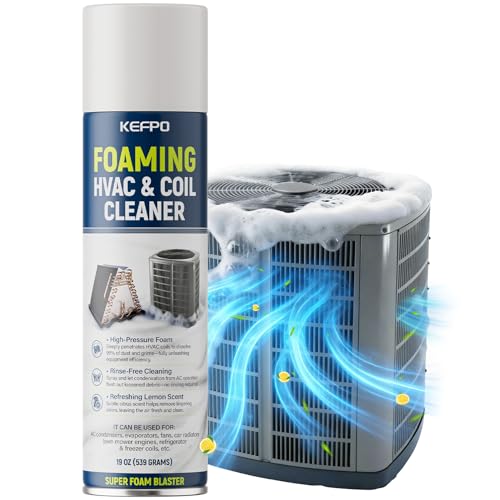
KEFPO Foaming AC Coil Cleaner 19 oz
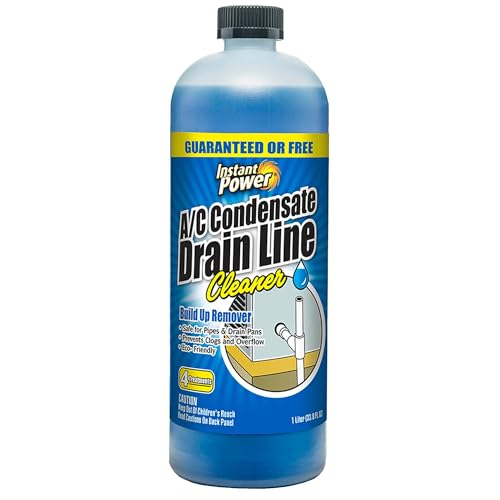
Instant Power A/C Condensate Drain Line Cleaner 32 oz

Rectorseal Clean-N-Safe 83780 Coil Cleaner 20 oz
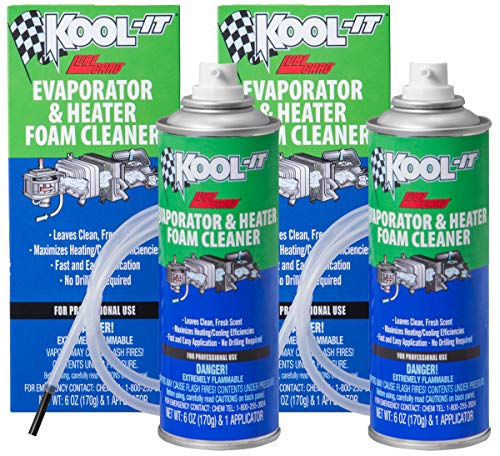
Lubegard 96030 Kool-It Evaporator and Heater Foam Cleaner 2 Pack
More Details On Your Shortlist
For dusty dashboard vents, a small hand tool makes more sense than a liquid formula. Mailaoqi combines a microfiber sleeve with a nylon brush on a polypropylene handle, giving you a soft wiping surface for vent slats and firmer bristles for edges, seams, and loose debris.
The removable cloth cover should simplify washing after interior cleaning, which matters during weekly commuting. You may find the compact design more useful for light surface dust than hardened residue, but the three-piece set gives you convenient spares for the car, home office, or household fans.
Strong Points
- Two cleaning surfaces let you switch between wiping and brushing without carrying separate tools.
- The microfiber cover is removable, so routine cleaning is easier than with a fixed fabric head.
- Small dimensions suit narrow vent openings and dashboard gaps.
- A three-piece set supports separate storage in multiple vehicles or rooms.
Things To Consider
- Hand cleaning takes longer across a full HVAC system than using a spray formula.
- The nylon brush may be too firm for delicate glossy trim, so controlled pressure makes sense.
Feature Snapshot
Who It Suits Best
Daily commuters and detail-focused car owners who need a compact manual vent cleaner for light dust.
Where Another Pick Suits Better
Lubegard 96030 Kool-It Evaporator and Heater Foam Cleaner suits vehicle owners addressing odor or deeper evaporator residue rather than visible dashboard dust.
Large HVAC jobs call for more than a small aerosol can, and this Air Pure Shop formula supplies one gallon, or 3.78 liters, for repeated coil care. A coil is the finned heat-transfer surface inside cooling equipment, so buildup across those narrow passages can make cleaning access difficult.
The no-rinse format is aimed at simpler maintenance across air conditioners, condensers, mini splits, and heat pumps. Metal-safe corrosion inhibitors add a useful layer of material compatibility, though storage takes more planning than the compact KEFPO can, especially in a small utility closet.
What We Like
- One-gallon capacity fits recurring residential or commercial maintenance.
- No-rinse use can reduce cleanup around indoor HVAC equipment.
- Compatibility covers air conditioners, condensers, mini splits, and heat pumps.
- Corrosion inhibitors are useful for metal coil surfaces during regular care.
- Instructions and video guidance support homeowners handling routine maintenance.
Trade Offs
- The large container needs secure storage and careful pouring during application.
- Heavy deposits may still call for brushing or a second cleaning pass.
- Owners commonly need to protect nearby surfaces from liquid runoff during indoor use.
At A Glance
Made For
Homeowners, property managers, and service professionals needing a higher-volume cleaner for recurring HVAC work.
Consider Something Else When
Mailaoqi Mini Duster for Car Air Vent Set of 3 is a better fit for quick vehicle-interior dusting and compact storage.
KEFPO takes a targeted approach with a 19-ounce foaming spray for evaporator and condenser coils. The expanding foam is designed to work into tight fin channels, which can help you reach compact surfaces that a flat cloth cannot touch.
You get a choice between no-rinse use and water rinsing, giving you more control during seasonal home maintenance. Its low-odor formula and clear directions may feel more approachable for DIY homeowners, although the can offers less coverage than Air Pure Shop’s gallon container.
Highlights
- Foam expands across narrow coil fins and contact surfaces.
- The 19-ounce aerosol format is easier to store than a gallon jug.
- No-rinse or water-rinse use adapts to different cleaning setups.
- Low odor is useful during indoor household maintenance.
Minor Gripes
- A single aerosol can may not suit extensive commercial cleaning.
- Foam application still requires attention to nearby electrical parts and surrounding surfaces.
Quick Facts
Right Fit For
DIY homeowners and service workers who want a compact spray with flexible rinsing options for coil access points.
Not Your Match When
Air Pure Shop AC Evaporator Coil Cleaner 1 Gallon suits repeated large-system maintenance better than a single-can treatment.
Coil sprays address fin surfaces, while Instant Power focuses on the condensate drain line, the pathway that carries moisture away from an air-conditioning system. Its 32-ounce bottle targets sludge and debris that can restrict that path and contribute to stagnant water around the drain pan.
That narrower purpose makes it a sensible companion to KEFPO rather than a replacement for it. You may find the bottle most useful during seasonal home service, but the honest trade-off is limited versatility for anyone seeking a single cleaner for vents, coils, and drains.
Upsides
- Addresses drain-line buildup instead of duplicating coil-cleaning coverage.
- The 32-ounce format supports planned maintenance between service visits.
- Targets sludge and debris associated with restricted condensate flow.
Room For Improvement
- It doesn’t replace a coil cleaner for evaporator or condenser surfaces.
- Application requires access to the correct drain-line opening, which can vary by system layout.
- Regular storage upright and careful handling make sense around household cleaning supplies.
Core Details
Best Suited To
Homeowners managing recurring condensate drain concerns in central air or HVAC systems.
Look Elsewhere When
Rectorseal Clean-N-Safe 83780 Coil Cleaner suits HVAC coil surfaces, especially microchannel designs, rather than drain pathways.
Microchannel coils use tightly arranged passages that reward a carefully chosen cleaner. Rectorseal Clean-N-Safe 83780 uses a non-acid foaming formula in a 20-ounce aerosol, and the source specifies use with copper, aluminum, steel, and microchannel coils.
That material coverage gives trade-oriented maintenance a clear advantage over a generic interior duster. In most residential setups, the compact can should be easier to store than Air Pure Shop, though the smaller volume makes it less suitable for repeated large-scale service.
Bright Spots
- Non-acid foam is designed for coil cleaning without an acid-based formula.
- Specified compatibility includes copper, aluminum, and steel components.
- Microchannel coil use makes it relevant to specialized HVAC service.
- Aerosol delivery supports controlled application in tight equipment spaces.
- The 20-ounce container fits more easily in a service cabinet than a gallon bottle.
Points To Note
- The aerosol format provides less total solution than Air Pure Shop’s gallon size.
- Trade-focused equipment care still calls for surface protection and careful cleanup.
Technical Sheet
Whose Shelf It Belongs On
HVAC tradespeople and experienced DIY users maintaining metal or microchannel coils with a compact foam spray.
A Better Fit Elsewhere
KEFPO Foaming AC Coil Cleaner 19 oz is more suitable for home users who value low odor and a choice between rinse methods.
Vehicle climate systems need a different approach from household HVAC equipment. Lubegard 96030 comes as a two-pack of foam cleaners for car, truck, and SUV evaporator and heater applications, with no equipment or drilling required according to the supplied details.
The formula leaves a fresh scent and is described for use lasting up to six months, which may suit seasonal vehicle care or a long daily commute. Compared with Mailaoqi’s surface brush, this treatment reaches deeper climate-system areas, but it won’t replace manual dusting around visible vents.
Reasons To Buy
- Two cans support separate vehicles or a later maintenance session.
- Vehicle-specific evaporator and heater coverage matches automotive climate-system care.
- No drilling or extra equipment simplifies the intended application.
- A fresh scent suits drivers addressing stale cabin air after routine cleaning.
Honest Caveats
- The six-month duration is a stated use interval, not a substitute for diagnosing a blocked or damaged system.
- Foam treatment won’t remove loose dashboard dust as directly as Mailaoqi’s brush.
- Vehicle access points differ, so you may need to confirm the application route for your model before starting.
Details At A Glance
Who Will Love This
Drivers of cars, trucks, or SUVs who want a vehicle-focused evaporator and heater foam treatment for scheduled cabin care.
Reach For A Different Pick When
Mailaoqi Mini Duster for Car Air Vent Set of 3 better suits you when visible vent dust, not internal evaporator residue, is the main concern.
How To Choose The Right Auto Ac Cleaners
Match The Formula To The Surface
Start by identifying the area that needs attention. A microfiber-and-nylon brush suits vent slats, dashboard seams, and loose dust, while a foaming coil cleaner is intended for finned evaporator or condenser surfaces. Condensate drain treatments serve a different job entirely, so Instant Power belongs in a drain-maintenance routine rather than on visible trim.
Choose Volume For Your Maintenance Pattern
A 19- or 20-ounce aerosol is easier to store and control for a single household session. The Air Pure Shop gallon makes more sense for repeated work across several systems, rental properties, or commercial equipment, though the container takes more storage space and requires more deliberate handling.
Think About Material Compatibility
Metal-safe language matters because coils may contain copper, aluminum, or steel. Rectorseal specifically identifies those materials and microchannel coils, while Air Pure Shop lists corrosion inhibitors. That detail helps you narrow the field, but you still need to follow the label and protect nearby electrical components.
Separate Vehicle And Home Use
Automotive evaporators and heaters need vehicle-oriented access and application methods. Lubegard suits cars, trucks, and SUVs, while KEFPO, Air Pure Shop, and Rectorseal address household or trade HVAC scenarios. Daily commuters may need Lubegard plus Mailaoqi, whereas a homeowner preparing a mini split for seasonal service may need KEFPO or the gallon format.
Things Worth Knowing First
Mistakes Worth Dodging
The common mistake is treating every vent, coil, and drain as the same cleaning target. Match the tool to the buildup, check the equipment type, and avoid choosing a gallon container for occasional car care. Storage and cleanup also matter, especially with liquids used near indoor flooring, trim, or electrical parts.
Where The Extra Money Goes
Higher-tier options usually add material guidance, larger volume, specialized foam delivery, or coverage for harder-to-access HVAC components. You gain more practical value from Rectorseal when microchannel compatibility matters, and Air Pure Shop makes sense for repeated maintenance. Occasional vehicle care may not justify that scale, where Lubegard’s two-pack is more proportionate.
Final Verdict
Your best choice depends on the cleaning target, not a generic label. Mailaoqi handles visible vent dust, Lubegard focuses on vehicle climate systems, and KEFPO offers compact foaming coverage for household coils. Air Pure Shop suits repeated large-volume work, Rectorseal brings clearer metal and microchannel positioning, and Instant Power concentrates on condensate drains. Match the formula, container size, and equipment compatibility to your maintenance routine, then keep the process focused and orderly.
