

Underbody corrosion starts in places you rarely see, then spreads through exposed metal, fasteners, battery connections, and painted surfaces. You need the right coating for your vehicle, climate, and maintenance routine, especially after winter road salt, coastal air, or wet trail use. The six options below cover thin protective sprays, flexible inhibitors, wax-based cavity coatings, and rubberized underbody layers. You’ll find practical trade-offs for daily drivers, restoration projects, trailers, RVs, and equipment kept outdoors.
The Shortlist At A Glance
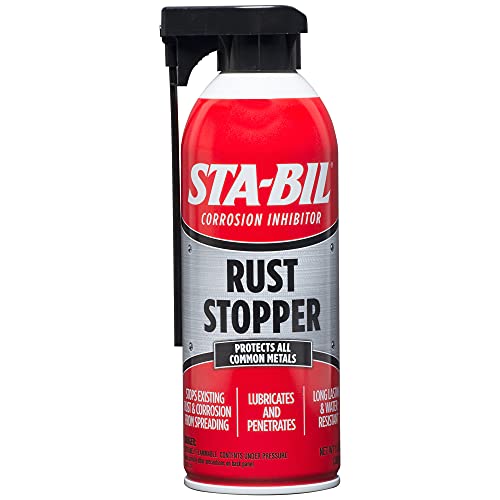
STA-BIL Rust Stopper Anti-Corrosion Spray 13 Oz (22003)

CorrosionX Heavy Duty Anti Rust Spray 12oz Aerosol

Jenolite Waxoil Aerosol 16.9oz

Rust-Oleum Stops Rust Pro Grade Rubberized Black Undercoating Spray
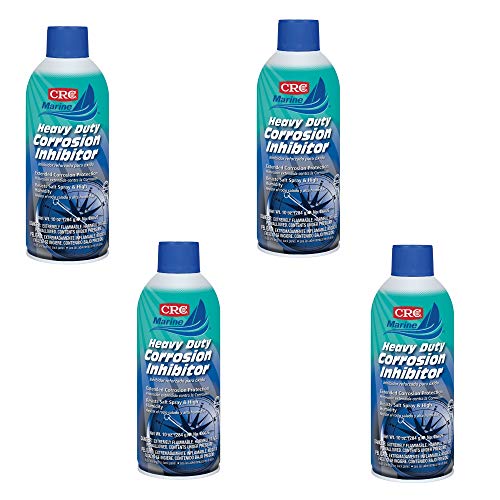
CRC 06026 Heavy Duty Corrosion Inhibitor 10 Wt Oz 4 PACK

CorrosionX Rust Inhibitor Dielectric Corrosion Prevention 16oz Aerosol
More Details On Our Top Picks
Daily drivers need a coating that can handle more than one narrow task, and STA-BIL Rust Stopper takes that broader approach. Its corrosion-inhibiting formula leaves a water-resistant film on exposed or painted metal, so you can use it around underbody hardware, battery terminals, and other areas prone to surface oxidation.
You may find the lighter spray format easier to apply around brackets and tight engine-bay spaces than a thick undercoating. That flexibility suits routine vehicle care, although it won’t create the textured impact layer provided by Rust-Oleum’s rubberized coating. The 13-fluid-ounce size also makes storage straightforward for occasional garage maintenance.
Strong Points
- Works across exposed and painted metal, giving you one option for several vehicle surfaces.
- Water-resistant protection helps the coating remain useful through ordinary moisture and weather exposure.
- Suitable for battery terminals, where corrosion can affect metal and electrical contact areas.
- Acts on contact against existing corrosion while also slowing additional buildup.
- Lubricating action may help reduce squeaking or sticking on compatible metal parts.
Things To Consider
- A spray film needs periodic inspection and touch-up, especially on underbody areas exposed to road grit.
- The thinner coverage won’t replace a dedicated wax cavity treatment or rubberized chassis coating.
Key Specs
Who It Suits Best
Daily drivers and home mechanics need a multipurpose spray for light underbody upkeep, painted metal, and battery-terminal protection.
Where Another Pick Suits Better
Rust-Oleum Stops Rust Pro Grade Rubberized Black Undercoating Spray suits you more when the priority is a thicker layer across a bare or primed underbody.
Saltwater trailers, outdoor machinery, and farm equipment ask more from a corrosion inhibitor than a sheltered commuter car. CorrosionX Heavy Duty uses a thick, flexible barrier designed to stay bonded through rain, seawater, pressure washing, vibration, and shifting hardware.
Its Polar Bonding process describes how the formula adheres to metal and helps limit hidden electrolysis, a corrosion process caused by electrical reactions between dissimilar metals. For most coastal or agricultural settings, that persistent film is the main attraction, though you may find it too substantial for clean cosmetic surfaces or delicate spray work.
What We Like
- The self-healing barrier remains flexible rather than drying into a brittle layer that can crack.
- Water resistance suits boat trailers, outdoor hinges, barn hardware, and equipment exposed to repeated wet conditions.
- The thick, non-conductive formula fits larger battery posts and grounding lugs.
- Long stated protection periods reduce the need for frequent reapplication on suitable indoor and outdoor equipment.
Worth Noting
- Heavy coverage can collect dust on exposed underbody areas, so surface cleaning may take more attention.
- The 12-ounce aerosol may feel less economical for treating a complete vehicle chassis than a multipack.
- Its thick texture requires careful application around moving parts and areas that must remain clean.
At A Glance
Made For
Coastal vehicle owners, boat-trailer users, farmers, and maintenance professionals benefit most from its thick outdoor barrier.
Consider Something Else When
STA-BIL Rust Stopper Anti-Corrosion Spray 13 Oz (22003) fits you better for lighter routine coverage around painted panels and battery terminals.
Hidden box sections, door sills, wheel arches, and chassis cavities are difficult to cover with a thin general-purpose lubricant. Jenolite Waxoil uses a thick wax-based fluid that reaches those enclosed areas and leaves a moisture-shedding layer suited to cars, vans, motorcycles, and machinery.
The wax can self-seal after a scratch or small puncture, which makes it appealing for older vehicles that see regular road debris. Compared with STA-BIL Rust Stopper, this option is more cavity-focused and less natural for battery terminals or broad light-duty lubrication. The honest trade-off is cleanup, since a waxy coating can hold dirt and needs inspection before fresh applications.
Highlights
- Thick coverage reaches difficult underbody and inner-panel spaces more readily than a light film.
- Wax-based protection helps push moisture away from chassis cavities and wheel arches.
- Self-sealing behavior supports continued coverage after minor surface damage.
Trade Offs
- The dense wax layer can make later cleaning and visual inspection more involved.
- Its cavity-treatment focus gives you less versatility for electrical terminals and moving linkages.
Feature Snapshot
Right Fit For
DIY restorers and owners of older cars, vans, and motorcycles need thick protection for hidden panels, sills, wheel arches, and chassis sections.
Not Your Match When
CorrosionX Rust Inhibitor Dielectric Corrosion Prevention 16oz Aerosol suits you more when seized hardware, hinges, and cables need lubrication alongside corrosion protection.
Underbody restoration calls for a coating rather than a simple rust-inhibiting film. Rust-Oleum’s rubberized black spray is intended for bare or primed metal beneath cars, trucks, trailers, and RVs, giving you a thicker surface layer for areas exposed to water, salt, chemicals, and minor road impact.
That construction separates it from the fluid coatings reviewed above: you get a more finished underbody layer, but application demands cleaner preparation and broader masking. For a truck or trailer project, the six-pack format supports larger coverage, while a commuter needing spot treatment may prefer STA-BIL’s lighter versatility. You may find the black finish useful for a visually consistent chassis, though it isn’t the right choice for every electrical or moving component.
Upsides
- Rubberized composition forms a substantial layer over suitable bare or primed underbody metal.
- Designed for exposure to water, road salt, and other automotive chemicals.
- Six 15-ounce cans support larger vehicle, trailer, or RV projects.
- Paintable construction gives you more finishing flexibility after the coating has dried.
- Fast-drying behavior can shorten the waiting period between application stages, depending on conditions.
Room For Improvement
- Surface preparation and masking require more time than spraying a thin corrosion inhibitor.
- The rubberized layer isn’t intended as a general lubricant for terminals, hinges, or linkages.
- Underbody coatings need periodic visual checks for chips or areas missed during installation.
Technical Sheet
Who Will Love This
DIY truck, trailer, RV, and chassis restorers benefit most from a multi-can underbody coating made for prepared metal.
A Better Fit Elsewhere
Jenolite Waxoil Aerosol 16.9oz suits you more for enclosed box sections and hard-to-reach cavities rather than broad exterior underbody coverage.
CRC 06026 sits between a light household-style spray and a thick cavity wax. Its flexible corrosion inhibitor is specified for electrical connections, engine components, fasteners, motors, shafts, spindles, and steering or throttle linkages, giving you a wide maintenance range for vehicles and equipment.
The four-can package makes sense for a garage that services more than one vehicle or stores machinery through humid seasons. Compared with CorrosionX Heavy Duty Anti Rust Spray, CRC presents a more general equipment-care profile rather than emphasizing a thick barrier for severe marine exposure. For most home workshops, that balanced coverage is useful, but the thinner format still calls for repeat inspection on road-facing metal.
Bright Spots
- Flexible protection accommodates linkages, shafts, fasteners, engine parts, and electrical connections.
- Four 10-ounce cans give you supplies for repeated maintenance across several machines or vehicles.
- Designed for metal exposed to salt spray and high humidity.
- The broad application list helps reduce the need for separate products around a working vehicle.
Points To Note
- It provides less impact-oriented coverage than Rust-Oleum’s rubberized underbody layer.
- Owners should inspect treated areas and refresh exposed surfaces after heavy salt or moisture exposure.
Quick Facts
Built With In Mind
Home workshops, equipment owners, and vehicle maintainers need flexible protection for linkages, connectors, fasteners, and engine components.
Swap It Out When
CorrosionX Heavy Duty Anti Rust Spray 12oz Aerosol fits you better in persistent saltwater exposure or demanding outdoor storage conditions.
Rusty hardware creates a different maintenance problem from bare underbody panels. CorrosionX Rust Inhibitor combines a dielectric barrier, meaning a moisture-blocking non-conductive layer, with lubrication and penetrating action for bolts, cables, hinges, pulleys, engine parts, and marine fittings.
That combination makes it a strong fit for boats, trailers, RVs, coastal vehicles, and farm tools where salt, vibration, and seized hardware overlap. Compared with CRC 06026, this 16-ounce aerosol places more emphasis on freeing stuck parts and lubricating working hardware. You may find that versatility worth the upgrade for a busy workshop, while a simple chassis project may be better served by Rust-Oleum’s dedicated coating.
Plus Points
- Dielectric protection creates a moisture-blocking layer around compatible metal and electrical areas.
- Penetrating action helps loosen corroded bolts, fittings, and seized engine parts.
- Lubrication supports hinges, locks, cable pulleys, and other moving hardware.
- The 16-ounce aerosol suits repeated maintenance around vehicles, marine gear, and equipment.
Small Caveats
- It isn’t a substitute for a rubberized coating across a complete prepared underbody.
- Penetrating and lubricating formulas can attract grime, so treated hardware benefits from periodic cleaning.
- Careful application matters near surfaces where a persistent oily film isn’t wanted.
Feature Rundown
Whose Shelf It Belongs On
Marine owners, coastal commuters, RV maintainers, and experienced DIY mechanics benefit from corrosion protection paired with penetration and lubrication.
Reach For A Different Pick When
Rust-Oleum Stops Rust Pro Grade Rubberized Black Undercoating Spray suits you more for broad, paintable coverage on a prepared vehicle underbody.
How To Choose The Right Anti-Rust Sprays For Under Car
Match The Coating To The Metal
Start with the surface, not the label. A thin inhibitor such as STA-BIL Rust Stopper works well for exposed hardware, painted metal, and battery terminals, while Jenolite Waxoil is shaped around cavities, sills, wheel arches, and chassis sections.
Rubberized undercoating belongs on suitable bare or primed underbody metal. It creates a more substantial layer, but you need cleaner preparation and more careful masking than a general spray requires.
Think About Water, Salt, and Movement
Road salt, coastal spray, standing moisture, and high humidity place different demands on a coating. CorrosionX Heavy Duty makes more sense for boat trailers, farm machinery, and outdoor hardware because its thick flexible barrier is designed for severe exposure.
Moving parts need a coating that stays flexible and offers lubrication. CRC 06026 covers linkages, shafts, and engine components, while CorrosionX Rust Inhibitor adds penetrating action for seized bolts and fittings.
Plan The Application
Underbody work is easier with the vehicle clean, dry, and accessible. Remove loose scale and grime before applying any coating, then keep rubberized products on the intended metal surfaces rather than spraying indiscriminately around electrical components, brakes, exhaust parts, or moving assemblies.
Aerosol size also affects the project. A single 12- or 13-ounce can suits spot work, while the Rust-Oleum six-pack better matches a broad chassis or trailer application.
Choose Maintenance You’ll Actually Do
A thick wax or rubberized layer can last longer on the right surface, yet it also makes inspection and cleaning more involved. Thin inhibitors are faster for seasonal touch-ups, though exposed areas may need closer attention after winter driving or coastal use.
For most daily drivers, STA-BIL offers the simplest starting point. Saltwater equipment deserves CorrosionX Heavy Duty, while a restoration project with hidden cavities points toward Jenolite Waxoil.
Before You Choose A Coating
Mistakes Worth Dodging
Spraying over loose rust, mud, or trapped moisture can leave the underlying metal poorly protected. Clean the area first, allow it to dry, and select a coating that matches the surface rather than treating every component as an underbody panel.
A common mistake is using rubberized undercoating on parts that need movement or electrical access. Use a flexible inhibitor for linkages and connectors, then reserve the thicker coating for suitable prepared metal.
What Separates Premium From Basic
Higher-tier formulas often add a more persistent barrier, better flexibility under vibration, or extra functions such as penetration and lubrication. Those attributes matter around marine trailers, seized fasteners, and equipment stored in humid or salty environments.
For a lightly exposed commuter car, the added complexity may not justify the change from a general corrosion spray. The upgrade makes more sense when repeated moisture, road salt, moving hardware, or difficult maintenance access raises the cost of missed coverage.
Closing Remarks
Your best choice depends on the job beneath the vehicle. STA-BIL Rust Stopper handles routine metal and terminal care, Jenolite Waxoil reaches hidden cavities, and Rust-Oleum creates a broader rubberized underbody layer. CorrosionX Heavy Duty fits severe outdoor exposure, while CRC and CorrosionX Rust Inhibitor cover workshop hardware, linkages, and seized parts. Match the film thickness, application area, and maintenance demands to your vehicle, then prepare the metal carefully before spraying. That approach gives you practical protection without forcing one formula into every task.
