

Metal corrosion rarely stays confined to one small spot. A vehicle frame, garden gate, trailer part, or outdoor tool can lose its finish quickly once moisture reaches exposed steel. You need a coating that matches the surface, application method, and level of preparation involved. The shortlist below covers brush-on rust barriers, stainless-steel pigment spray, galvanizing compound, and color-matched enamel for vehicle and household projects.
The Shortlist At A Glance

POR-15 Rust Preventive Coating 16 Fluid Ounces Silver
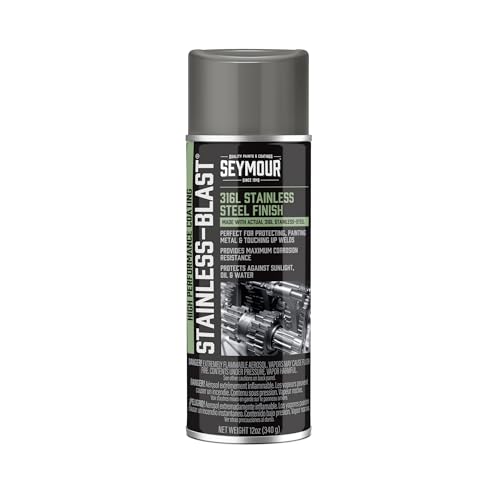
Seymour Stainless Steel Rust Protective Spray Paint 16 Oz Can

Eastwood Rust Encapsulator Platinum Rust Preventive Coating Silver

RUST-OLEUM Cold Galvanizing Compound 16oz 7785-830

U-POL Anti Rust Protective Enamel Spray Gloss White
More Details On Our Top Picks
Restoration work often needs more than a thin surface film, and POR-15 takes that route with a moisture-cured coating. Moisture curing means humidity helps the coating harden rather than merely evaporating from it, producing a dense, non-porous barrier on properly prepared rusted metal.
You can also use it across porous materials such as wood, fiberglass, concrete, and brick, which broadens its role around farms, workshops, construction sites, and marine equipment. The honest trade-off is preparation and sunlight management: the supplied system includes a cleaner-degreaser step, and prolonged outdoor exposure calls for a compatible topcoat.
Strong Points
- Moisture-assisted curing suits damp workshop conditions better than many evaporation-drying coatings.
- The hardened surface is designed for abrasion and corrosion resistance around equipment and structural parts.
- A 16-fluid-ounce container gives you a manageable quantity for smaller restoration sections.
- Surface tolerance extends beyond metal, helping you protect selected porous substrates in mixed-material projects.
- The non-porous finish limits continued contact between prepared metal and moisture.
Things To Consider
- Thorough cleaning and preparation add time before coating begins, especially on greasy machinery.
- You may need a separate compatible topcoat for metal that remains in strong sunlight.
Key Specs
Who It Suits Best
You gain the most from this coating for serious DIY restoration, farm equipment, industrial parts, and prepared marine or construction surfaces.
Consider Something Else When
Choose Seymour Stainless Steel Rust Protective Spray Paint instead for quick weld touch-ups or a spray-applied stainless appearance.
Welds, seams, railings, and exposed fastener areas often need a finish that blends with stainless hardware rather than a heavy opaque barrier. Seymour uses 100% 316L stainless-steel pigment, a specific alloy grade that gives the spray its defining metallic content.
The aerosol format makes narrow repairs more approachable in a busy garage or workshop, especially where brushing would leave visible marks. You may find the can more useful for touch-ups than broad structural restoration, since the supplied information focuses on pigment, spray format, and ultraviolet resistance rather than a deep rust-encapsulation system.
What We Like
- 316L pigment gives weld repairs and stainless-related surfaces a purpose-specific finish.
- Spray delivery helps you reach small edges, corners, and irregular welded areas.
- UV resistance with non-yellowing behavior supports appearance retention in brighter locations.
Worth Noting
- Aerosol overspray requires careful masking and ventilation around nearby surfaces.
- The 13-ounce net content may suit spot work better than a large multi-panel project.
- Surface preparation still determines adhesion, so oily weld residue needs removal before application.
Feature Snapshot
Made For
You’ll appreciate this choice for weld touch-ups, stainless fixtures, small metal repairs, and appearance-focused workshop projects.
Not Your Match When
POR-15 Rust Preventive Coating suits you better for porous rusted surfaces, machinery, and a brush-on barrier intended for heavier restoration work.
Eastwood gives you more control over application than the Seymour aerosol, with a formula intended for a brush, roller, or spray gun. That flexibility matters on vehicle chassis, wheel wells, brackets, and larger panels where you may want to change tools as the surface changes.
The Platinum coating is positioned as a foundation for rusted substrates, with penetration into the metal helping isolate existing oxidation. You may find the temperature window useful for outdoor automotive work, though application around the lower or upper limits demands closer attention to surface preparation and conditions.
Highlights
- Brush, roller, and spray compatibility lets you match the tool to the repair area.
- Silver color works as a practical base for many chassis and underbody projects.
- The formula is specified for application from 40 to 80 degrees Fahrenheit.
- Available container options include a 16-ounce pack and larger 32-ounce sizes for expanded projects.
Trade Offs
- Spray application may require additional equipment and masking compared with an aerosol can.
- Large vehicle repairs can consume material quickly, so container-size planning matters.
Technical Sheet
Right Fit For
You’re well suited to this coating as an automotive DIYer handling chassis, underbody, or multi-surface rust repair.
Look Elsewhere When
U-POL Anti Rust Protective Enamel Spray Gloss White is a better fit for you when color, aerosol convenience, and vehicle exterior touch-ups matter most.
For routine metal maintenance, the Rust-Oleum compound keeps the visual language straightforward: a flat silver-gray finish in a 16-ounce container. A cold galvanizing compound is a zinc-oriented protective coating applied without hot-dip processing, making the format practical for repairs and exposed metal upkeep.
You may find this more natural for brackets, railings, hardware, and workshop parts than for a full vehicle restoration. Compared with Eastwood Rust Encapsulator Platinum, the supplied details provide less application information, so careful cleaning, dry storage, and a small test area make sense before a larger job.
Upsides
- Flat silver-gray color suits utility parts where a low-sheen finish is preferred.
- The 16-ounce size is convenient for contained maintenance jobs and touch-up storage.
- A dedicated galvanizing compound gives you a purpose-specific option for exposed metal repairs.
Room For Improvement
- The finish may not blend with gloss-painted vehicle panels or decorative metal.
- Limited supplied application detail means you’ll need to follow the listing instructions closely.
- Clean brushes and reseal the container promptly, since coating residue can complicate later use.
Quick Facts
Best Suited To
You’ll get the clearest fit for workshop maintenance, utility hardware, brackets, railings, and other metal parts needing a flat silver finish.
A Better Fit Elsewhere
Eastwood Rust Encapsulator Platinum Rust Preventive Coating suits you more for vehicle restoration where brush, roller, or spray application flexibility is valuable.
Vehicle touch-ups call for a different approach from the dense coatings above. U-POL combines anti-rust enamel with an aerosol nozzle designed to resist clogging, giving you a steadier path for doors, trim, brackets, and other metal or plastic areas.
Gloss white creates a visible finish, while the range of colors and sheens lets you match a broader set of vehicle projects. For most driveway repairs, the appeal is convenience and appearance, although a spray can still demand masking, several controlled passes, and patience around edges.
Bright Spots
- Anti-clog nozzle design supports steadier aerosol application during touch-up work.
- Enamel is intended for vehicles as well as metal and plastic surfaces.
- Anti-fade technology helps the gloss finish retain its appearance under sunlight.
- The stated formula also addresses scratches, stone chips, and road-wear exposure.
Small Caveats
- Gloss white may require careful color matching against older vehicle paint.
- Aerosol storage and nozzle cleaning matter because dried residue can affect later spray consistency.
Feature Rundown
Whose Shelf It Belongs On
You’ll find the strongest fit here as a DIY vehicle owner handling visible touch-ups on metal or plastic with an aerosol can.
Reach For A Different Pick When
POR-15 Rust Preventive Coating 16 Fluid Ounces Silver serves you better for heavy equipment, porous surfaces, and rust-focused restoration.
How To Choose The Right Anti-Corrosion Metal Paints
Match The Coating To The Surface
Start with the substrate, meaning the material receiving the coating. Rusted steel on a chassis has different demands from a stainless weld, plastic trim, or a painted garden gate. POR-15 and Eastwood focus on rust-prepared surfaces, while Seymour centers on stainless-steel pigment and U-POL covers metal and plastic.
Your surface condition also determines preparation. Grease, loose oxidation, flaking paint, and moisture can interfere with adhesion, so a degreasing and cleaning stage deserves space in your project plan.
Choose Brush, Roller, or Spray
Brush-on coatings let you work slowly into pits, seams, and irregular rust, with less airborne overspray. Spray formats make narrow welds, brackets, and visible touch-ups faster, but masking becomes part of the job.
Eastwood gives you three application routes, which suits larger automotive projects with varied shapes. Seymour and U-POL are aerosol options, while POR-15 is the more restoration-oriented choice for a dense barrier.
Consider Finish and Sun Exposure
Finish affects both appearance and follow-up work. Flat silver-gray works well on utility hardware, platinum silver reads as a restoration base, and gloss white makes sense for a matching vehicle repair.
Ultraviolet resistance matters for metal that remains outdoors. Seymour specifies non-yellowing UV resistance, U-POL specifies anti-fade technology, and POR-15 requires attention to topcoating during prolonged sunlight exposure.
Plan Quantity and Maintenance
A 16-ounce container may suit brackets, small panels, or isolated rust spots, while larger automotive repairs call for more material. Eastwood provides 16-ounce and 32-ounce options, helping you align the container with the project rather than improvising midway.
After application, reseal containers and keep aerosol nozzles clean according to the product directions. A neat storage routine protects future usability, especially for occasional repairs where months may pass between projects.
Things Worth Knowing First
Mistakes Worth Dodging
Choosing by color alone can leave you with the wrong chemistry for the surface. A gloss enamel may look right on a vehicle, yet a rusted chassis may benefit more from a coating designed as a corrosion barrier.
Skipping degreasing is another common misstep. Oil, dirt, and loose oxidation create a weak foundation, so remove contamination and follow the stated preparation steps before applying any layer.
Where The Extra Money Goes
Higher-tier coatings often give you more specialized chemistry, broader application control, or a finish designed for a particular environment. Eastwood’s brush, roller, and spray flexibility can justify its position for a larger automotive project, while POR-15’s moisture-cured barrier targets demanding restoration work.
You don’t need that level of specialization for every repair. Seymour makes more sense for stainless weld touch-ups, and U-POL earns consideration when a color-matched vehicle finish matters more than a heavy brush-on system.
Final Verdict
Your best choice depends on the surface and the finish you need, not just the rust label on the can. POR-15 suits serious restoration, Eastwood gives automotive projects flexible application, Seymour targets stainless touch-ups, Rust-Oleum handles practical utility work, and U-POL adds color-focused vehicle coverage. Take time to clean the metal, confirm the application method, and plan for sunlight exposure before coating. That small preparation step helps you get more from the paint you choose.
