

A dependable Rv Agm Battery matters most when your setup has to keep lights, pumps, and small appliances steady without fuss. For weekend campers, long-haul travelers, boat owners, and anyone running backup power at home, the right battery is less about flash and more about fit. Capacity, terminal style, size, and how the battery handles repeated discharge cycles shape the real experience. The picks below focus on those practical differences.
Quick Look At Our Top Picks
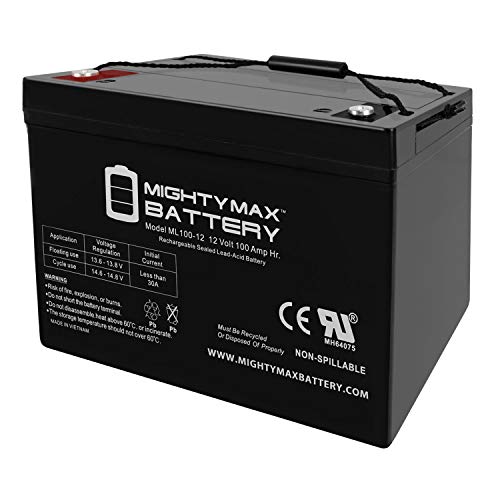
Mighty Max Battery 12V 100AH Deep Cycle VRLA

Newport 12V50Ah Deep Cycle Marine Battery

Weize Dual Purpose AGM Battery BCI Group 27M 92AH
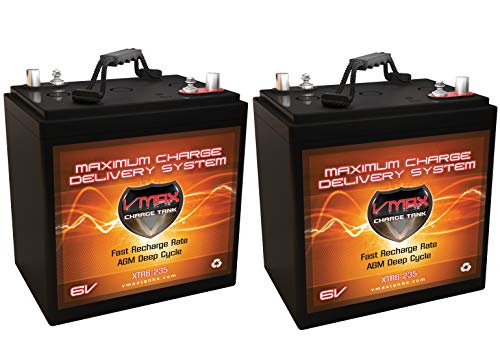
VMAX XTR6-235 6 Volt 235Ah Group GC2 AGM Deep Cycle Battery

Mighty Max Battery ML75-12INT 12 Volt 75 AH

UPLUS 12V 100Ah Leisure Battery LDC12-100M Group 27

Weize GC2 6V Golf Cart Battery 240Ah AGM
More Details On Our Top Picks
This one suits setups that want steady 12-volt storage without complicated upkeep. The Group 27 footprint and sealed construction make sense in an RV bay, solar backup rack, or utility cabinet where spill resistance matters more than a flashy feature list.
At 100Ah, it gives you more breathing room than smaller 50Ah marine picks like the Newport. The trade-off is size and weight, so tight battery trays can feel cramped, and you need to plan around the battery-and-screws-only package.
Strong Points
- 100Ah capacity supports longer stretches between charges in many RV and backup roles.
- Sealed lead acid, or SLA, construction keeps routine upkeep simple.
- AGM design helps it fit indoor or enclosed installs where venting and mess are a concern.
- Handles deep discharge use better than small starting batteries, which helps in cycle-heavy setups.
Points To Note
- Group 27 sizing can be awkward in compact trays or older battery boxes.
- The listing covers the battery and screws only, so accessory planning falls on you.
- Heavier sealed batteries are less convenient to move during installation or seasonal storage.
Feature Rundown
Who It Suits Best
You get the most from this pick in an RV, cabin, or solar backup setup that needs a straightforward 12-volt workhorse.
Where A Sibling Pick Shines
Newport 12V50Ah Deep Cycle Marine Battery fits you better for lighter marine carry and trolling motor duty.
Boaters and anglers usually care about two things here, carry weight and dependable output. This 50Ah AGM battery is aimed at that narrow lane, with a sealed build that suits trolling motors and other marine electronics.
The lighter format is the real selling point, especially compared with the heavier 100Ah options in this list. You give up capacity, though, so longer outings or more demanding accessory loads can push you toward a bigger Group 27 or GC2 pick.
What We Like
- 50Ah capacity is a sensible match for smaller marine and trolling setups.
- Sealed AGM construction keeps routine maintenance low.
- Carrying it around a dock or boat compartment is less awkward than with bulkier batteries.
- Designed with marine use in mind, so it fits the kind of job that asks for stable output and simple handling.
Areas To Watch
- Lower capacity limits run time compared with the 75Ah and 100Ah picks here.
- Boat owners with larger electronics stacks may need a second battery or a bigger reserve.
- It makes less sense for stationary solar storage where weight is less important than total capacity.
At A Glance
Right Fit For
You benefit most here in a kayak, small boat, or compact trolling setup where carry weight matters every time you load out.
Another Choice May Suit
Mighty Max Battery 12V 100AH Deep Cycle VRLA suits longer RV storage and heavier off-grid demand far better.
This pick stands out because it serves two jobs, starting power and deep cycling. That makes it a better fit than the simpler marine-only Newport for rigs that need a battery to wake an engine and keep accessories going afterward.
The Group 27M format also helps it slot into marine and RV spaces without turning the install into a custom project. One thing worth noting, though, is the terminal orientation, so you’ll want to match your cable layout before you commit.
Highlights
- Dual-purpose design suits both starting and repeated discharge use.
- 92Ah capacity gives you a solid middle ground between compact and oversized picks.
- 580CCA, or cold cranking amps, points to strong starting support for engine use.
- Group 27M sizing is familiar in many marine and RV battery bays.
- Sealed AGM construction keeps the maintenance burden low.
Small Caveats
- Dual-purpose batteries rarely excel as hard as a dedicated starting or dedicated deep-cycle model.
- Terminal layout matters, so cable routing needs a quick check during installation.
- It sits in a more specialized lane than the simpler Group 27 deep-cycle options above.
Quick Facts
The Right Fit
You get the best value here in a boat or RV that needs one battery to cover both starting duties and everyday accessory power.
Swap It Out When
VMAX XTR6-235 6 Volt 235Ah Group GC2 AGM Deep Cycle Battery makes more sense for large solar banks that care more about reserve than engine starts.
Two 6-volt GC2 batteries make sense when the goal is building a serious battery bank, not just dropping in a single replacement. Compared with the 12-volt picks above, this route suits larger RV arrays, home backup systems, and solar storage where total reserve matters more than portability.
The 235Ah rating on each unit signals long-duration use, and the reserve-capacity figure gives you a clearer picture of staying power under load. The trade-off is obvious, though, because a paired 6-volt setup takes more planning, more space, and more installation care than a single 12-volt battery.
Best Bits
- High 235Ah capacity per battery supports large storage needs.
- GC2 format works well in golf cart and solar bank layouts.
- Pair-based setup can suit users who want to scale capacity upward.
- AGM construction helps reduce upkeep compared with flooded cells.
- Strong fit for extended off-grid or utility-style power demand.
Honest Caveats
- Two-battery setups require more room and wiring attention.
- Not as quick to install as a single 12-volt unit.
- Its size makes casual swapping less convenient for frequent movers.
Core Details
Built With In Mind
You suit this pick best when your RV, solar, or utility setup needs a larger battery bank and you’re comfortable managing a pair.
Look Elsewhere When
Mighty Max Battery ML75-12INT 12 Volt 75 AH works better for smaller backup systems and tighter spaces.
This battery speaks to installations that care about terminal control as much as capacity. The internal-thread design is useful in equipment bays where a secure bolt-down connection is cleaner than a loose clamp arrangement.
At 75Ah, it sits between the smaller marine option and the larger 100Ah batteries in this list. That middle ground works well for backup systems, mobility equipment, and enclosed spaces where maintenance-free AGM construction keeps the job simple.
Positives
- 75Ah capacity gives you more reserve than compact 50Ah models.
- Internal-thread terminals suit cleaner, more secure cable attachment.
- AGM and SLA construction lowers routine maintenance demands.
- Group 24 sizing can be a good fit for moderate-power enclosures.
Worth Noting
- It does not reach the longer runtime offered by 92Ah or 100Ah picks.
- Internal-thread hardware means your cables need to match the terminal style.
- Best fit stays fairly specific, so it’s less universal than the Group 27 batteries above.
Details At A Glance
Who Should Grab It
You’re in the sweet spot here if you want a compact AGM battery for enclosed backup, mobility, or moderate RV use.
Reach For A Different Pick When
UPLUS 12V 100Ah Leisure Battery LDC12-100M Group 27 gives you more reserve for solar and extended RV stays.
Hybrid AGM and gel phrasing usually signals a battery built to split the difference between familiar maintenance-free behavior and a more buffered charging profile. For RV owners and solar users, that middle ground can be appealing, especially in systems that stay connected for long stretches.
The 100Ah Group 27 format puts it in the same broad size class as the Mighty Max 100Ah pick, but this one leans into leisure and backup use with a more specialized construction story. You may find the charging guidance important, since that kind of battery reward tends to come from matching the charger to the battery rather than improvising.
Upsides
- 100Ah capacity supports longer stays off grid or away from shore power.
- Group 27 sizing works in many RV and solar battery compartments.
- Maintenance-free design keeps day-to-day attention low.
- Hybrid gel AGM positioning may appeal to shoppers who want a more specialized leisure battery.
Minor Gripes
- The charging profile matters, so charger matching needs attention.
- It sits in a heavier-duty size class that is less convenient for quick swaps.
- Users with basic starter needs may be paying for more battery than they need.
Feature Snapshot
Best Suited To
You fit this pick best when your RV, cabin, or solar setup runs for long stretches and benefits from a 100Ah leisure battery.
A Better Fit Elsewhere
Weize Dual Purpose AGM Battery BCI Group 27M 92AH is the smarter match for rigs that also need engine starting power.
Golf carts, scrubber sweepers, and scissor lifts ask for a battery that can keep going without acting delicate. This GC2 6-volt pick fits that job well, and its 240Ah rating puts it in a very different bracket from the lighter marine and utility batteries above.
The physical size and 67-pound weight are part of the story here, because capacity comes with bulk. You’ll want to plan for handling and placement, but that trade-off pays off in equipment that needs sustained deep-cycle output rather than portability.
Reasons To Buy
- 240Ah capacity suits equipment that runs for long stretches.
- GC2 form factor is common in golf cart and utility applications.
- 6-volt architecture works well in matched battery banks.
- AGM construction keeps routine care lighter than many flooded batteries.
- Also fits some work machines beyond golf carts, which broadens its use case.
Trade Offs
- 67 pounds makes handling and installation a two-hand job.
- Best suited to paired-bank use, so wiring setup takes planning.
- Too specialized for shoppers who only need a compact backup battery.
Core Details
Whose Shelf It Belongs On
You suit this pick best if your golf cart or work machine depends on a high-capacity deep-cycle battery and space is already part of the plan.
Where A Sibling Pick Shines
Mighty Max Battery ML75-12INT 12 Volt 75 AH is the easier fit for compact backup gear and lighter installations.
How To Choose The Right Rv Agm Battery
Match Voltage And System Layout
A 12-volt battery is the default for many RV and backup setups, but the right match still depends on the rest of your wiring. Group size matters just as much, because Group 24, Group 27, and GC2 all occupy different spaces and mount differently. That’s why a battery with the right capacity can still be a poor fit in a tray that is too short or a compartment that is too shallow.
Size Capacity To Real Use
Amp-hours, often written as Ah, describe how much energy a battery can store over time. Bigger numbers usually mean longer runtime for lights, fans, or small electronics, but they also bring more weight and usually more space demands. A 50Ah battery suits lighter marine work, while 100Ah and 235Ah options make more sense for extended RV stays, solar storage, or equipment that drains power all day.
Choose The Right Battery Style
AGM means absorbent glass mat, a sealed construction that keeps electrolyte locked in place. That design cuts down on maintenance and usually fits better in enclosed spots than a basic flooded battery. SLA, or sealed lead acid, sits in the same practical neighborhood, while hybrid gel AGM styles may appeal to people who want a more specialized charge profile for leisure use.
Think About The Job, Not Just The Label
Starter batteries and deep-cycle batteries solve different problems. A dual-purpose model like the Weize Group 27M works well for a rig that needs engine cranking and accessory power, while a pure deep-cycle option like the VMAX XTR6-235 is better for long, slow discharge in a battery bank. For most RV owners, the honest read is that the right battery follows the use pattern first and the brand second.
A Quick Reality Check
Common Shopping Slip Ups
One common mistake is buying for capacity alone and forgetting fit, terminal style, or weight. Another is overlooking charger match, especially with batteries that reward a specific charging approach. A third is choosing a starting battery for a job that spends most of its time in deep discharge.
Where The Extra Money Goes
Higher-tier models usually cost more because they use larger cases, more lead content, stronger reserve capacity, or dual-purpose construction. You also pay for better compatibility with larger systems, which matters in RVs, golf carts, and solar banks that run hard for long stretches. That upgrade makes sense when downtime, runtime, or load demands are more important than convenience.
Closing Thoughts
The best Rv Agm Battery for you comes down to how your setup actually lives, not just the number on the label. A compact 50Ah marine battery, a 100Ah RV workhorse, or a 240Ah GC2 bank each solves a different problem, and that difference matters more than marketing language. Match the battery to your tray, your cables, and your daily load, and you’ll make a calmer choice that fits the way you travel or store power.
