

Choosing a Lightweight Deep Cycle Battery gets easier once you match chemistry, capacity, and handling to the way you actually use power. A weekend boater, a campground setup, and a child’s ride-on toy ask for very different things, even when the labels all sound close.
That’s why this roundup focuses on carry weight, maintenance load, group size, and the kind of runtime each model is meant to support. You’ll also see where an AGM battery makes life simpler and where lithium earns its keep without pretending every option fits every setup.
Quick Look At The Shortlist

Newport 12V50Ah Deep Cycle Marine Battery

SEFEPODER 12V 20Ah Lithium LiFePO4 Battery 2 Pack

12V 100Ah LiFePO4 Battery Group 24

SEFEPODER 12V 20Ah Lithium LiFePO4 Battery 2 Pack

GOLDENMATE 12V 10Ah Lithium LiFePO4 Battery 2 Pack

VEVOR Deep Cycle Battery 12V 40Ah AGM
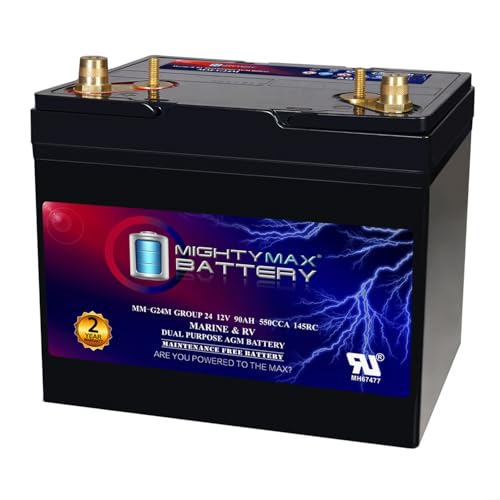
Mighty Max Battery MM-G24M 12V 90Ah

Interstate Batteries Marine/RV Battery 12V 70Ah
More Details On Our Top Picks
For small boats and trolling setups, this Newport battery keeps the story simple. The sealed AGM design means you are not dealing with fluid top-offs, and the carry handle helps when the battery needs to move between storage and deck.
The trade-off is that AGM usually asks for more weight than lithium, so portability is relative here. Still, for a weekend angler or a casual marina setup, the mix of marine focus and easy handling makes sense without overcomplicating the rig.
Strong Points
- Sealed AGM construction keeps routine upkeep low.
- Built for trolling motor use, so it fits common boat setups cleanly.
- Carry handle makes transport less awkward in tight marina spaces.
- 12V, 50Ah capacity suits moderate marine electrical loads.
Points To Note
- AGM batteries tend to weigh more than lithium options in this lineup.
- The 50Ah capacity suits moderate demand better than long, power-hungry days.
- Handle placement helps, but larger boats may still want more capacity.
Feature Snapshot
Who It Suits Best
You get the most from this battery in a small fishing boat, dinghy, or trolling motor setup that needs steady power without extra fuss.
Where A Sibling Pick Shines
SUPER EMPOWER 12V 100Ah LiFePO4 Battery suits you better when you need more runtime and lighter carry weight for an RV or solar-backed setup.
This pair makes the most sense in smaller builds where space matters more than brute capacity. A 40A BMS, meaning battery management system, helps oversee charge and discharge behavior, which is useful in toy systems, lighting kits, and fish-finder rigs.
Compared with the Newport AGM battery, this lithium set should feel much easier to carry and position, especially in cramped enclosures. The catch is that the 20Ah size suits smaller loads, so you are choosing convenience and flexibility over long runtime.
What We Like
- Two-battery pack gives you flexible installation options.
- Lithium LiFePO4 chemistry keeps weight down compared with lead-acid styles.
- 40A BMS adds a layer of charge control for everyday use.
- Useful for compact gear like scooters, toys, and small electronics.
Worth Noting
- 20Ah capacity is better for smaller draw profiles than all-day heavy use.
- The pair format helps planning, but it can be more battery than a single-device setup needs.
- Connector planning matters in tight spaces, especially around mounting and cable routing.
Core Details
Whose Shelf It Belongs On
You should look at this set for compact equipment, hobby projects, or portable power where small size and low carry burden matter.
Another Choice May Suit
GOLDENMATE 12V 10Ah Lithium LiFePO4 Battery 2 Pack fits better for very small, sealed setups that place a bigger premium on waterproofing than on capacity.
This one is aimed at serious runtime planning, not just casual backup power. The 1280Wh rating, meaning watt-hours, points to stored energy that can support longer stretches in an RV, on a trolling motor, or in a solar battery bank.
The 100A BMS, low-temperature cutoff, and 4P4S expansion support make it much more adaptable than the smaller SEFEPODER packs. The honest read is that you are paying for headroom, and that makes sense for campers who want fewer compromises.
Reasons To Buy
- Group 24 sizing makes fit planning simpler in many standard compartments.
- 100A BMS supports heavier electrical demands than the smaller batteries here.
- Low-temperature cutoff adds useful restraint in cold-weather setups.
- Expansion support gives you room to grow a bigger power system later.
- LiFePO4 chemistry usually keeps weight lower than a comparable lead-acid battery.
Areas To Watch
- Capacity and features make this more battery than a simple light-use toy rig needs.
- Expansion plans only matter when you have a real path to use them.
- Installation planning matters because larger battery banks need clean cable management.
Details At A Glance
Built With In Mind
You will get the best fit from this model in an RV, marine, or off-grid setup that needs more stored energy and room to expand.
Where A Sibling Pick Shines
VEVOR Deep Cycle Battery 12V 40Ah AGM fits better for simpler mobility gear that benefits more from a maintenance-light AGM layout than from expansion features.
Compared with the earlier SEFEPODER pack, this version leans into simpler connection hardware. Screw terminals are straightforward for lighting circuits, small electronics, and fish-finder installs where you want a clean, direct hookup.
It still sits in the compact, lower-capacity lane, so it is not the pick for long runtime or big loads. For most garage projects, though, the easier terminal style and two-pack format make it feel practical rather than fussy.
Upsides
- Screw-terminal design keeps connection planning straightforward.
- Two-pack format works well for paired or backup use.
- LiFePO4 chemistry keeps weight lower than many older battery styles.
- Useful for lighting, fish finders, and compact hobby power.
Softer Spots
- 20Ah capacity is better suited to modest draw patterns.
- Screw terminals are simple, but they still need neat cable management.
- Not intended for vehicle starting, so it belongs in accessory-focused roles.
Feature Card
Who Should Grab It
You should look here for compact accessory circuits, hobby gear, or light-duty battery swaps where easy wiring matters.
Another Choice May Suit
Newport 12V50Ah Deep Cycle Marine Battery fits better for boat owners who need more runtime and a marine-first layout.
Water exposure changes the conversation, and that is where this GOLDENMATE pair stands apart from the lighter-duty packs above it. The IP67 rating means the enclosure is built for dust protection and short-term immersion resistance, which gives extra peace of mind around boats, campsite gear, and outdoor toys.
It also carries a 5000-plus cycle claim and built-in BMS protection, so the design feels aimed at repeat use rather than occasional backup. You may find the 10Ah size a little modest for larger electronics, but for portable gear it keeps the package compact and easy to stash.
Highlights
- IP67 housing suits wet or dusty environments better than many basic packs.
- Two-battery bundle works well for small portable systems.
- 5000-plus cycle rating suggests strong long-term service potential.
- Built-in BMS supports charge and discharge oversight.
- Compact 10Ah format stays easy to store and carry.
Minor Gripes
- 10Ah capacity is best kept for small loads.
- The weather-ready shell adds confidence, but it does not change the need for clean wiring.
- For larger runtime demands, this sits below the bigger 20Ah and 100Ah options.
Core Details
Right Fit For
You should look at this pair for outdoor toys, portable lighting, and marine-adjacent gear that lives in a harsh environment.
Reach For A Different Pick When
Interstate Batteries Marine/RV Battery 12V 70Ah suits you better when you want one battery with more conventional marine-and-RV crossover use.
This VEVOR model is the straightforward AGM choice in the middle of the field. AGM, short for absorbent glass mat, keeps electrolyte absorbed inside the battery structure, so routine maintenance stays low and there is no liquid topping-up chore.
That makes it appealing for mobility scooters, electric wheelchairs, and similar everyday equipment where dependable fit matters more than flashy extras. The 7.8 x 6.5 x 6.7-inch footprint also gives you a clear mounting target, though the self-discharge wording on the listing is worth reading carefully before planning long storage gaps.
Best Bits
- AGM design keeps upkeep simple for regular owners.
- 40Ah capacity lands in a useful middle range for light-to-moderate equipment.
- Compact dimensions help with fit planning in enclosed battery bays.
- Works well for mobility gear that benefits from steady, familiar battery behavior.
Room For Improvement
- Heavy-duty runtime demands may call for more capacity.
- The listing language around self-discharge deserves a careful look before long storage use.
- AGM brings convenience, but it does not match lithium carry weight.
Quick Facts
The Right Fit
You should look here for mobility scooters, wheelchairs, and compact electric gear that benefits from easy upkeep and a familiar battery form.
Swap It Out When
SUPER EMPOWER 12V 100Ah LiFePO4 Battery is the stronger move for longer RV or marine runtime and a lighter overall carry.
This is the most mixed-purpose battery in the lineup, and that flexibility matters for boat owners who want one unit to start the motor and keep gear running. The 90Ah rating, along with 550 CCA, 700 MCA, and 145 reserve capacity, gives you a clearer sense of its dual-role intent than the smaller batteries above it.
Compared with the single-purpose Newport model, this Mighty Max leans harder into cranking power without giving up deep-cycle use. The trade-off is size and weight, so it fits best where you can spare the room and actually use both sides of that dual-purpose design.
Plus Points
- Dual-purpose design supports both starting and sustained draw.
- 90Ah capacity gives you more headroom than the smaller AGM options here.
- 550 CCA and 700 MCA help engine-start planning in marine settings.
- Spill-proof AGM format keeps maintenance low.
- Reserve capacity gives you another useful runtime clue for planning.
Small Caveats
- Its size makes it a better fit for boats and rigs with space to spare.
- Dual-purpose batteries involve a compromise between crank strength and deep-cycle focus.
- AGM is convenient, though not as light as lithium.
Technical Sheet
Who Will Love This
You should look here for boats, mixed marine use, or rugged setups that need one battery to start and support accessories.
Look Elsewhere When
Interstate Batteries Marine/RV Battery 12V 70Ah is the steadier choice for a simpler dual-purpose profile with a more familiar brand lineup.
Interstate keeps this model in the familiar marine and RV lane, which helps a lot when you want one battery that can cover starting duties and general house power. The 70Ah capacity and 750CCA rating give you a stronger starting story than some of the smaller AGM options, while still staying in a practical group 24 format.
Compared with the Mighty Max MM-G24M, this pick feels a touch more straightforward because it leans less into broad spec stacking and more into clean crossover utility. For weekend campers and boat owners who like a known format, that can be the easier decision.
Highlights
- Dual-purpose marine and RV use keeps it versatile.
- 70Ah capacity lands in a useful middle ground for many setups.
- 750CCA gives you a stronger starting profile than several lighter-duty models.
- AGM format helps reduce maintenance hassles.
Honest Caveats
- It sits below the biggest-capacity battery in this roundup for long runtime.
- AGM still carries more weight than lithium alternatives.
- It makes the most sense where group 24 fit is already part of the plan.
Feature Rundown
Who Should Grab It
You should consider this battery for a boat or RV setup that needs a familiar group 24 size and dependable dual-purpose behavior.
Skip It When
SUPER EMPOWER 12V 100Ah LiFePO4 Battery is the better path for bigger off-grid systems that need more stored energy and lighter carry weight.
How To Choose The Right Lightweight Deep Cycle Battery
Chemistry Comes First
AGM and LiFePO4, short for lithium iron phosphate, solve the same job in different ways. AGM is usually simpler and more familiar, while lithium tends to cut carry weight and open up more usable runtime in portable setups.
That choice matters most in boats, campers, and mobility gear where every pound and every amp-hour has a job to do. A lighter battery helps in the hand, but the real payoff is how well the battery matches your system’s draw pattern.
Capacity Should Match The Load
Ah, or amp-hours, tells you how much energy a battery can store in broad terms. Smaller numbers fit lights, fish finders, and toys, while bigger numbers make more sense for RV house loads, trolling motors, and longer stretches between charges.
Group size matters too, because a battery can have the right capacity and still miss the tray. Measure the compartment before you shop, then compare the dimensions or group number rather than guessing from the listing title alone.
Maintenance And Handling Shape Daily Use
Sealed AGM batteries reduce routine upkeep, which helps in marine use and tight battery bays. Lithium usually gives you easier carry weight, and that becomes obvious the moment you move the battery from storage to a boat or service hatch.
Terminal style matters as well. Screw terminals suit simple accessory runs, while standard post layouts tend to fit broader marine and RV wiring habits more comfortably.
Think In Terms Of Real Scenarios
A weekend angler needs different things than someone running a campsite solar bank. One wants dependable starting and trolling support, the other wants stable stored energy and room to expand later.
That is why the strongest choice is rarely the most expensive one. The right battery is the one that matches your runtime, weight, and mounting limits without asking you to redesign the whole setup.
What To Weigh Before You Order
Hidden Buying Traps
Shoppers often focus on voltage and skip capacity, which leads to short runtime complaints later. Another common miss is buying a battery that fits the power needs but not the tray, terminal layout, or charging routine.
Pay close attention to whether the battery is meant for starting, deep-cycle use, or both. A dual-purpose AGM can cover more ground, but a pure deep-cycle lithium model may suit accessory-heavy setups better.
The Upgrade Payoff
Higher-tier batteries usually bring better chemistry, stronger BMS control, more storage, or a tougher enclosure. That adds cost because the cell quality, safety circuitry, and build materials are doing more work behind the scenes.
Spending up makes sense for frequent travel, rougher environments, or systems that stay in service for long stretches. For casual weekend use, a simpler AGM model can still be the smarter fit.
Closing Thoughts
Your best match depends on how hard you plan to work the battery and how often you need to move it. Lightweight lithium picks make everyday handling easier, while AGM options still hold strong appeal for marine and RV setups that value familiar maintenance habits. Once you line up fit, capacity, and use case, the right choice becomes much clearer.
