

Boats, RVs, trailers, and off-grid rigs all ask different things from a Group 31 Battery. Some setups need strong cranking, some need long, slow discharge, and some need both without turning your storage bay into a tangle of extra gear. This roundup focuses on the mix of batteries, trays, and boxes that make those jobs easier to live with day after day.
Quick Look At Our Shortlist

Weize BCI Group 31M Dual Purpose AGM Battery 110AH

T-H Marine Battery Tray with Stainless Steel Buckle

Litime 12V 165Ah Dual Purpose Cranking Starting LiFePO4 Battery
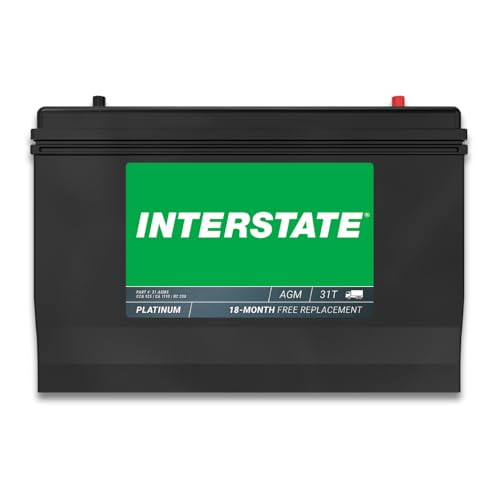
Interstate Batteries Marine/RV Battery 12V 100Ah 925CCA 1110CA Group 31 AGM

Seachoice Premium Durable Battery Tray Group 31

Redodo Smart Battery Box Group 24/27/31

Odyssey Battery ODX-AGM31 Extreme Series AGM Battery

Interstate Batteries Marine/RV Battery 12V 100Ah 925CCA Group 31M AGM
More Details On Our Top Picks
The Weize unit makes sense for a boat or RV that wants one battery to handle starting duty and slower drain jobs without splitting storage space. AGM, or absorbed glass mat, means the electrolyte sits in fiberglass separators, which helps keep the battery sealed and easier to place in tighter spots.
You may like the 110Ah capacity and 825CCA pairing if your setup expects both engine cranking and accessory draw in the same outing. Compared with the T-H Marine tray or the Redodo box, this is the part that actually supplies power, so it suits you best when the priority is the battery itself, not the container around it.
Strong Points
- Dual-purpose design fits starting and house-style loads in one unit.
- 110Ah gives you room for longer accessory use on the water or at camp.
- 825CCA adds a solid starting reserve for many marine and RV setups.
- Sealed AGM construction keeps maintenance simple, which helps in cramped battery compartments.
Things To Consider
- At this size, it still needs proper securing, so a tray or box matters.
- Dual-purpose batteries rarely feel as specialized as a dedicated starting or deep-cycle choice.
- You may want to confirm terminal orientation before wiring a tight compartment.
Feature Snapshot
Who It Suits Best
You should look here for a boat or RV that needs one sealed battery to do more than one job without added fuss.
Where A Sibling Pick Shines
Interstate Batteries Marine/RV Battery 12V 100Ah 925CCA Group 31M AGM suits you better when you want a familiar marine-focused dual-purpose option with a slightly different balance of output and branding.
Some setups do better with restraint than with extra electronics, and this tray fits that idea neatly. Stainless steel in the buckle and holder hardware matters because marine gear gets shaken, splashed, and moved around more than a basement shelf ever would.
It’s a straightforward support piece for a 31-series battery, especially in a boat that sees rough water or an RV compartment that needs a cleaner hold-down setup. Compared with the Weize battery, this doesn’t store energy at all, so it belongs in a build where secure mounting is the real need.
What We Like
- Rigid tray format gives the battery a fixed base.
- Stainless steel buckle suits wet, vibration-heavy environments.
- Simple layout keeps installation familiar for most marine or RV mounts.
- Works well as a support piece for a Group 31 battery.
Worth Noting
- You still need the correct battery size and a proper tie-down setup.
- Because it’s a tray, it won’t add outlets, meters, or charging features.
- Corrosion resistance helps, but regular rinsing and inspection still make sense near salt or spray.
Details At A Glance
Made For
You should reach for this when your battery already fits the job and you mainly need it locked down safely.
Another Choice May Suit
Redodo Smart Battery Box Group 24/27/31 suits you better if you want enclosed storage plus built-in outlets and a voltage readout.
This is the most ambitious battery in the group, and the lithium iron phosphate chemistry is the reason. LiFePO4 batteries usually bring lower weight and steadier output than AGM, which makes a difference on boats where every pound and every launch day step matter.
The 1200CCA rating and the stated self-heating feature point it toward colder starts and heavier-duty outboard use, while the 165Ah capacity gives you broad reserve for electronics. You may find the compatibility list especially useful, since this one is tuned around specific outboard brands rather than being a generic all-purpose fit.
Highlights
- LiFePO4 construction brings a modern alternative to AGM.
- 165Ah offers a large reserve for marine electronics and longer outings.
- 1200CCA gives it serious starting intent for an outboard application.
- Self-heating adds practical value in colder conditions.
- Compatibility notes for Mercury, Honda, Suzuki, and others make matching easier.
Minor Gripes
- Brand and engine matching deserve extra attention before mounting.
- The feature set is richer than a basic AGM, so the setup asks for more planning.
- Users with simple camp or backup power needs may find it more battery than they need.
Core Details
Built With In Mind
You should look here for an outboard owner who wants lithium performance and has already checked brand fit carefully.
Swap It Out When
Weize BCI Group 31M Dual Purpose AGM Battery 110AH suits you better if you want a simpler AGM path with less compatibility homework.
Interstate’s 2-in-1 marine and RV format lands in a very useful middle ground. The pure lead AGM build is aimed at cranking and sustained discharge, which helps when your boat powers both the motor and a spread of electronics, from fish finders to audio gear.
The honest read is that this style works best for people who want familiar marine battery behavior without a lot of setup drama. Compared with the Weize BCI Group 31M Dual Purpose AGM Battery 110AH, this one leans into a more established marine brand feel and a slightly different output balance.
Upsides
- Dual-purpose behavior suits both engine starts and accessory loads.
- 100Ah gives a clear capacity target for everyday marine use.
- 925CCA and 1110CA point to strong cranking support.
- AGM construction keeps routine upkeep lighter than flooded batteries.
Areas To Watch
- Heavy accessory use can still call for careful charging habits.
- At this size, proper securing in the compartment still matters.
- Some setups may want either a larger reserve or a lithium path instead.
Feature Card
The Right Fit
You should choose this when you want a marine-friendly AGM battery that handles both cranking and accessory duty with familiar proportions.
Reach For A Different Pick When
Litime 12V 165Ah Dual Purpose Cranking Starting LiFePO4 Battery suits you better if you want lighter lithium construction and a larger reserve.
Once you’ve chosen the battery, a tray like this becomes the quiet workhorse that keeps everything where it belongs. Seachoice keeps the design plain and useful, with a base tray, perimeter piece, and stainless steel hold-down rods that matter more than fancy styling ever would.
This is a tidy fit for a boat compartment or RV battery bay where you want a stable home for a Group 31 battery and little else. Compared with the T-H Marine tray, this one is another straightforward hold-down option, so your choice may come down to layout, fit preference, and the exact hardware shape you want around the battery.
Best Bits
- Simple tray-and-hold-down layout keeps battery placement straightforward.
- Stainless steel rods suit damp marine storage better than plain hardware.
- Base tray and top perimeter piece create a more complete cradle.
- Good match for a single Group 31 battery installation.
Softer Spots
- You still need to verify space and mounting points before ordering.
- This is hardware only, so it won’t help with voltage, runtime, or charging.
- Corrosion-resistant parts still benefit from routine cleaning in wet environments.
Core Details
Whose Shelf It Belongs On
You should choose this for a straightforward marine or RV battery install that needs solid retention more than extra features.
Look Elsewhere When
Redodo Smart Battery Box Group 24/27/31 suits you better if you want built-in power ports and a voltage display in the same enclosure.
Some battery setups need a box, some need a portable power hub, and this Redodo piece leans into the second idea. It accepts multiple Group sizes and adds a 12V outlet, a QC 3.0 fast-charge port, and a Type-C port, so you can run small DC devices without building a separate power station.
That makes it handy in a trailer, boat, or RV where the battery needs to travel and serve more than one role. Compared with the Seachoice tray, this is much more interactive, though the trade-off is that a more complex box asks you to think about device load, cable routing, and space around the lid.
Bright Spots
- Built-in outlets reduce the need for separate add-on power accessories.
- Digital voltage display helps you keep an eye on battery status.
- Accepts Group 24, Group 27, and Group 31 batteries for broader fit.
- PC/PBT housing suits a portable use case better than a bare tray.
- 66 lb load capacity gives a clear handling reference for the box structure.
Points To Note
- The added ports are useful, but they also add more to manage and keep clean.
- You’ll want to plan cable exits so the box stays tidy in motion.
- This is not a substitute for choosing the right battery chemistry or capacity.
Quick Facts
Perfect Match For
You should grab this if your battery setup doubles as a portable power source and you want built-in outlets in the same package.
Skip It When
T-H Marine Battery Tray with Stainless Steel Buckle suits you better if all you need is a simple hold-down platform without extra electronics.
Odyssey has a reputation for building batteries with a serious-duty mindset, and this AGM model fits that profile. The tightly packed pure lead plates and non-spillable design point toward better tolerance for vibration, which matters in commercial vehicles, farm rigs, and work equipment that bounce more than a weekend cruiser.
You may find it especially appealing when your battery has to start the job and keep going until the task ends. Compared with the Interstate Batteries Marine/RV Battery 12V 100Ah 925CCA 1110CA Group 31 AGM, this one leans more toward rugged-duty use than general marine convenience.
Reasons To Buy
- AGM format keeps the battery sealed and easier to place in varied gear bays.
- Pure lead plates point to a heavier-duty build approach.
- Vibration tolerance is a strong match for rough equipment and travel.
- Good fit for work vehicles and utility equipment that see hard use.
Small Caveats
- The heavier build can make handling less convenient during installation.
- Its strength profile is more duty-focused than casual weekend use needs.
- Battery retention hardware still matters, especially in mobile applications.
Spec Overview
Best Suited To
You should choose this for rough-use vehicles and work equipment that ask more from a battery than a calm weekend run.
Where Another Pick Suits Better
Weize BCI Group 31M Dual Purpose AGM Battery 110AH suits you better if your use case leans more toward marine or RV versatility than hard-duty equipment.
This Interstate model covers the familiar marine dual-purpose lane well, which is exactly why it lands near the end of the list without feeling like an afterthought. It’s built to start the motor and support a trolling motor, so it suits you when one battery needs to stay useful throughout a full day on the water.
The 100Ah capacity keeps it in a practical range for many boats, and the AGM format keeps the upkeep lighter than flooded designs. Compared with the Odyssey ODX-AGM31 Extreme Series AGM Battery, this one feels more at home in everyday marine use than in a hard-duty work rig.
Standout Traits
- Dual-purpose design fits common marine and RV needs.
- 100Ah keeps the capacity easy to plan around.
- 925CCA supports engine starts with useful confidence.
- AGM construction keeps routine care simple.
Honest Caveats
- You may want more reserve if your accessories run for long stretches.
- It still needs secure mounting in a proper tray or box.
- Users chasing the lightest possible setup may prefer lithium instead.
Feature Rundown
Who Should Grab It
You should choose this if you want a straightforward dual-purpose marine battery for regular boating rather than a specialty setup.
Where A Sibling Pick Shines
Litime 12V 165Ah Dual Purpose Cranking Starting LiFePO4 Battery suits you better if long reserve time and lighter weight matter more than the familiar AGM route.
How To Choose The Right Group 31 Battery
Match the battery job to the day
A Group 31 Battery can do very different work depending on the setup. A boat that only needs ignition support can live with a different profile than an RV running lights, pumps, and appliances for hours.
AGM, or absorbed glass mat, is a sealed lead-acid style that usually asks less maintenance than flooded batteries. LiFePO4, or lithium iron phosphate, shifts the conversation toward lighter weight, steadier output, and a very different price band.
Look at starting power and reserve together
CCA means cold cranking amps, the number that points to starting strength in colder conditions. Ah means amp-hours, which is the reserve side of the story and matters more when accessories stay on after the engine is quiet.
A battery with strong CCA but limited reserve can feel fine at launch and thin later in the day. A higher Ah battery helps the electronics side, though that extra reserve usually comes with more size, weight, or expense.
Think about mounting and protection
A battery only works well when it stays put. That’s where trays and boxes matter, because rough roads, chop, and vibration can turn a loose install into a headache.
A simple tray suits a clean battery bay, while a battery box makes more sense for portable or multi-device setups. The Redodo box even adds ports and a voltage display, which helps in mobile power builds, but it also asks for a bit more cable management.
Match brand fit to the engine and accessories
Some marine batteries are built around broad Group 31 use, while others are tuned for specific outboard brands or working conditions. The Litime battery, for example, asks for a closer compatibility check than a more general AGM option like the Weize or Interstate units.
That extra checking can save you from mounting the wrong chemistry for the wrong task. For most simple marine or RV setups, a clear dual-purpose AGM stays the easiest path.
Before You Click Through
Common Shopping Slip Ups
A lot of Group 31 mistakes start with size confusion. Group 31 and Group 31M may look similar in conversation, but fit, terminal layout, and tray shape still deserve a close look before you commit.
Another easy miss is buying a battery without the hardware to keep it steady. A strong battery in a loose bay is like a good anchor tied to the wrong rope, and nobody enjoys that kind of surprise on the water.
What The Higher Tier Buys
More expensive models usually bring chemistry upgrades, stronger cranking numbers, better vibration tolerance, or extra protection features. That’s why the Litime lithium pack and the Odyssey heavy-duty AGM sit above basic tray-only accessories in complexity and cost.
Spending up makes sense when your gear works hard, your conditions are rough, or your battery gets used often. For lighter weekend use, a simpler AGM or a basic tray may be the more sensible place to put the budget.
Final Thoughts
A good Group 31 Battery choice depends on how your setup actually gets used, not just on the label. The Weize and Interstate AGM options suit broad marine and RV use, while the Litime battery serves a more specialized outboard owner. Hardware like the T-H Marine tray or Seachoice tray matters just as much when secure mounting is part of the job. Choose the mix that fits your engine, your space, and how often you really go out.
