

A boat battery has to do more than start an engine. You need steady cranking, enough reserve for onboard gear, and a form factor that fits your compartment without turning installation into a wrestling match. That matters whether you spend weekends on a small lake boat, run a trolling motor for hours, or keep an RV and boat on the same charging routine.
This shortlist focuses on AGM and lithium options that make sense for real ownership, not just spec sheets. You’ll see where a lighter lithium pack helps, where a dual-purpose AGM gives more flexibility, and where a dedicated starting battery earns its keep.
Quick Look At The Shortlist

Weize Dual Purpose AGM Battery Group 24M
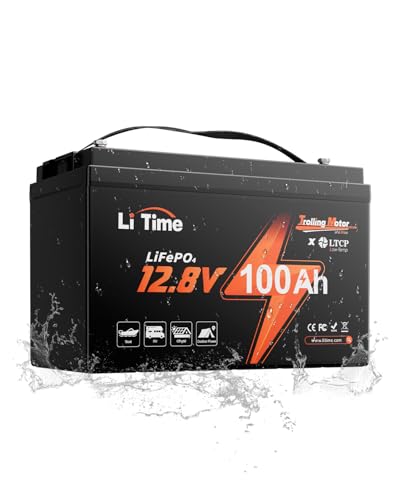
Litime 12V 100Ah LiFePO4 Battery Group 31

OPTIMA 34M BLUETOP Sealed AGM Starting Battery

OPTIMA D31M BLUETOP Dual Purpose AGM Battery

Newport 12V50Ah Deep Cycle Marine Battery

Weize BCI Group 31M Dual Purpose AGM Battery

Weize Dual Purpose AGM Battery Group 27M

Interstate Batteries Marine/RV Battery Group 34M AGM
More Details On Our Top Picks
The Group 24M size lands in a useful middle zone for smaller boats that still need both starting power and some reserve. Its AGM design, which means absorbed glass mat, helps keep maintenance simple because the electrolyte stays sealed inside the case, so you are not topping off liquid cells.
That makes it a sensible fit for weekend fishing rigs, compact pontoons, and RV setups that see mixed duty. The trade-off is straightforward, it gives up some capacity compared with the larger Group 31 options in this list, so you would choose it for fit and balance rather than sheer runtime.
Strong Points
- Dual-purpose design suits starting and light house loads.
- Sealed AGM construction cuts down on routine attention.
- 550 CCA, or cold cranking amps, gives a clear starting benchmark for cool mornings.
- 150 reserve capacity helps when the motor is off and electronics stay on.
- Group 24M sizing can be easier to fit in tighter battery trays.
Worth Noting
- Smaller capacity means less cushion than the Group 27M and Group 31M picks.
- Heavy sealed batteries still need sensible lifting and secure mounting.
- Mixed-use batteries can feel less specialized than a dedicated starting-only unit.
Feature Snapshot
Who It Suits Best
You’ll get the most out of this pick if you run a smaller boat, keep the electrical load modest, and want one battery to cover both cranking and short accessory use.
Where A Sibling Pick Shines
Weize BCI Group 31M Dual Purpose AGM Battery suits larger setups better, especially when you need more reserve and a stronger starting cushion.
This is the lightest-feeling path in the list for trolling motor use, because lithium iron phosphate, often shortened to LiFePO4, trims a lot of weight while keeping voltage steadier under load. The Group 31 footprint also helps it drop into common marine battery spaces without a custom layout.
You’ll appreciate the low-temp protection more than the cycle count in most real boats, because charging is blocked below freezing and discharge is blocked below minus four degrees Fahrenheit. The honest trade-off is that lithium asks for a higher upfront outlay and more attention to charger compatibility than the AGM picks around it.
Highlights
- 100Ah capacity supports longer trolling sessions and accessory use.
- 100A BMS, or battery management system, adds electronic control over current handling.
- Low-temperature cutoffs reduce cold-weather charging strain.
- IP65 protection helps with dust and splash exposure around marine storage areas.
- At 22.16 pounds, it is far easier to move than a comparable lead-acid battery.
- Group 31 size improves tray compatibility for many boats and RVs.
Points To Note
- Lithium batteries usually ask for charger and system checks before installation.
- Cold-weather limits mean winter charging routines need more care.
- Best value shows up most clearly in frequent-use rigs, not occasional weekend storage.
At A Glance
Made For
Serious anglers and frequent boat users who want lower weight, longer runtime, and a battery that keeps voltage steadier during long days on the water will get the most value here.
A Better Fit Elsewhere
Newport 12V50Ah Deep Cycle Marine Battery suits lighter-duty setups better, especially when you want sealed AGM simplicity without moving up to lithium.
Some boat setups need a straight starter more than anything else, and that’s where the 34M BLUETOP makes sense. The spiral-cell AGM format is meant for cranking strength and cleaner maintenance habits, so you’re not juggling liquid checks or a complicated upkeep routine.
Compared with the dual-purpose picks above, this one is more focused and less flexible. That trade-off works well for boats where the engine battery has one job and the house loads live somewhere else.
What We Like
- 800 CCA gives a strong starting benchmark for larger engines.
- Dual terminal design can simplify cable routing in cramped compartments.
- Maintenance-free AGM setup reduces routine attention.
- Versatile mounting helps in boats with awkward battery placement.
- Starting-focused design fits boats that already have a separate accessory battery.
Softer Spots
- Starting focus leaves less flexibility for long accessory runs.
- AGM weight is still noticeable during installation.
- Owners with heavy trolling-motor use may want a dual-purpose or deep-cycle option instead.
Technical Sheet
Right Fit For
You’ll appreciate this most in a boat that needs dependable engine starts and already has another battery handling the rest of the electrical load.
Skip It When
OPTIMA D31M BLUETOP Dual Purpose AGM Battery suits you better when the same battery has to start the motor and carry more onboard use between runs.
The D31M moves beyond the starter-only shape of the 34M and gives you a more flexible marine battery for mixed-duty boats. With 900 CCA, you get a stronger starting figure on paper, while the dual-purpose design keeps the battery useful for both cranking and moderate accessory demand.
That extra range is helpful on boats with more electronics, livewell use, or longer anchor time. The catch is size and weight, so this makes more sense in a larger compartment where the mounting tray and cable run can handle it comfortably.
Reasons To Buy
- Dual-purpose layout handles engine starts and accessory support.
- 900 CCA offers a stronger starting rating than the 34M model above.
- Maintenance-free AGM construction keeps routine care light.
- Versatile mounting broadens placement options in marine and RV spaces.
- Works well for boats that spend more time under mixed electrical loads.
Areas To Watch
- Bigger battery cases take more planning during installation.
- Heavier dual-purpose units are less convenient to move by hand.
- Pure trolling-motor users may prefer a deep-cycle-focused battery instead.
Core Details
Built With In Mind
This suits boat owners who want one battery to shoulder more of the workload, especially on vessels where the engine and accessories share the same power pool.
Reach For A Different Pick When
Weize Dual Purpose AGM Battery Group 24M fits better for smaller compartments and lighter electrical demands.
This Newport battery is built for smaller marine setups that want a sealed AGM deep-cycle layout without extra bulk. The carrying handle is a practical touch, because a compact battery often gets moved more than a big fixed unit in canoes, jon boats, or portable trolling setups.
Its 50Ah capacity keeps the use case clear, steady accessory support rather than all-day heavy electrical demand. That narrower focus is the trade-off, and it’s a fair one for lightweight boats where every pound matters.
Bright Spots
- 50Ah capacity works well for lighter onboard loads.
- Sealed AGM design keeps maintenance straightforward.
- Lightweight build is easier to carry and install.
- Built-in handle helps during transport and storage.
- Trolling motor compatibility suits smaller fishing boats.
Small Caveats
- Lower capacity means shorter runtime than the 100Ah lithium and larger AGM picks.
- Deep-cycle focus makes it less suitable as a main cranking battery.
- Frequent heavy loads can outgrow this size quickly.
Details At A Glance
Whose Shelf It Belongs On
You’ll like this most for a small boat, kayak-style rig, or portable trolling setup where easy carrying matters as much as power.
Another Choice May Suit
Litime 12V 100Ah LiFePO4 Battery Group 31 is the stronger match for longer outings and heavier electrical demand.
The Group 31M version steps up in size, reserve, and cranking support, so it fits boats that do more than just start and drift. At 110Ah, it gives you a larger working cushion than the Group 24M and Group 27M picks, which helps when electronics, pumps, and starting loads all share the same battery bank.
That kind of capacity is useful on long days or in boats with heavier gear, though the physical footprint asks for a roomy tray and easier access during installation. In most setups, the extra size pays off only when the boat actually needs that much battery.
Standout Traits
- 110Ah capacity supports heavier mixed use.
- 825 CCA gives solid starting support for larger engines.
- 240 reserve capacity leaves more room for accessory use after shutdown.
- Dual-purpose AGM design fits start and deep-cycle needs.
- Sealed build keeps upkeep simple for busy boat owners.
Honest Caveats
- Big case size needs more installation space than the smaller Weize options.
- Heavy batteries are less friendly for frequent removal.
- More capacity makes sense only when your boat actually draws it.
Feature Rundown
Best Suited To
This suits boaters who need a single battery to carry cranking duties and more sustained onboard load without feeling stretched thin.
Look Elsewhere When
Interstate Batteries Marine/RV Battery Group 34M AGM works better for a simpler cranking-first setup with less emphasis on large reserve numbers.
The Group 27M sits neatly between the smaller Group 24M and the heavier Group 31M, which makes it a sensible middle-ground choice for many boats. With 92Ah and 580 CCA, it gives you more breathing room than the 24M without asking for as much space as the 31M.
That balance helps in everyday fishing rigs, family boats, and marine setups where you want one battery to do a little of everything without going oversized. The compromise is simple, it is not the strongest option in the list for either starting punch or reserve time.
Best Bits
- Middle-ground capacity suits a wide range of boats.
- Dual-purpose layout covers starting and moderate reserve needs.
- Sealed AGM construction keeps upkeep uncomplicated.
- 580 CCA is a workable starting figure for many marine engines.
- Group 27M size can fit where a 31M battery feels too large.
Trade Offs
- Not as much reserve as the Group 31M options.
- Not as compact as the Group 24M choice.
- Mixed use is practical, but not specialized.
Quick Facts
Who Should Grab It
You’ll probably like this most if you want a balanced marine battery and your boat uses a moderate amount of power without pushing into heavy-duty territory.
Where A Sibling Pick Shines
Weize BCI Group 31M Dual Purpose AGM Battery is the better fit for larger rigs that need more reserve and stronger overall headroom.
The Interstate Group 34M reads like a clean dual-purpose setup for boaters who want cranking support and a sensible amount of accessory power in one battery. With 800 CCA and 62Ah, it sits in a useful practical zone, not oversized, not stripped down, which is often what matters in straightforward marine rigs.
Compared with the Weize dual-purpose options, this one leans into a simple, familiar marine RV profile rather than chasing bigger capacity. That makes it a steady match for people who want a measured, no-fuss battery and don’t need the larger footprint of the Group 31M class.
Positives
- Dual-purpose layout supports both engine start and lighter onboard use.
- 800 CCA gives a strong starting reference for many boats.
- Group 34M size can suit tighter battery spaces.
- AGM construction keeps upkeep simple.
- Works well in marine and RV crossover setups.
Minor Gripes
- 62Ah capacity is smaller than the larger dual-purpose batteries here.
- Heavier loads and long trolling sessions may outgrow it.
- Some boats will want more reserve than this model offers.
Core Details
Who Will Love This
You’ll get the best fit from this one if your boat needs a straightforward starting battery with some accessory support and a compacter footprint.
Swap It Out When
Newport 12V50Ah Deep Cycle Marine Battery makes more sense for very light rigs that care more about portability than engine cranking headroom.
How To Choose The Right Cranking Battery For Boat
Start With The Job Your Battery Has To Do
A cranking battery is built to deliver a short burst of high current for engine startup, while a deep-cycle battery is made to supply power more slowly over a longer stretch. For a boat that only needs reliable ignition, a starting battery like the OPTIMA 34M makes sense, but mixed-use boats usually benefit from a dual-purpose AGM such as the Weize Group 27M or Group 31M.
The real question is how your boat spends its time. Long trolling sessions, livewell pumps, lights, and fish finders all push you toward more reserve, while a simple runabout with minimal electronics can stay leaner and lighter.
Match Size, Reserve, And Weight To Your Hull
Group size matters because it tells you whether the battery will fit the tray and leave room for cable routing. Group 24M and 27M batteries usually suit smaller compartments, while Group 31M batteries take more space but give you more capacity and breathing room.
Reserve capacity, usually shown as RC, tells you how long the battery can support modest loads when the engine is off. That number becomes more important on boats where the trolling motor and electronics stay active at anchor, and it matters less on a basic start-only setup.
Choose Chemistry With Your Climate In Mind
AGM batteries are sealed lead-acid units that usually ask less day-to-day attention than flooded batteries, and they handle vibration well in marine use. LiFePO4 batteries, like the Litime pick here, weigh less and hold voltage more steadily, but they also need charger compatibility and a little more planning in cold weather.
That trade-off becomes obvious on the ramp. A lithium battery feels easier to move and often works harder for its weight, while AGM still wins for owners who want familiar charging habits and simpler swapping between boats or RVs.
Think About How Often You Actually Launch
A weekend boat that sits in storage most of the time does not need the same battery profile as a rig that runs every other day. Frequent use justifies better capacity, better reserve, and often a higher-end build, because those features become visible in day-to-day convenience rather than sitting on paper.
For occasional use, a well-sized AGM can be the calmer choice. For regular fishing trips or longer outings, the battery that stays composed under load tends to earn its space fast.
What To Weigh Before You Click On A Battery
Common Shopping Slip Ups
A common mistake is treating every marine battery like a starter battery, then wondering why trolling time feels short. Another is buying by group size alone, while ignoring reserve capacity, because fit matters, but so does how long your electronics stay alive after the motor stops.
Cable layout causes its own headaches. Terminal placement, battery height, and tray clearance can turn a good-looking spec sheet into a poor fit once the battery reaches the compartment.
What The Higher Tier Buys
More money usually goes into stronger construction, higher usable capacity, better electronic control, or lighter chemistry. In this category, that means features like LiFePO4 battery management, higher CCA, sealed AGM packaging, and larger reserve numbers, all of which help when your boat sees heavy use or longer days on the water.
The upgrade is worth it when your current battery gets pushed hard, especially by trolling motors or multiple electronics. For light weekend runs, a midrange AGM often covers the job without extra complexity.
Closing Thoughts
You’ve got a solid range here, from compact AGM options to a lighter lithium pick that changes the feel of boat ownership. The best match comes down to your engine size, your electrical load, and how much lifting you want to do at the dock. Choose the battery that fits your real routine, not the loudest number on the page, and you’ll make your boating life a lot easier.
