

You want battery information that feels useful at a glance, not a guessing game while you’re driving, camping, or managing a solar setup. The right monitor helps you see voltage, remaining capacity, and load behavior before a weak battery turns into an inconvenient surprise. Some of the picks here are simple dash-style gauges, while others add shunts, alarms, wireless monitoring, or system integration for more serious installs.
Quick Shortlist At A Glance

DROK 48v Golf Cart Battery Meter LCD Display

ELMCONFIG BM210 LED Battery Monitor Meter

SUPNOVA 7-100V Battery Monitor Color LCD
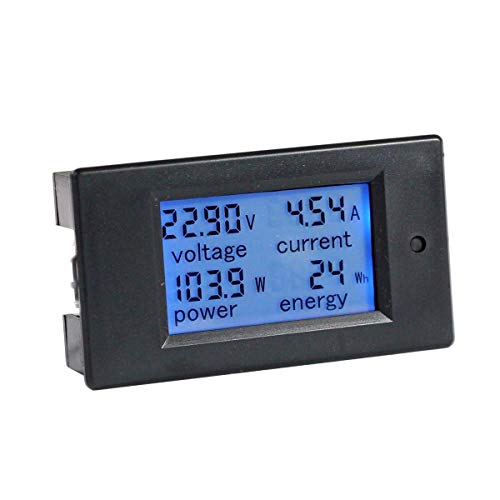
HiLetgo DC 6.5-100V 0-20A LCD Display

OBDResource Golf Club Cart Battery Monitor Meter

ANCEL BM200 PRO 12V Car Battery Monitor
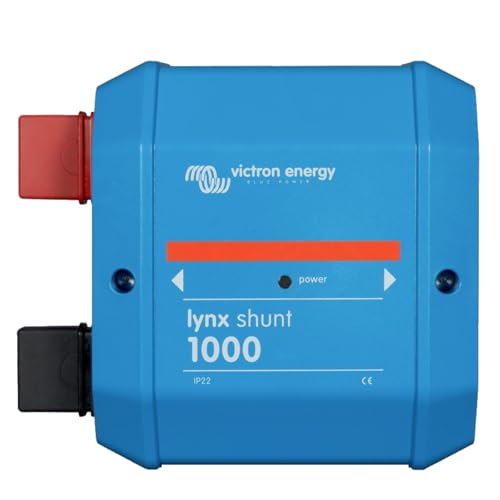
Victron Energy Lynx Shunt IP22 VE.Can 1000 amp

DROK Waterproof Battery Monitor 12V 24V 36V 48V 72V
More Details On Our Top Picks
This DROK meter makes sense for vehicles and projects that live across several battery voltages, because the 10V to 100V range covers a lot of ground. You get a straightforward LCD readout, plus temperature shown in Fahrenheit, which is useful in a crowded RV bay or a workshop where heat buildup matters more than a simple voltage number.
The trade-off is that this is a display-first tool, not a deep system monitor with shunt-based consumption tracking. For a golf cart, boat, or DIY panel that needs a clear dash-style gauge, that’s often enough, and the broad battery compatibility helps keep it flexible.
Strong Points
- Wide voltage coverage fits many battery setups.
- LCD readout keeps the status easy to scan.
- Fahrenheit temperature display adds useful context.
- Works across lithium, lead-acid, and LiFePO4 setups.
Points To Note
- It focuses on voltage and display data, not full shunt analytics.
- The temperature reading reflects the meter itself, not surrounding air.
- Owners commonly prefer a clean mounting spot, since a cluttered dash can make small screens harder to read.
Feature Snapshot
Who It Suits Best
You benefit most here if you want a simple, readable monitor for a cart, marine setup, RV, or home-built project with mixed battery voltages.
A Better Fit Elsewhere
Victron Energy Lynx Shunt IP22 VE.Can 1000 amp suits serious off-grid systems and larger power banks much better, especially where current tracking and bus-bar integration matter.
ELMCONFIG keeps the interface simple, and that matters in a golf cart or utility machine where you just want a quick sense of remaining charge. The 12V through 72V switching gives it room to fit a lot of setups, while the three-color LED bar makes the status easy to understand without studying a menu.
The draw here is speed, not detail, so it feels right for casual use and less like a diagnostic panel. For most cart owners, that’s a fair trade, though you give up the richer numerical context that items like the SUPNOVA or Victron picks can provide.
What We Like
- LED color bands are easy to read quickly.
- Broad voltage switching covers common cart systems.
- Low-complexity setup suits everyday use.
- The display helps you plan charging stops more confidently.
Softer Spots
- It gives less detail than an LCD-based monitor.
- The simpler readout may feel basic in a custom power system.
- A protected mounting spot helps the face stay easy to see and keep clean.
Quick Facts
Made For
You’ll get the most from this if you want a straightforward charge indicator for a golf cart, mower, motorcycle, or similar vehicle.
Another Choice May Suit
DROK Waterproof Battery Monitor 12V 24V 36V 48V 72V is the better fit for outdoor panels and damp environments where a sealed face matters more than a quick LED bar.
The SUPNOVA feels more like a compact control panel than a basic gauge, and that’s useful in a garage or indoor battery cabinet. The color LCD, buzzer alarm, and temperature readout give you more context than the simpler LED units above, so you can notice trouble sooner and see what the system is doing without much guesswork.
It covers a very wide voltage span, which makes it flexible for carts, marine gear, and mixed battery types, though the install is still only as tidy as your wiring. For someone who wants alerts and a more informative screen, this is a strong middle ground between plain gauges and more advanced system monitors.
Highlights
- Color LCD packs in more information at once.
- Buzzer alarm adds a clear warning layer.
- Wide operating range suits many battery banks.
- Temperature display helps you watch heat in enclosed spaces.
- Good step up from simple LED indicators.
Areas To Watch
- It is meant for indoor use, so outdoor mounting needs care.
- The richer display can feel busy in a tiny dash opening.
- Wire routing matters more here than on the simplest gauges.
Details At A Glance
Best Suited To
You’re the right match for this if you want a more informative monitor for an indoor panel, cart, or multi-use battery system.
Where A Sibling Pick Shines
HiLetgo DC 6.5-100V 0-20A LCD Display feels better for current and energy tracking, especially in a bench build where you care about amps and power rather than just battery status.
HiLetgo goes beyond a plain battery gauge, because it also tracks current, power, and energy. In a bench supply, DIY power box, or indoor equipment panel, that wider view helps you understand both the battery and the load it’s feeding, which is handy when you care about runtime and draw, not just charge level.
The built-in shunt is the key here, since a shunt measures current by sensing the voltage drop across a known resistor. That makes the display more useful for electrical projects, though the trade-off is that it wants a careful setup and a protected indoor location rather than a casual dash mount.
Upsides
- Shows voltage, current, power, and energy in one module.
- Built-in shunt supports more complete electrical monitoring.
- Energy memory after power loss helps with longer projects.
- Manual backlight control is useful in different lighting.
Worth Noting
- It is suited to DC use, not general outdoor guessing.
- Installation takes more attention than simpler plug-in gauges.
- The display is more project-focused than vehicle-friendly.
- Keeping the panel clean and readable helps a lot in cramped enclosures.
Core Details
Right Fit For
You’ll like this most if you’re building a DC panel or monitoring a load where current and power matter as much as battery charge.
Look Elsewhere When
DROK 48v Golf Cart Battery Meter LCD Display is the better match for a vehicle dash where you want a simpler battery-focused readout and less setup fuss.
OBDResource is built for cart-style use, and the voltage switching across 12V to 72V gives it a wide lane. That matters in Yamaha, EZGO, and motorcycle setups where you want one meter style that can move between different battery systems without feeling oversized.
The monitor also supports several battery chemistries, so it can sit in front of lithium, lead-acid, or lithium iron phosphate packs. The honest read is that it’s strongest as a practical dashboard tool, not as a deep diagnostic unit, but that’s enough for many cart owners who mainly want clear charge status.
Bright Spots
- Flexible voltage switching suits several cart voltages.
- Works across multiple battery chemistry types.
- Fits a simple dash where space is tight.
- Helpful for keeping daily charge checks quick.
Small Caveats
- It stays focused on charge status rather than deeper electrical analysis.
- Some setups may still need careful mounting for easy viewing.
- Routine cleaning around the display keeps the small face readable.
Feature Rundown
Whose Shelf It Belongs On
You’re a good match if you want a cart-friendly monitor for daily use on a Yamaha, EZGO, or similar ride.
Swap It Out When
ANCEL BM200 PRO 12V Car Battery Monitor is the better choice for drivers who want wireless alerts and more active monitoring on the move.
ANCEL is the most mobile-minded pick in the group, thanks to 433MHz wireless monitoring and the added cranking and charging checks. For drivers who split time between a car, RV, truck, boat, or motorcycle, that kind of remote visibility can feel far more useful than staring at a fixed dash gauge.
The power options also stand out, because Type-C and solar support make the monitor easier to keep going in different storage or parking setups. The trade-off is that you’re paying for broader functionality, so it makes the most sense for someone who wants alerts, live data, and a more modern monitoring setup rather than a basic battery meter.
Reasons To Buy
- Wireless monitoring reduces dependence on a fixed viewing angle.
- Cranking and charging checks add practical vehicle insight.
- Temperature and voltage alerts help you catch problems early.
- Type-C and solar support improve installation flexibility.
- Works well for vehicles that sit, start, and travel often.
Honest Caveats
- It is specialized for 12V lead-acid use.
- Wireless features add complexity compared with simple gauges.
- Owners usually benefit from tidy cable routing and a solid mounting spot.
Technical Sheet
Built With In Mind
You should grab this if you want live battery oversight for a vehicle, trailer, or boat that sees regular movement and storage cycles.
Where Another Pick Fits Better
Victron Energy Lynx Shunt IP22 VE.Can 1000 amp is the stronger choice for large solar or off-grid banks where system integration matters more than wireless convenience.
Victron’s Lynx Shunt sits in a different lane from the cart-style meters above, because it’s designed for larger power systems that need proper bus-bar structure and state-of-charge monitoring. The positive side includes room for a CNN fuse, while the negative side carries the shunt, so the whole module feels aimed at cleaner distribution in solar or off-grid builds.
VE.Can communication is the big differentiator here, since it lets the shunt talk to a Victron GX device for monitoring and setup. That’s a serious advantage in a multi-component system, though the flip side is that installation and planning matter a lot more than they do with a basic panel gauge.
Best Bits
- 1000 amp capacity suits large battery banks.
- Integrated bus-bar layout keeps the installation organized.
- VE.Can support helps with connected system monitoring.
- Built-in battery monitor tracks state of charge.
- Good structural fit for solar and power-dense setups.
Room For Improvement
- It is more complex than a simple dashboard meter.
- Fuse is not included.
- Installation should be handled with care in a high-current system.
Core Details
Who Will Love This
You’re the right fit for this if your setup is built around solar, off-grid storage, or other large power banks that need structured monitoring.
Reach For A Different Pick When
DROK Waterproof Battery Monitor 12V 24V 36V 48V 72V is easier to live with for a cart, RV, or marine dash where you want a sealed display and less system planning.
This DROK model leans into convenience, because the bigger screen shows voltage, capacity, and remaining percentage without forcing you to flip between views. That makes it easier to read in a garage, RV, or marine panel where you want the full status in one place and don’t want to keep checking different screens.
The waterproof panel design is the main reason it stands apart from the simpler indoor meters earlier in the list. Add reverse-polarity protection, low-power draw, low-voltage alarm, and power-off memory, and you get a sensible option for places where moisture and power interruptions are part of normal life.
Positives
- Bigger screen keeps key status data visible together.
- Waterproof panel suits exposed or damp installations.
- Reverse-polarity protection adds helpful wiring tolerance.
- Power-off memory keeps data after interruptions.
- Low-voltage alarm gives you a clearer warning point.
Minor Gripes
- Its strength is display clarity, not advanced system analysis.
- Waterproof housing still needs sensible mounting for long-term readability.
- Wiring takes a little care, especially in tight marine or cart spaces.
Key Specs
Whose Shelf It Belongs On
You’re the best match for this if you want a readable, weather-minded meter for a car, golf cart, RV, or marine setup.
Skip It When
HiLetgo DC 6.5-100V 0-20A LCD Display is the smarter pick for bench work or DC load tracking where current and power matter more than a sealed exterior.
How To Choose The Right Battery Shunt Monitors
Match The Monitor To The Job
Battery shunt monitors cover a few very different needs, so the first step is deciding whether you want a simple charge gauge, a current meter, or a full system monitor. A golf cart owner usually needs fast, readable state-of-charge feedback, while a solar builder cares more about amps, energy use, and how the bank behaves over time.
Voltage range matters just as much. A 12V-only monitor makes sense for a single vehicle battery, but a broader 7V to 100V or 10V to 100V range fits mixed fleets, RVs, and custom projects with more breathing room.
Think About Display Style And Readability
LED bars are quick to scan and work well on carts, motorcycles, and utility machines. LCD panels give you more detail, which helps when you want voltage, percentage, temperature, or alarms in one place.
That extra detail can feel crowded in a small dash opening, though, so screen size and layout deserve real attention. A bright display is helpful in daylight, but the real win is a face you can read without leaning across the seat.
Look Closely At Installation And Environment
Shunt-based monitors need cleaner wiring than simple clip-on gauges, because the shunt has to sit in the current path to measure accurately. That setup is worth it for more detailed data, yet it also means you should expect a bit more planning and a tidier enclosure.
Moisture, vibration, and heat all matter. Waterproof panels suit open cabins and marine spaces, while indoor-only units fit protected dashboards and panel boxes much better.
Pay For Features Only You’ll Use
Wireless alerts, temperature readings, charge and cranking checks, or VE.Can integration can be excellent additions, but they also push the monitor into a more specialized lane. For most daily-use carts, a simpler display does the job without adding wiring headaches.
Higher-end models earn their keep in larger systems, remote installations, and setups that need more than a quick battery glance. That’s where the extra data starts pulling real weight.
Things Worth Knowing First
Mistakes Worth Dodging
One common slip is matching the meter to the battery chemistry and forgetting the voltage range. Another is buying a display that looks good on paper but becomes hard to read once it lands in a cramped dash or shaded panel.
Installation style is the other big one. A shunt monitor can do more than a basic gauge, but only once the wiring is placed correctly and the mount has enough room to stay serviceable.
The Case For Spending Up
Higher-tier models usually cost more because they add wiring complexity, smarter alarms, wireless links, or system communication. Those parts take more engineering than a simple voltage screen, and the price gap tends to reflect that.
That upgrade pays off for off-grid banks, boats, or vehicles that sit unused between trips. In those cases, live warnings and more detailed data can be worth far more than a bare battery icon.
Final Thoughts
Your best choice depends on how much detail you want and where the monitor will live. Simple cart gauges work well for quick charge checks, while shunt-based or wireless models suit bigger systems that need deeper visibility. The shortlist above gives you a path from basic dash readouts to more advanced monitoring without forcing you into one style. Pick the one that matches your wiring, your space, and how closely you want to watch the battery.
