

You want a Battery For Vehicle that matches the tray, terminals, and daily driving demands without turning a simple replacement into a guessing game. This roundup focuses on AGM choices for commuters, start-stop cars, and heavier electrical loads, with size, reserve capacity, and cold-cranking power translated into plain use. Some picks suit compact cars, others fit larger SUVs or vehicles that sit through short trips and frequent starts. The goal is to help you narrow the field fast and avoid the common fitment mistakes that waste time.
The Shortlist At A Glance
ACDelco Gold AUX14-200 (88866185) Auxiliary AGM 200 CCA

ACDelco Gold 94RAGM (88864542) AGM Group 94R
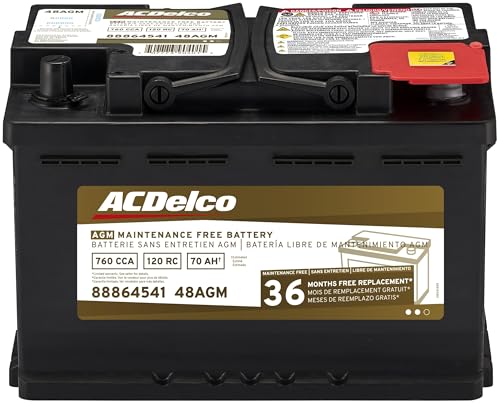
ACDelco Gold 48AGM (88864541) AGM Group 48
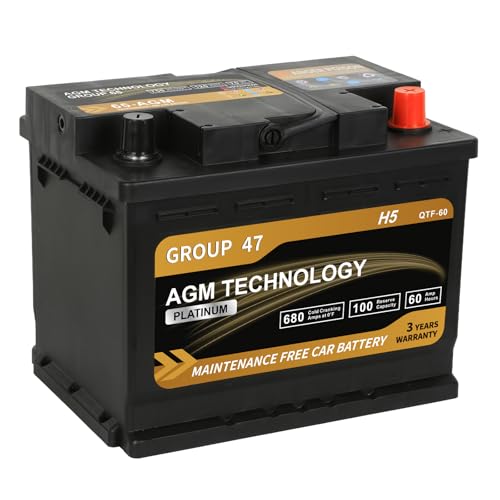
Platinum AGM Car Battery Group Size 47 H5 12V 60Ah
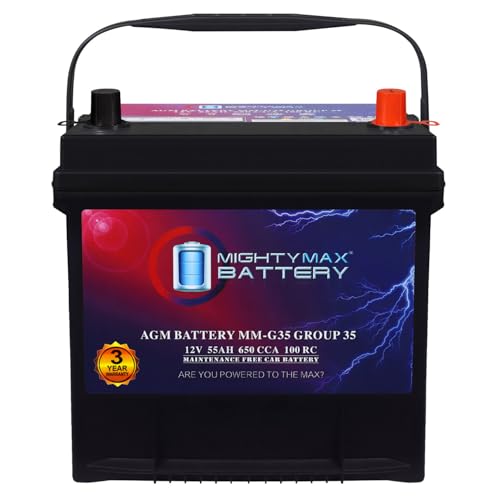
Mighty Max Battery MM-G35 Start and Stop Car Group 35

Mighty Max Battery MM-H6 Start and Stop Car Group 48

Weize Platinum AGM Battery BCI Group 49-12v 95ah H8 Size 49 Automotive Battery

Weize Platinum AGM Battery BCI Group 24F Automotive Battery
Weize Platinum AGM Battery BCI Group 47-12v 60ah H5 Size 47 Automotive Battery
More Details On Our Top Picks
Auxiliary batteries like this one matter most in vehicles that lean on electronics even after the engine is off. The AUX14-200 keeps the footprint compact, which helps in tight battery compartments where every millimeter counts. For a daily commuter with accessory-heavy systems, that smaller format is often easier to live with than a full-size main battery.
The trade-off is obvious, it is built for auxiliary duty rather than the broad job of a primary starter battery. That makes it a sharper fit for the right application and a poor match for anyone shopping by voltage alone. You may find the ACDelco Gold name reassuring too, since it points to an OE-style replacement mindset instead of a generic, one-size answer.
What We Like
- AGM construction suits sealed, maintenance-light placements.
- 200 CCA gives a clear read on starting support for its class.
- Small size helps in cramped auxiliary battery bays.
- ACDelco’s OE-style positioning fits GM drivers and many other vehicles.
Things To Consider
- It is an auxiliary unit, so it is not the right pick for every main-battery slot.
- Fit still depends on your vehicle’s tray and terminal layout.
- Replacement in a tight compartment may be a little awkward without the right tools.
Feature Snapshot
Who It Suits Best
Drivers who need an auxiliary AGM battery for a vehicle with specific fitment requirements will get the most from this one.
Where A Sibling Pick Shines
ACDelco Gold 94RAGM (88864542) suits shoppers who need a full-size main battery for a Group 94R slot instead of an auxiliary unit.
Start-stop vehicles ask more from a battery than a basic commuter sedan, and that is where the 94RAGM starts to make sense. AGM, short for absorbed glass mat, means the electrolyte sits in a fiberglass separator instead of sloshing around freely, which is why this format is usually chosen for spill-conscious, maintenance-light use. Compared with the AUX14-200, this one is built for a full-size automotive slot, not a secondary role.
For long highway weeks or heavy stop-and-go traffic, the charge-friendly nature of AGM construction is a useful fit. The honest read is that the battery’s value depends on matching the Group 94R case size and terminal position to your vehicle, because the format matters as much as the name. That said, drivers replacing an OEM AGM battery often appreciate how cleanly this category lines up with modern electrical systems.
Highlights
- Group 94R sizing suits vehicles built for that footprint.
- AGM design fits start-stop use and frequent cycling.
- Maintenance-light construction is handy in busy daily driving.
- ACDelco’s OE-style positioning can simplify replacement decisions.
Worth Noting
- Group fit must match your vehicle exactly, so measuring first matters.
- AGM replacements usually cost more than simpler flooded options.
- It is best suited to vehicles already designed for AGM use.
Core Details
Made For
Drivers with a vehicle that calls for a Group 94R AGM battery will find this a straightforward replacement path.
Another Choice May Suit
Mighty Max Battery MM-H6 Start and Stop Car Group 48 suits drivers who need a different Group 48 format with higher stated output.
Group 48 batteries sit in a very common middle ground, which is why this ACDelco option can work well for a lot of everyday replacements. The AGM format again means you are looking at a sealed design that suits modern vehicles with heavier electrical demands. Compared with the 94RAGM, this one speaks more directly to standard Group 48 fitment, so the decision is often about the tray shape rather than the brand alone.
For mixed city and highway driving, a Group 48 AGM like this usually makes the most sense when your vehicle already calls for that layout. The trade-off is simple, you are paying for the right form factor and AGM behavior rather than extra bells and whistles. In a busy driveway, that kind of clarity matters more than a long feature list.
Upsides
- Group 48 fit matches a wide set of vehicles that use this size.
- AGM construction suits start-stop and electronic-heavy driving.
- Maintenance-light design is convenient for everyday ownership.
- ACDelco’s replacement focus gives it a familiar, OE-style feel.
Small Caveats
- Fitment still depends on the exact tray and terminal layout.
- It makes the most sense in vehicles already expecting an AGM battery.
- The value story is strongest when you need a direct Group 48 swap.
Details At A Glance
Best Suited To
Commuters replacing a Group 48 AGM battery in a vehicle built for that size will get the cleanest fit here.
Look Elsewhere When
Weize Platinum AGM Battery BCI Group 24F Automotive Battery makes more sense for a smaller 24F tray with different dimensions.
Some vehicles need a battery that fits a tighter slot without giving up useful reserve time, and this Group 47 H5 model is built around that balance. Reserve capacity, or RC, means how long the battery can keep a steady load before it runs down, which matters for vehicles with accessories running at idle or during brief stops. Compared with the ACDelco 48AGM, this one brings a different case size and a clearly stated 680 CCA figure, so it serves a separate fitment lane.
In stop-and-go commuting, that combination of 60Ah and 100 RC should feel like a sensible middle ground for a compatible car. The catch is the dimensions and terminal orientation, since the left-negative, right-positive layout needs to line up exactly. For a shopper replacing an aging AGM unit in a Group 47 H5 car, that detail is the part that matters most.
Bright Spots
- Group 47 H5 fit keeps it in a useful compact class.
- 680 CCA supports dependable cold-weather starting on paper.
- 100 RC adds extra breathing room for accessory use.
- AGM construction suits start-stop vehicles and sealed installations.
Points To Note
- Dimensions and terminal direction need to match your current battery.
- It is built for vehicles already expecting Group 47 H5 sizing.
- AGM replacements usually reward careful fit checking before installation.
Quick Facts
Right Fit For
Drivers with a Group 47 H5 slot who want a compact AGM battery for a start-stop vehicle will get the most from this pick.
Swap It Out When
ACDelco Gold AUX14-200 (88866185) is the better fit for auxiliary battery roles where compact support matters more than full-size main-battery output.
Group 35 batteries usually show up in everyday cars that need a familiar balance of size and output, and this Mighty Max follows that logic closely. The 55Ah rating tells you it has a moderate storage capacity, while 650 CCA points to enough starting support for a lot of standard driving climates. Compared with the Daakmax Group 47 H5, this one is the smaller, more modest option.
Its AGM build helps in vehicles that spend time in stop-and-go traffic or make repeated short trips. The sealed format also tends to be easier to live with in busy ownership, since there is less routine fuss than with older battery styles. The honest read is that it suits drivers who want a straightforward replacement for a Group 35 slot, not a battery that tries to overreach.
Reasons To Buy
- Group 35 sizing works for many common compact and midsize vehicles.
- 55Ah and 650 CCA give a sensible everyday balance.
- AGM construction suits start-stop use and sealed placement.
- 100 RC adds useful backup time for accessory load.
Softer Spots
- It is not the right move for larger trucks or power-hungry setups.
- Fitment still depends on your tray, terminal position, and hold-down style.
- Drivers with larger electrical demands may want a higher-capacity option.
Core Details
Whose Shelf It Belongs On
Drivers replacing a Group 35 AGM battery in a commuter car or midsize sedan will find this a sensible fit.
A Better Fit Elsewhere
Mighty Max Battery MM-H6 Start and Stop Car Group 48 is the better match for larger vehicles that need more reserve and higher stated output.
This is the stronger sibling to the MM-G35, and the difference shows up in the stated 70Ah capacity, 120 RC, and 760 CCA. Those numbers point to more reserve time and more starting support, which is useful in SUVs, crossovers, or vehicles with heavier accessory loads. In a cold garage on a winter morning, that extra headroom is often the comfort you are paying for.
AGM construction keeps the battery sealed and spill-resistant in normal use, which matters in vehicles that live a hard daily life. The trade-off is size and fit, since a Group 48 battery needs the right tray and hardware, and this one will feel oversized for smaller cars. For drivers stepping up from a basic replacement, the added output is easy to understand.
Best Bits
- 760 CCA gives it strong stated starting output.
- 120 RC suggests more backup time for electrical loads.
- 70Ah capacity suits more demanding daily driving.
- Group 48 size fits vehicles built for that format.
Areas To Watch
- It is a larger battery, so tray fit needs care.
- Smaller cars usually do better with a smaller case size.
- Installation can be awkward in tight engine bays.
Feature Rundown
The Right Fit
Drivers with larger daily-driven vehicles that call for a Group 48 AGM battery will benefit most from this model.
Where A Sibling Pick Shines
Mighty Max Battery MM-G35 Start and Stop Car Group 35 is a better fit for smaller vehicles that need less case size and a lighter-output profile.
Among the group-size batteries here, this one stands out for sheer stated capacity and reserve time. Ninety-five amp-hours, or Ah, means a larger energy store, while 160 RC suggests a long support window for accessories and accessory-heavy driving. Compared with the ACDelco Group 94R, it leans larger and more demanding, which suits bigger vehicles and tougher electrical loads.
The 900 CCA figure also gives it a serious cold-start profile on paper. The honest read is that it is not a casual swap, though, because the 13.9-inch length and terminal orientation have to match your vehicle exactly. For long commutes, extra accessories, or vehicles that sit with electronics running, the extra capacity makes a real difference in day-to-day use.
Standout Traits
- 95Ah capacity gives it a large energy reserve.
- 160 RC is useful for longer accessory support.
- 900 CCA suits strong cold-start expectations.
- Its size fits vehicles that need a larger Group 49 case.
Minor Gripes
- Its larger footprint limits it to specific trays.
- Installation checks matter more because the battery is physically bigger.
- It can be more than you need in a modest commuter car.
Technical Sheet
Built With In Mind
Drivers with large SUVs, trucks, or equipment-heavy vehicles that call for Group 49 H8 size will find this the most fitting match.
Reach For A Different Pick When
ACDelco Gold 48AGM (88864541) makes more sense for a standard Group 48 vehicle that does not need this much capacity.
Smaller battery trays can make replacement day annoying fast, and the 24F format keeps this pick focused on that narrower fit. With 710 CCA and 120 RC, it sits above basic compact batteries in stated output, which helps in vehicles that still ask for a proper AGM replacement. Compared with the larger Weize Group 49 unit, this one is easier to place in tighter engine bays.
For sedans and crossovers that use Group 24F, the dimensions are the part to watch first, because the case shape does the real work here. The trade-off is that you are buying a fit-specific battery, not a universal answer for every small car. That said, owners of compatible vehicles usually care more about a clean tray fit than anything else.
Positives
- Group 24F sizing works for many compact replacement needs.
- 710 CCA provides respectable stated starting support.
- 120 RC adds useful backup time for accessories.
- AGM construction suits modern vehicles that want a sealed battery.
Room For Improvement
- Fitment depends on the exact 24F tray and terminal position.
- It is less suitable for vehicles that need a larger case.
- Measuring before purchase matters, especially in tight bays.
At A Glance
Perfect Match For
Drivers with a vehicle that specifically calls for a Group 24F AGM battery will get the clearest fit from this model.
Another Choice May Suit
Weize Platinum AGM Battery BCI Group 47-12v 60ah H5 Size 47 suits shoppers who need a smaller Group 47 layout instead.
This Weize Group 47 H5 option lands in the middle of the pack in a useful way, with 60Ah, 100 RC, and 680 CCA giving it a balanced profile for many mainstream vehicles. Compared with the 24F model above, it is a different fitment path, and that matters more than the brand name once you are at the battery tray. In most commuter cars that call for Group 47, that balance is exactly what you want.
The terminal layout and dimensions deserve a careful look, because a clean fit is the whole job here. Owners commonly care most about easy replacement and dependable daily starting, and this battery speaks to both in a plain, practical way. The honest read is that it is a straightforward choice rather than a flashy one, which is often the better outcome in car battery shopping.
Best Bits
- Group 47 H5 size fits a lot of mainstream cars.
- 60Ah capacity keeps the profile sensible for daily driving.
- 100 RC adds a useful cushion for brief accessory loads.
- AGM construction suits modern vehicles that prefer sealed batteries.
Worth Noting
- It is only useful where Group 47 H5 is the correct fit.
- Checking terminal placement before purchase avoids avoidable hassle.
- Drivers needing bigger reserve time may want a larger size.
Feature Card
Whose Shelf It Belongs On
Drivers replacing a Group 47 H5 AGM battery in a daily commuter or family car will find this the most natural match.
Where Another Pick Fits Better
Daakmax Platinum AGM Car Battery Group Size 47 H5 suits shoppers who want a similar fit class with a different brand and slightly different positioning.
How To Choose The Right Battery For Vehicle
Match The Group Size First
Group size is the physical shape code, and it matters before anything else. A Group 47, Group 48, Group 49, or Group 24F battery can all be wrong for the same car even if the electrical numbers look tempting.
That means you should check length, width, height, and terminal layout against your current battery or owner documentation. A clean tray fit prevents awkward installs and avoids stressing the hold-down hardware.
Read CCA And RC As Two Different Jobs
Cold Cranking Amps, or CCA, describes starting power, especially in chilly weather. Reserve Capacity, or RC, tells you how long the battery can keep supporting loads when the engine is off.
Daily commuters who make short trips often benefit from both, but the balance differs by vehicle. A larger SUV with more electronics usually needs a stronger RC story than a small sedan with light accessory use.
AGM Makes Sense For Modern Driving
AGM, short for absorbed glass mat, uses a fiberglass separator to hold the electrolyte in place. That sealed design is common in start-stop vehicles, accessory-heavy cars, and places where maintenance-light ownership matters.
The trade-off is cost and fit discipline, since AGM batteries need the right size and charging setup. For vehicles that came with AGM from the factory, staying in that lane usually keeps replacement simple.
Think About Your Driving Pattern
Frequent short hops, long idle periods, and cold starts all put different stress on a battery. A shopper with a long freeway commute can often live with a modest capacity, while city driving with many restarts benefits from more reserve and stronger cycling tolerance.
That is why the same battery can feel perfect in one car and underwhelming in another. Match the battery to the way your vehicle actually lives, not just the badge on the hood.
A Quick Reality Check
Common Shopping Slip Ups
Most mistakes start with fitment shortcuts. A battery can have the right voltage and still be wrong because the case size or terminal orientation does not match your vehicle.
Another common miss is confusing starting power with reserve time. CCA helps at startup, while RC matters once the engine is off, and both deserve a look.
What The Higher Tier Buys
Higher-tier AGM batteries usually cost more because they use heavier internal construction, better cycling behavior, and more exact fitment in larger formats. That extra spend often shows up as better support for start-stop systems, more reserve capacity, and a more comfortable margin for accessory-heavy driving.
The upgrade makes sense for vehicles with lots of electronics, repeated short trips, or factory AGM requirements. For a simple commuter with modest electrical demand, a midrange match is often enough.
Closing Thoughts
The right Battery For Vehicle is the one that fits your tray, matches your terminals, and suits the way you drive every week. AGM models here cover a wide spread, from compact auxiliary support to larger high-output replacements, so your job is to narrow the choice by group size and electrical load. Once those two parts line up, the rest gets much easier. Pick the battery that matches your vehicle first, and the decision tends to feel a lot less complicated.
