

You want the right replacement without turning a simple battery job into a guessing game. For a 2020 Subaru Forester, the fit, reserve strength, and AGM design matter just as much as the brand name, especially for daily commuting, cold starts, and short trips that never fully recharge a weak battery. This roundup keeps the focus on parts that make sense for Subaru ownership, from main starting batteries to key fob cells. You’ll also see where a smaller auxiliary or remote battery makes more sense than a full-size replacement.
Quick Look At The Shortlist

ACDelco Silver LN1SAGM (88866325) AGM BCI Group 140R Battery
ACDelco Gold AUX14-200 (88866185) Auxiliary AGM 200 CCA Battery

ACDelco Gold 94RAGM (88864542) AGM BCI Group 94R Battery
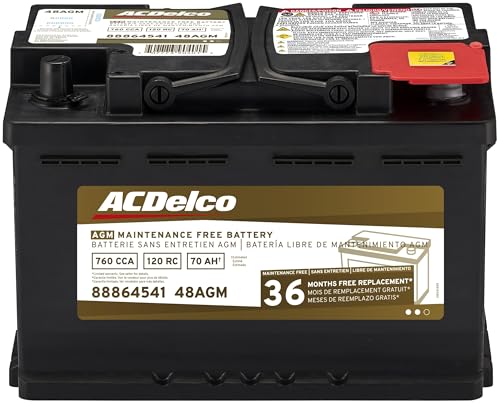
ACDelco Gold 48AGM (88864541) AGM BCI Group 48 Battery

Key Fob Replacement Batteries for Subaru, Pack of 2

ACDelco Gold LN1AGM 36 Month Warranty AGM BCI Group LN1 Battery

Key Fob Battery Replacement for Subaru (2017-2024) Smart Remote

Mighty Max Battery MM-G35 Group Size 35 12V, 55Ah, 100RC, AGM, 650 CCA
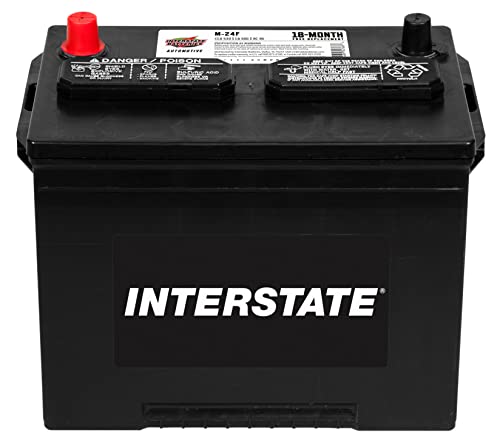
Interstate Batteries Group 24F Car Battery Replacement (M-24F) 12V, 530 CCA
More Details On Our Top Picks
For a 2020 Forester, this ACDelco Silver battery lands in the practical middle ground. AGM means absorbed glass mat, a sealed design that keeps the electrolyte in place instead of sloshing around, which helps in stop-and-go driving and rough weather commutes.
The Group 140R fit is the real point here, because size compatibility matters more than brand loyalty in a battery bay. Compared with the heavier-duty ACDelco Gold options below, this one reads like the calmer everyday choice for someone who wants solid function without overbuying.
Strong Points
- AGM construction suits short trips and repeated starts better than a basic flooded battery.
- Group 140R sizing gives you a clear fit target for the Forester platform.
- The silver line positioning keeps it approachable for routine replacement work.
Points To Note
- You still need to confirm terminal placement and physical dimensions before ordering.
- It does not add the extra headroom that some upgraded AGM choices bring.
Feature Card
Who It Suits Best
Drivers who want a clean-fit replacement for regular commuting and mixed city or highway use will get the most value here.
A Better Fit Elsewhere
ACDelco Gold 94RAGM makes more sense for a more demanding electrical setup, especially in vehicles that lean on higher cycling from the battery.
This one is not the main starter battery for a Forester, and that’s the first thing to keep straight. It’s an auxiliary AGM battery, which means it serves smaller support roles where compact size matters and space is tight.
For a driver dealing with a secondary battery slot or another accessory-focused setup, the 200 CCA rating gives you a clear, modest benchmark. Compared with the Group 140R ACDelco Silver above, it’s much more about fit and function in a narrow space than brute starting strength.
What We Like
- Auxiliary form factor fits narrower battery compartments.
- AGM design helps keep the battery sealed and tidy in regular use.
- 36-month warranty is longer than the entry-level pick in this list.
- 200 CCA gives you a simple output figure for support-battery planning.
Small Caveats
- It is not the right choice for a full-size main starting battery.
- You’ll want to confirm it belongs in your exact Subaru layout before ordering.
- Auxiliary batteries often look simple, but the fitment details still matter a lot.
Core Details
Who Will Love This
Drivers who need a compact auxiliary battery rather than a main engine starter will find the shape and rating easier to work with.
Where A Sibling Pick Shines
ACDelco Silver LN1SAGM is the better match for a Forester owner replacing the primary battery in a standard engine bay.
The 94RAGM sits in a more performance-oriented part of the AGM family. Its high cycling capability and charge receptiveness make it a smart fit for vehicles that ask more from the battery, especially stop-start driving where the battery gets called on again and again.
That’s a step up from the simpler Silver model above, and the maintenance-free sealed layout adds a cleaner ownership experience. The honest trade-off is that you need the right tray space and terminal layout, because a strong battery still has to fit the car first.
Highlights
- High cycling design suits repeated engine restarts.
- AGM construction holds electrolyte in the mat, which supports sealed operation.
- Charge-friendly behavior helps in driving patterns with many short trips.
- 36-month warranty gives you a respectable coverage window.
- Low-maintenance setup keeps day-to-day care simple.
Worth Noting
- Group 94R sizing means fitment checks are mandatory.
- It may be more battery than a very basic commute-only setup needs.
- Installation can be less forgiving in tighter engine bays.
Quick Facts
Best Suited To
Drivers who want a stronger AGM replacement for a vehicle with more demanding electrical habits will get the most from this one.
Swap It Out When
ACDelco Gold 48AGM makes more sense for a different group-size need, especially where the battery tray calls for a 48 fit instead of 94R.
Group 48 batteries sit in a very common replacement lane, so this ACDelco Gold option makes sense for a lot of mainstream vehicles. The AGM build matters because it gives you the sealed, maintenance-friendly format many owners want in everyday service.
Compared with the 94RAGM, this one is less about start-stop emphasis and more about broad fit compatibility across vehicles that call for Group 48. For a Forester owner, that means you should treat it as a fitment-specific option rather than a casual swap.
Positives
- Group 48 sizing aligns with a wide range of vehicles.
- AGM format supports a cleaner installation experience.
- 36-month warranty gives you a solid middle-ground coverage term.
Room For Improvement
- Fit checks still matter, since group size has to match the tray.
- It may not be the most purpose-built choice for a 2020 Forester.
Details At A Glance
The Right Fit
Shoppers matching a vehicle that specifically calls for Group 48 will appreciate the straightforward battery format here.
Look Elsewhere When
ACDelco Silver LN1SAGM is the more direct match for a 2020 Forester owner focused on the smaller 140R fit.
This pack is for the small but annoying moment when your key fob starts acting tired. It covers Subaru smart-fob use, and the fitment guide matters here because remote shells vary more than people expect.
For a Forester owner, the appeal is simple: you can refresh the remote without a service visit, which is handy before a road trip or during a busy week. Compared with the main battery options above, this is maintenance for convenience, not engine-start power.
Reasons To Buy
- Two-pack format gives you a spare on hand.
- Works with Subaru smart fobs, which fits a lot of modern models.
- Self-install use keeps the job small and quick.
Areas To Watch
- Fitment confirmation is essential because not every Subaru key uses the same battery style.
- It only addresses the remote battery, not the vehicle battery itself.
Technical Sheet
Made For
Owners who want a simple key fob refresh and already know their remote uses this style of cell will find it very convenient.
Reach For A Different Pick When
Interstate Batteries Group 24F is the better option for anyone replacing the actual starting battery in a car or truck.
LN1 batteries are a size-first conversation, and that makes this ACDelco Gold a useful pick for compact battery bays. The sealed AGM layout, with its absorbed glass mat design, suits cars that benefit from cleaner installation and steadier vibration handling.
Compared with the Group 48 and 94R options in this list, this one serves a more compact physical footprint, so you should think about tray space before anything else. It’s a sensible fit for drivers who care more about exact dimensions than maximum battery bulk.
Upsides
- Compact LN1 size helps when space is tight.
- AGM construction supports maintenance-light ownership.
- 36-month warranty gives a comfortable coverage span.
Softer Spots
- It only makes sense where LN1 sizing is correct.
- Some Forester setups will need a different group size.
Core Details
Whose Shelf It Belongs On
Drivers with a compact battery compartment and a confirmed LN1 fit will find this easier to work with than larger group-size choices.
Another Choice May Suit
ACDelco Silver LN1SAGM is the more obvious fit for shoppers who want a lower-friction replacement in a Group 140R layout.
Useful little kits like this save time, especially after a fob battery starts acting weak at the worst possible moment. The package includes installation videos and tools, which makes the swap friendlier for someone who doesn’t want to dig for tiny pry tools at home.
Unlike the two-pack above, this one is framed around the installation process as much as the battery itself. That matters for a busy driver, because a simple remote fix feels a lot less annoying when the needed pieces arrive together.
Bright Spots
- Installation tools lower the hassle of opening the remote.
- Video guidance helps make the swap less guesswork-heavy.
- Fits a range of Subaru smart remotes.
Minor Gripes
- Compatibility still needs a careful check against your remote code.
- The listing is focused on fob service, not the car’s main battery.
Feature Rundown
Who Should Grab It
Drivers who want extra hand-holding during a remote battery swap will appreciate the included tools and video support.
Skip It When
Key Fob Replacement Batteries for Subaru, Pack of 2 is the simpler choice for someone who already knows the battery format and only wants spare cells.
This Mighty Max option brings the kind of numbers that matter to drivers who want stronger starting behavior, especially in cold or wet seasons. The 55Ah rating describes capacity, which is the amount of energy the battery can hold, and the 100RC reserve capacity shows how long it can support a load before running down.
Compared with the ACDelco Silver pick, this one feels more stout on paper and more tailored to demanding use. The trade-off is simple: you should only choose it when Group 35 is the correct physical match for the vehicle, because output alone never fixes fitment.
Best Bits
- 650 CCA gives you strong cold-start headroom.
- 55Ah capacity supports longer use between charges.
- 100RC reserve capacity helps during accessory-heavy driving.
- AGM sealing keeps the battery tidy and less maintenance-heavy.
Areas To Watch
- Group 35 fit has to match your vehicle tray exactly.
- It may be more battery than a very simple commute profile needs.
Quick Facts
Built With In Mind
Drivers who want a stronger AGM replacement for harsher weather and longer accessory use will feel well served here.
Where A Sibling Pick Shines
ACDelco Gold LN1AGM is a better fit for a smaller battery bay where compact dimensions matter more than higher output numbers.
Interstate’s Group 24F battery is aimed at drivers who want straightforward, standard output without chasing a fancier setup. The 530 CCA rating is the useful number here, because it tells you the starting strength on a cold morning or after a few short errands.
In a daily-driver scenario, that combination is easy to understand and easy to live with. Compared with the Mighty Max G35, it sounds a bit less aggressive on paper, but it may fit a different tray size, which is the real deciding factor.
Standout Traits
- Group 24F size covers a wide range of cars and trucks.
- 530 CCA keeps the starting figure clear and usable.
- 18-month warranty gives you a defined coverage period.
- Interstate’s value-focused line keeps the message simple.
Honest Caveats
- It is not the more powerful AGM-heavy option in this roundup.
- Fitment still has to line up with your exact battery tray.
Feature Snapshot
Made For
Shoppers who want a dependable everyday replacement with plain sizing and familiar output numbers will feel at home with this one.
Where Shoppers Go Wrong
ACDelco Gold 94RAGM is the better route for drivers who need a more advanced AGM build and a different group-size fit.
How To Choose The Right Battery For 2020 Subaru Forester
Start With Group Size, Then Check the Tray
The group size is the physical shape standard for the battery, and it matters before any talk of amps or warranty. For a 2020 Forester, you want the battery case to fit the tray, the hold-down, and the terminal layout without forcing anything. A mismatched group size can turn a quick swap into a return trip, so the fit guide deserves your attention first.
AGM batteries are often a smart direction for Subaru owners because they’re sealed and better suited to repeated starts, short trips, and accessory load. That does not mean every AGM battery works in every Forester, though, because LN1, 140R, 24F, 35, 48, and 94R all describe different footprints. Size compatibility is the gatekeeper.
Match Battery Strength To How You Drive
CCA, or cold cranking amps, shows how much starting power the battery can deliver in cold conditions. Drivers in colder regions, or anyone who sees a lot of winter mornings, benefit from a higher CCA figure, while mild-climate commuters can sometimes stay with a more moderate rating. Reserve capacity also matters, because it reflects how long the battery can support electrical loads when the engine isn’t running.
That’s where the Mighty Max G35 stands out on paper with 650 CCA and 100RC, while the Interstate 24F takes a more straightforward route with 530 CCA. The honest read is that stronger numbers help, but only after the physical fit is confirmed.
Think About Use Case, Not Just Brand
A daily school-run Forester needs different battery behavior than a vehicle that sits for days, handles short errands, or powers accessories more heavily. AGM construction can be the safer bet for those stop-and-go patterns because it tends to hold up better under frequent cycling than a basic flooded design. Key fob batteries are a separate job entirely, yet they’re still worth replacing before they leave you standing outside a locked car.
For many drivers, a sensible middle-ground battery is enough. For others, especially in colder climates or with tighter starting demands, spending a little more for stronger output and longer warranty coverage can feel justified.
Keep Ownership Practical
Look for a battery you can install without modifying the tray, then check terminal placement, height, and hold-down style. A battery that fits loosely or needs awkward handling creates avoidable hassle later. Clean terminals and solid mounting usually matter more over time than flashy naming on the box.
Warranty length is worth reading as a support signal, not a promise of future trouble. Longer coverage often tracks with a more feature-rich build, but the right battery is still the one that matches your Forester’s physical requirements and your driving pattern.
Things Worth Knowing First
Common Shopping Slip Ups
One frequent mistake is treating every Subaru battery as interchangeable. The 2020 Forester still wants the right group size, and an AGM label alone does not solve a bad fit. Fitment guides and tray measurements save time here.
Another miss is confusing a main starting battery with a key fob cell or an auxiliary battery. Those are different jobs, and the wrong one leads to frustration fast.
The Upgrade Payoff
Higher-tier batteries usually cost more because of AGM construction, stronger reserve capacity, and better cycling behavior. Those features matter most for short-trip driving, colder climates, and vehicles that ask more from the battery between starts.
That upgrade becomes worth it when your Forester sees heavy daily use or the old battery has been fading early. For a light-duty commuter in warm weather, a simpler AGM replacement can be enough.
Final Thoughts
The best battery for your 2020 Subaru Forester is the one that fits cleanly, starts reliably, and suits the way you actually drive. For many owners, that points to an AGM replacement in the correct group size rather than the biggest number on the page. The ACDelco Gold and Mighty Max options stand out for different reasons, while the fob batteries cover a small but useful part of ownership. Choose by fit first, then by starting strength and warranty length.
