

Battery trouble rarely gives much warning, and that’s why a good tester earns its keep before a car, truck, motorcycle, or boat sits dead in the driveway. You want clear voltage, cranking, and charging clues without guessing from a dashboard light or waiting for a jump start. The seven picks below cover basic voltage checks, broader system analysis, and more advanced reporting for home garages, mobile work, and fleet-style upkeep.
The Shortlist At A Glance

OBDResource BR502 Battery Voltage Tester 6V 12V 24V
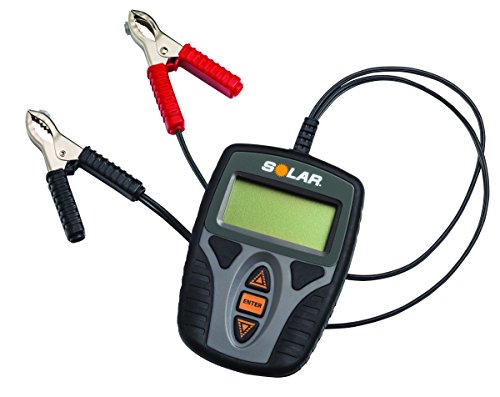
Clore Automotive SOLAR Digital 12V Battery and System Tester

TOPDON BT50 Car Battery Tester 12V 100-2000 CCA Load Tester

VDIAGTOOL BT300 Car Battery Tester 12V 6V 5-3000 CCA

ANENG 12V Car Battery Tester Automotive Voltmeter and Alternator Analyzer

Acclope BT90 PRO Battery Tester 2-360Ah 30-3800 CCA

VDIAGTOOL BT500 Car Battery Tester 6V 12V 24V 5-3000 CCA
More Details On Our Top Picks
BR502 makes sense for a garage that sees more than one vehicle type, because it spans 6V, 12V, and 24V systems. That wider range helps you cover a small motorcycle, a family car, and heavier equipment without juggling separate tools.
The practical upside is breadth, not flash. You also get support for batteries in the 100 to 2000 CCA range, and CCA, or cold cranking amps, is the figure that helps size starting ability in real use. The trade-off is that it’s geared toward measurement first, so you should expect a straightforward analyzer rather than a feature-heavy interface.
Strong Points
- Works across three common voltage levels, which cuts down on tool swapping.
- Handles a wide CCA span, so it fits both smaller and larger starter batteries.
- Useful for mixed garages where cars, boats, and motorcycles share space.
- Helps you spot weak batteries before a cold morning turns into a no-start routine.
Things To Consider
- The interface is more practical than polished, so you may want a little patience the first time through.
- It leans toward battery analysis rather than broader system reporting.
- Storage stays easy, but the tool still belongs in a dry spot with your other diagnostic gear.
Feature Snapshot
Who It Suits Best
You get the most from BR502 in a mixed-use garage where one tester needs to cover several battery sizes and vehicle types.
A Better Fit Elsewhere
VDIAGTOOL BT500 is the stronger fit for you if 6V, 12V, and 24V testing need to sit in one all-around tool with a broader vehicle list.
This Clore Automotive SOLAR unit keeps the focus narrow in a useful way, since it’s built around 12V battery and system checks. That narrower lane often suits households with standard cars, where you want a clear answer without extra setup.
The LCD display is a practical touch because it stays readable in dim garages and in daylight near the driveway. You also get compatibility with flooded, AGM, spiral, and gel-cell batteries, so the tool still fits a fairly broad slice of common 12V setups.
What We Like
- 12V-only focus keeps the learning curve lighter than multi-voltage units.
- LCD output is easier to read than tiny indicator lights in poor lighting.
- Covers several familiar lead-acid battery styles used in everyday vehicles.
- Works well for routine checks before a road trip or a cold snap.
Minor Gripes
- It is less flexible than multi-voltage testers like BR502 or BT500.
- Best suited to standard 12V use, so specialty setups need a different tool.
- For long-term storage, the display and leads deserve the same careful handling as any shop tool.
Core Details
Made For
You’ll like this most if your vehicle routine stays centered on 12V cars and you want a plainspoken tester that does the basics well.
Another Choice May Suit
TOPDON BT50 is a stronger match for you if you want more insight into cranking and charging behavior rather than a tighter 12V-only focus.
BT50 sits in the sweet spot for DIY diagnostics, because it looks beyond basic voltage and into the health of the starting and charging systems. That matters on a car that cranks slowly, charges inconsistently, or behaves fine one week and oddly the next.
Historical test review is the useful extra here, since tracking past results helps you notice battery decline instead of reacting after a roadside surprise. The trade-off is that this added depth makes it a little more involved than the simpler Clore Automotive SOLAR pick, so you’ll appreciate it most once you want more than a quick yes-or-no reading.
Highlights
- Checks cranking and charging behavior, not just battery voltage.
- Stores prior results, which makes trend spotting easier over time.
- Covers a broad 12V CCA band from compact to larger starter batteries.
- Fits car, truck, SUV, and motorcycle use without feeling oversized.
- Useful for owners who want more context before replacing parts.
Areas To Watch
- The extra data is helpful, but it can feel like more screen time than a basic tester.
- It stays within 12V use, so multi-voltage households may need a second tool later.
- Regular cable care matters, especially for frequent garage or trunk storage.
Details At A Glance
Best Suited To
You’ll get the most value from BT50 if you like data that helps you make a maintenance call before a battery gets troublesome.
Look Elsewhere When
Clore Automotive SOLAR Digital 12V Battery and System Tester is the cleaner choice for you if you want a simpler 12V routine tool with less screen depth.
BT300 broadens the field with 6V and 12V support, plus a CCA span that reaches from 5 to 3000. That range makes it a strong fit for a garage with motorcycles, cars, and smaller utility equipment that don’t all use the same battery size.
The real value is how much ground it covers without asking you to switch tools. Compared with BT50, you get older and smaller battery handling, while the trade-off is that a broader tool like this can feel a little more involved than the simplest voltage-only tester.
Upsides
- Two voltage levels help you handle more than one vehicle type.
- Huge CCA span gives you room for smaller and larger starter batteries.
- Checks starting and charging systems, so the reading is more than a snapshot.
- Useful for home garages that include bikes, ATVs, and light vehicles.
Worth Noting
- Broader coverage can mean a slightly busier setup than a basic 12V meter.
- It still centers on starter-battery work, not every kind of specialty battery.
- Keeping the leads coiled neatly helps avoid wear in frequent-use garages.
Quick Facts
Whose Shelf It Belongs On
BT300 suits you well if your garage includes smaller vehicles and you want one tester that stretches farther than a basic car-only model.
Swap It Out When
OBDResource BR502 is the better fit for you if 24V coverage matters more than the wider 6V-to-12V focus here.
ANENG keeps things simple, and that’s a strength in a small toolbox or glovebox kit. It focuses on 12V batteries plus alternator checks, so you get a fast read on the two most common questions: is the battery tired, and is the charging system behaving?
The display mix of LCD output, LED indication, and a voltage indicator makes this feel easy to skim at a glance. Compared with the more layered TOPDON BT50, it asks less from you, though you give up some of the deeper diagnostic context that more serious troubleshooting can use.
Positives
- Compact setup works well in a glovebox or small workshop drawer.
- Three display cues make quick checks feel straightforward.
- Alternator analysis adds useful context beyond battery voltage alone.
- Fits a wide spread of everyday 12V vehicles from cars to RVs.
Small Caveats
- It is still a 12V-focused tool, so multi-voltage garages need something broader.
- The lighter design is easy to store, but it also calls for careful cable handling.
- Great for fast checks, less deep than the feature-heavy testers higher up the list.
At A Glance
The Right Fit
You should look at ANENG if you want a compact 12V tester that keeps routine checks easy to read and quick to interpret.
Where A Sibling Pick Shines
TOPDON BT50 suits you better if you want historical results and more detail on the charging path, not just a basic battery and alternator readout.
BT90 PRO is the most report-friendly pick in this group, thanks to cloud printing and its QR-based output. That matters in a shop, fleet bay, or service setting where you want a result you can save, share, or show without retaking photos of a screen.
The real-time ambient temperature readout is also more useful than it sounds, because battery readings often make more sense once temperature sits in the report alongside voltage, resistance, and charge state. The trade-off is that this is more tool than a casual driveway check needs, so it suits deeper workflows better than simple home use.
Best Bits
- Cloud report sharing makes documentation easier in service work.
- Supports 6V, 12V, and 24V systems for wide coverage.
- Includes SOH, SOC, voltage, resistance, and cranking or charging results.
- Ambient temperature context helps reports feel more complete.
- Battery support reaches into AGM, EFB, gel, and lithium categories.
Points To Note
- The reporting tools add convenience, but they also add complexity for casual use.
- Best value shows up in service bays, not in occasional weekend checks.
- A feature-rich unit like this deserves tidy storage and careful lead management.
Feature Rundown
Built With In Mind
You should look at BT90 PRO when documentation matters as much as the reading itself, especially in a shop or fleet-style workflow.
Another Choice May Suit
VDIAGTOOL BT500 is a better fit for you if you want broad voltage coverage without stepping into the more report-heavy feel here.
BT500 is the broadest all-around choice in the group, and that breadth is the main reason it sits at the end of the roundup rather than the edge. With 6V, 12V, and 24V coverage, it fits households or workspaces that handle a mix of motorcycles, cars, and heavier vehicles.
You also get testing for voltage, resistance, SOH, and SOC, which gives you a fuller picture than a simple battery check. The trade-off is the usual one for a wide-coverage tool, because it asks you to care about more data, but for long-haul commuters or job-site vehicles, that extra detail often pays off in better planning.
Bright Spots
- Three voltage levels make it easy to cover mixed vehicle ownership.
- 5 to 3000 CCA support reaches from small to larger starter batteries.
- SOH and SOC readings help separate weak charge from general aging.
- Useful for cars, trucks, motorcycles, SUVs, ATVs, and boats.
- Feels like a sensible long-term shop tool for varied garages.
Room For Improvement
- The broad feature set can feel like more tool than you need for a single sedan.
- More information means more attention during setup and result review.
- Keeping it clean and stored with the leads secured helps preserve day-to-day convenience.
Core Details
Whose Shelf It Belongs On
BT500 suits you best when one tester needs to serve several vehicle types and you want the broadest coverage in a single tool.
Where Shoppers Go Wrong
Acclope BT90 PRO is the better fit for you if report sharing and shop documentation matter more than broad all-around coverage.
How To Choose The Right Automotive Battery Testers
Match Voltage To The Vehicles You Own
Voltage support sets the first boundary. A 12V tester suits most passenger cars, but mixed garages often benefit from 6V and 24V coverage, especially when a motorcycle, truck, boat, or utility vehicle shares the same shelf.
That choice matters because a narrow tester can be perfectly fine in one garage and annoying in another. You save time when one tool fits the vehicle mix you actually maintain.
Look Past Battery Voltage Alone
Battery voltage tells part of the story, but cranking and charging checks fill in the rest. Cranking refers to the battery’s ability to deliver starting power, while charging checks help show whether the alternator and related system are doing their job.
That broader view helps on vehicles with intermittent slow-start behavior. A simple voltage meter may confirm a battery exists, yet a system tester can point you toward the real source of the problem.
Pick The Data Depth You’ll Use
Some tools keep things lean, while others show SOH, SOC, resistance, and stored history. SOH means state of health, and SOC means state of charge, so the first tells you how worn a battery seems and the second tells you how full it is right now.
More data helps in a shop, fleet bay, or busy household with recurring battery issues. For occasional driveway checks, a lighter interface often feels easier and faster.
Think About Reporting, Storage, And Handling
Cloud reports, QR sharing, and result history matter most when you need proof or want to track decline over time. A small car owner may never use those extras, while service work or multiple vehicles can make them very handy.
Also pay attention to size, lead management, and display style. A compact tester is easier to tuck away, but a larger unit can be worth the space when it gives clearer data and better workflow.
What To Weigh Before You Decide
Hidden Buying Traps
Many people focus on battery size and forget to check voltage coverage first. Another easy miss is buying a battery-only checker when the real question is alternator or charging behavior.
It also helps to think about how often the tool will move between vehicles. A tester that lives in one garage can be more complex than necessary, while a compact model may feel just right for quick weekend use.
Where The Extra Money Goes
Higher-tier testers usually spend their added cost on wider voltage support, richer data, and better result handling. That can include saved history, cloud report access, clearer displays, or broader battery-type support.
You’ll feel that difference most in a shop, on a fleet vehicle, or in a household with several battery formats. For a single 12V car, simpler tools often do enough without asking you to sort through extra screens.
Final Thoughts
The right tester depends on how varied your garage really is, not on the longest feature list. A 12V-only model can be a clean fit for a standard car, while a 6V, 12V, or 24V unit makes more sense for mixed vehicles and heavier equipment. If you want more than a quick voltage glance, the extra system data can save you from guesswork and repeat trips. Pick the level of detail you’ll actually use, and the tool will feel useful instead of clutter.
