

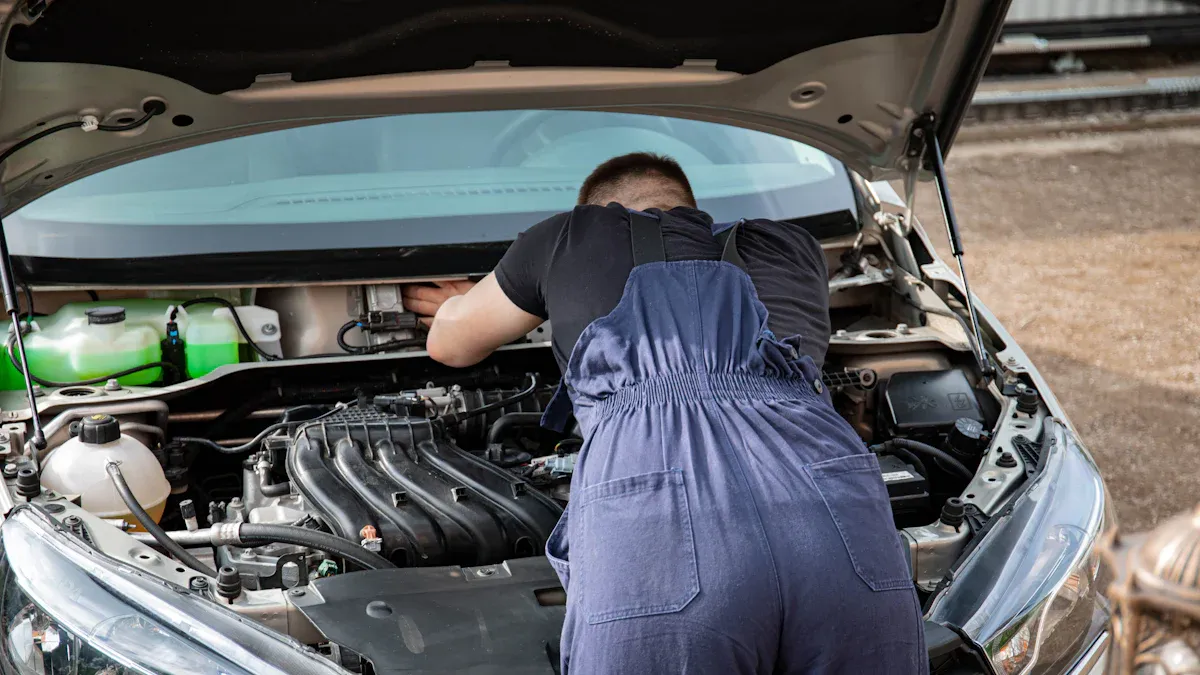
Fuel pump failures can be incredibly frustrating for drivers like you. When your vehicle suddenly sputters or refuses to start, it often points to a bad fuel pump. Understanding why these failures happen is crucial for keeping your car running smoothly. Common causes include contaminated fuel, electrical issues, and neglecting maintenance. Recognizing symptoms early, such as unusual noises or engine performance problems, can save you from costly repairs down the line.
Key Takeaways
Stay vigilant for symptoms like engine sputtering or stalling. Early detection can save you from costly repairs.
Perform regular maintenance checks on your fuel system. This practice helps catch issues before they worsen.
Use high-quality fuel to prevent contamination. Clean fuel enhances engine performance and extends pump life.
Keep your fuel tank above a quarter full. This reduces strain on the pump and helps maintain its efficiency.
Monitor your vehicle’s electrical system. Addressing wiring issues early can prevent fuel pump failures.
Fuel Pump Function
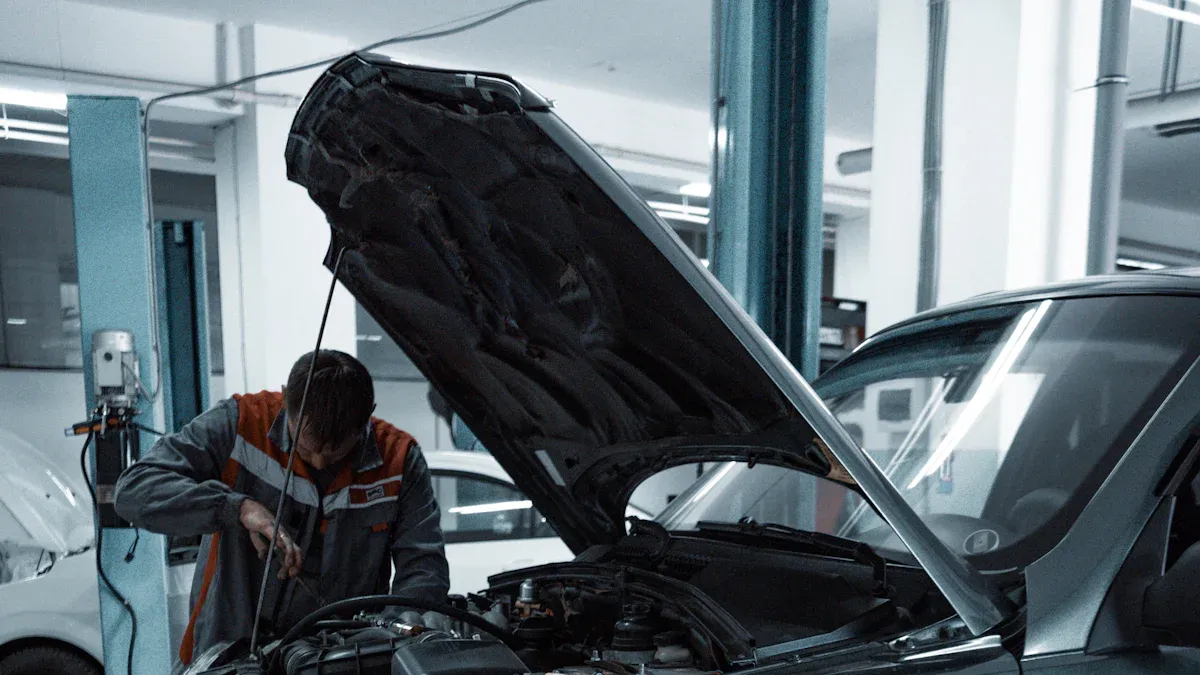
How Fuel Pumps Work
Fuel pumps are essential components of your vehicle’s fuel delivery system. They work by moving fuel from the tank to the engine. In modern cars, electric fuel pumps are common. These pumps sit inside the fuel tank and draw fuel through a line to the engine. They ensure that the engine receives the right amount of fuel at the correct pressure. This process is vital for efficient combustion and optimal performance.
Here’s a quick breakdown of how fuel pumps operate:
Fuel Delivery: The pump sends fuel to the engine’s fuel injection system or carburetor.
Pressure Regulation: It maintains the necessary pressure for the engine to function correctly.
Flow Rate: The pump ensures a steady flow of fuel, which is crucial for consistent engine performance.
Importance in Vehicle Performance
A well-functioning fuel pump plays a significant role in your vehicle’s overall performance. Here are some key points to consider:
Consistent Fuel Supply: A reliable fuel pump provides a steady supply of fuel, which is essential for optimal combustion.
Prevention of Performance Issues: If your fuel pump malfunctions, you might experience misfires or a loss of power. This can lead to frustrating driving experiences.
Enhanced Fuel Economy: Efficient fuel delivery helps maintain the correct fuel pressure, reducing waste and improving fuel economy.
Fuel Pump Symptoms
Engine Performance Issues
When your fuel pump starts to fail, you might notice several engine performance issues. These problems can range from minor annoyances to serious safety concerns. Here are some common fuel pump symptoms you should watch for:
Issue Type | Description |
|---|---|
Electrical Malfunctions | Poor electrical connections can cause the engine to stall or not start, leading to performance issues. |
Contaminated Or Clogged Filters | Clogged filters force the pump to work harder, causing overheating and wear, impacting engine performance. |
Overheating And Pump Burnout | Low fuel levels can lead to overheating of the pump, damaging internal parts and affecting engine operation. |
Irregular Maintenance | Neglecting maintenance can lead to clogged filters, stressing the pump and reducing its lifespan. |
Fuel Contamination | Impurities in fuel can deteriorate pump parts, leading to inefficiency and potential failure. |
If you experience difficulty starting the engine, engine sputtering, or a loss of power, these could be signs of a bad fuel pump. Early recognition of these symptoms can help you avoid more significant issues down the road.
Stalling and Unusual Noises
Stalling is one of the most alarming symptoms of a failing fuel pump. You might find your engine stalling unexpectedly, especially during acceleration. This sudden stall can be frightening, particularly if it happens while driving. Here are some indicators that your fuel pump might be the culprit:
Indicator | Description |
|---|---|
Sudden Stall | A faulty fuel pump can cause the engine to stall unexpectedly during operation. |
Unexpected Stalling | Stalling while driving may indicate a failing fuel pump, especially if it occurs suddenly. |
Engine Sputtering | Sputtering can be a sign of a failing fuel pump, often accompanied by irregular temperature increases. |
You should also pay attention to any unusual noises coming from your fuel tank. Common sounds associated with a failing fuel pump include:
Ticking sounds
Clicking sounds
Knocking sounds
These noises often precede total failure, so don’t ignore them! If you notice any of these symptoms, it’s time to take action.
To confirm if your fuel pump is functioning properly, consider testing the fuel pressure. This simple step can help you determine if the pump is the source of your problems.
Recognizing these fuel pump failure symptoms early can save you from being stranded or facing costly repairs. Stay alert, and don’t hesitate to consult a professional if you suspect your fuel pump is failing.
Causes of Fuel Pump Failures
Electrical Faults
Electrical faults are one of the most common causes of fuel pump failure. When your fuel pump doesn’t receive the right electrical signals, it can lead to serious issues. Here are some key points to consider:
Wiring Issues: Damaged or corroded wires can interrupt the power supply to the pump. This can cause the pump to work intermittently or not at all.
Faulty Relays: The relay controls the power to the fuel pump. If it fails, the pump won’t operate, leading to a no-start condition.
Poor Connections: Loose or dirty connections can create resistance, causing the pump to underperform or fail completely.
If you notice your vehicle struggling to start or stalling unexpectedly, electrical faults could be the culprit. Regularly checking your vehicle’s electrical system can help you catch these issues early.
Contaminated Fuel
Fuel contamination is another major factor that can lead to fuel pump failures. When impurities enter your fuel system, they can wreak havoc on your pump and engine. Here are some common contaminants to watch out for:
Particulate & Debris: These disrupt combustion and cause wear on fuel injection equipment.
Water: It can cause corrosion, erode injector nozzles, and reduce fuel lubricity.
Wax/Paraffin: In cold conditions, this can gel and affect fuel flow.
Microbes (Bacteria): They thrive in free water, leading to further contamination.
Fuel Degradation Products: These result from thermal and oxidative instability, affecting fuel quality.
When you fill up your tank, always choose high-quality fuel to minimize the risk of contamination. Poor fuel quality can lead to clogged filters and injectors, which can significantly impact your engine’s performance.
Running low on fuel can also contribute to pump damage. When your fuel level is low, the pump has to work harder to draw in the remaining fuel. This extra strain can shorten its lifespan. Additionally, low fuel levels can lead to a loss of cooling and lubrication for the pump, which is essential for its proper functioning.
Environmental factors like temperature and humidity can also affect your fuel pump’s longevity. For example, extreme temperatures can lead to fuel gelling, while high humidity can cause corrosion. Here’s a quick look at how these factors impact your pump:
Environmental Factor | Effect on Fuel Pump Longevity |
|---|---|
Extreme Temperatures | Can lead to fuel gelling, accelerating wear. |
High Humidity | Causes corrosion and moisture-related damage, affecting performance. |
By being aware of these common causes of fuel pump failure, you can take proactive steps to protect your vehicle. Regular maintenance and careful fuel choices can go a long way in ensuring your fuel pump remains in good working order.
Diagnosing Fuel Pump Issues
Visual Inspections
When it comes to diagnosing fuel pump issues, visual inspections are a great first step. You can often spot potential problems before they escalate. Here’s what you should look for:
Leaks: Check for any signs of fuel leaks around the pump and fuel lines.
Cracks: Inspect the pump and surrounding components for cracks or damage.
Worn Components: Look for any signs of wear that could affect performance.
Fuel Lines: Ensure there’s no air ingress or blockage in the fuel lines.
Regular inspections can help you catch issues early. You should perform these checks during routine engine maintenance, ideally every 12 months or according to your manufacturer’s guidelines. This practice can save you from unexpected fuel pump failures down the road.
Testing Fuel Pressure
Testing fuel pressure is another effective method for diagnosing fuel pump problems. Here are some key tests you can perform:
Test Type | Description |
|---|---|
Static Fuel Pressure Test | Measures pressure with the engine off to check for pump functionality. |
Residual Fuel Pressure Test | Checks if the system holds pressure after the pump is off, indicating potential leaks. |
Running Fuel Pressure Test | Assesses pressure while the engine is idling to ensure it meets manufacturer specifications. |
Dead Head Pressure Test | Evaluates maximum output pressure by blocking the return line. |
Fuel Volume Test | Measures the volume of fuel delivered over a specified time to ensure adequate flow. |
Fuel Pressure Regulator Tests | Tests the regulator’s response to changes in engine vacuum to maintain proper pressure. |
Fuel Pressure Drop Test | Compares pressure drop across injectors to identify dirty or faulty injectors. |
By checking these parameters, you can get a clear picture of your fuel pump’s health. If you notice any discrepancies, it might be time to consult a professional.
Diagnosing fuel pump issues early can save you time and money. So, keep an eye on those visual cues and don’t hesitate to test fuel pressure when something feels off!
Preventing Fuel Pump Failures
Regular Maintenance
Keeping your fuel pump in good shape requires regular maintenance. Here are some essential practices you should follow:
Maintenance Practice | Description |
|---|---|
Maintain proper fuel quality | Using clean fuel prevents debris and moisture that can wear out the pump. |
Keep fuel tank above a quarter full | This practice helps avoid pump strain and extends its lifespan. |
Avoid low-quality fuel | Low-grade fuel can introduce contaminants that damage the pump. |
Regular checks for pump symptoms | Early detection of issues can prevent further damage to the fuel pump. |
Use reputable fuel sources | Reliable stations provide better quality fuel, enhancing pump reliability. |
By sticking to these practices, you can significantly reduce the risk of a bad fuel pump. Regular checks help you catch problems before they escalate, saving you time and money.
Quality Fuel Usage
Using high-quality fuel is crucial for your vehicle’s health. Here’s why it matters:
High-quality fuel ensures better combustion, leading to more efficient engine performance.
It reduces contaminants that can damage engine components, lowering the risk of fuel pump failure.
Maintaining engine cleanliness prevents issues like corrosion and carbon build-up, which can affect the fuel system’s longevity.
Maintaining a clean fuel tank is essential for extending the lifespan of the fuel pump. It prevents contaminants from causing malfunctions. Regularly cleaning the fuel tank and using high-quality fuel can keep your fuel system functioning properly.
In summary, understanding your fuel pump’s role is crucial for maintaining your vehicle’s performance. Recognizing symptoms of fuel pump failure early can help you make informed decisions about repairs or replacements. Here are some key takeaways:
Stay Alert: Watch for signs like engine sputtering or stalling. Early detection can prevent costly repairs.
Regular Maintenance: Keep up with routine checks and use high-quality fuel to enhance your pump’s reliability.
Proactive Measures: Monitoring your fuel system conditions can help you catch issues before they escalate.
By staying proactive in your vehicle maintenance, you can avoid the inconvenience and potential danger of sudden breakdowns. Remember, a little attention now can save you from significant headaches later!
