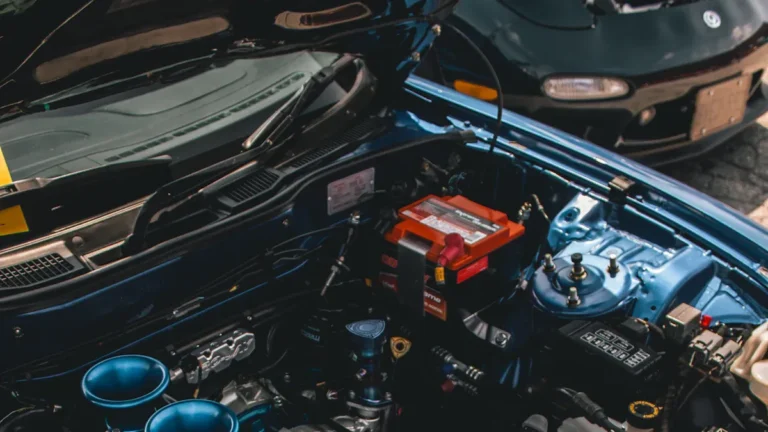
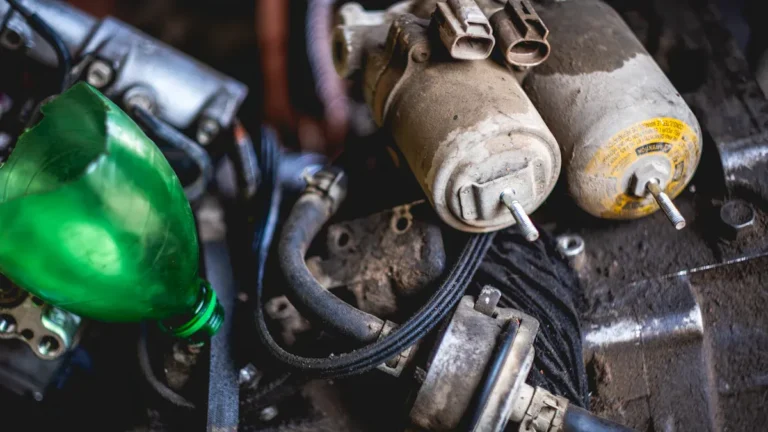
Yes, car alternators do have brushes. These components are spring-loaded carbon blocks that maintain contact with slip rings. This contact allows electrical current from the battery to flow into the rotor’s coil. This process is essential for generating the electromagnetic field needed to produce electrical current, impacting your vehicle’s overall performance.
Key Takeaways
Brushes in car alternators are essential for supplying electrical current to the rotor, enabling power generation.
Regularly inspect and maintain your alternator brushes to catch issues early and enhance vehicle reliability.
Choosing high-quality brush materials can improve performance and extend the lifespan of your alternator.
Brush Function in Alternators
How Brushes Work
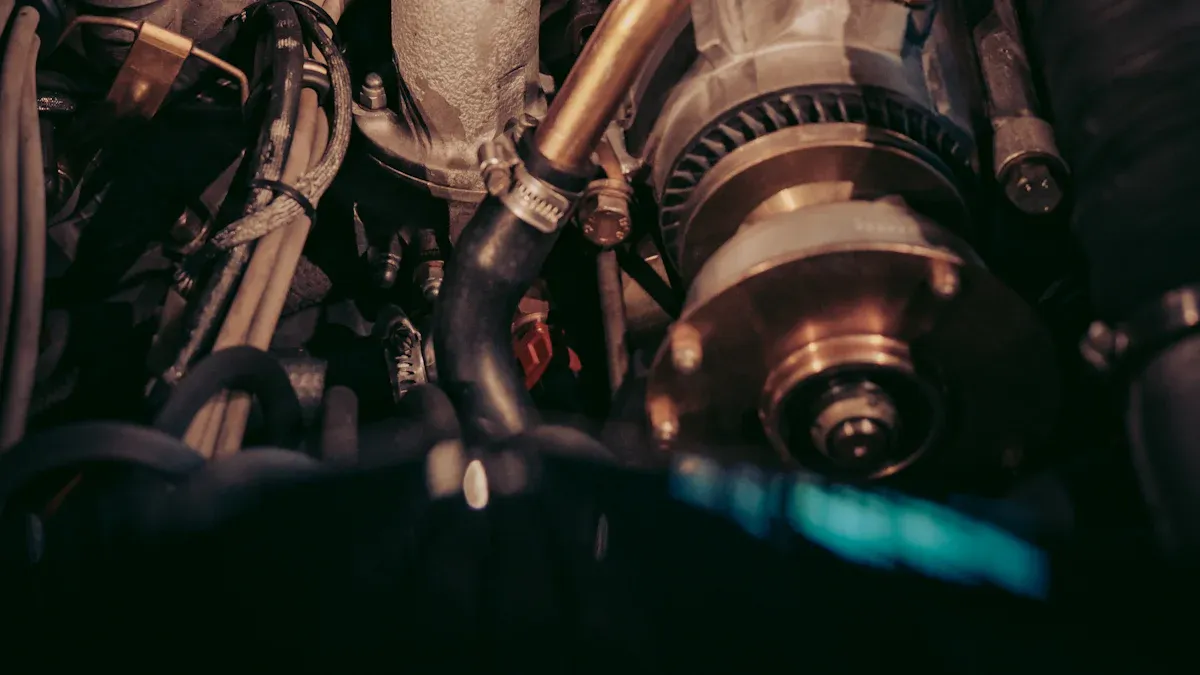
Brushes play a crucial role in the operation of your car alternator. They are made of conductive carbon blocks that maintain contact with the rotor’s slip rings. As your engine runs, the brushes press against these rings, allowing electrical current to flow from the battery into the rotor’s coil. This current is vital for generating the magnetic field needed to produce electricity in the alternator. Here’s a quick overview of how this process works:
Contact: The brushes ensure a continuous electrical connection between the stationary wiring and the rotating rotor.
Current Transfer: As the rotor spins, the brushes facilitate the transfer of current to the field coil.
Magnetic Field Generation: This current creates the magnetic field essential for electricity production.
Without properly functioning brushes, your alternator cannot generate the necessary power to keep your battery charged and your vehicle running smoothly.
Importance of Brush Materials
The materials used for brushes significantly affect the performance and lifespan of your alternator. Common materials include:
Material Type | Composition | Advantages |
|---|---|---|
Graphite | Graphite bonded with resin | Excellent riding qualities, fast filming properties, low absorption, higher density |
Metal Graphite | Natural graphite and fine metal powders | Low resistivity, ideal for high brush current densities, used in various electrical applications |
Choosing the right brush material is essential for optimal performance. High-quality carbon brushes minimize sparking and wear, contributing to a longer lifespan of the alternator. Modern vehicles often require brushes that can handle higher currents without degrading. The use of advanced materials, such as ceramic-enhanced brushes, has led to improved efficiency and reduced maintenance needs.
Car Alternator vs. Brushless Motors
Key Differences
Car alternators and brushless motors serve similar functions but operate differently. Here’s a comparison of their main structural differences:
Feature | Brushless Alternator | Brushed (Conventional) Alternator |
|---|---|---|
Excitation Method | Self-excited via rotating rectifier | External DC supplied via brushes/slip rings |
Moving Electrical Contacts | None | Yes (brushes & slip rings) |
Maintenance Frequency | Low | High (brush replacement every 50k–100k miles) |
Lifespan | Longer (up to 2x lifespan) | Shorter due to wear |
Failure Points | Fewer (mainly diodes or regulator) | Brushes, slip rings, arcing |
Operating Environment Tolerance | High (dust, moisture, vibration) | Moderate (contaminants damage brushes) |
Cost | Higher upfront | Lower initial cost |
Common Applications | Heavy-duty trucks, marine, generators | Passenger cars, light-duty vehicles |
Pros and Cons
Both types of systems have their advantages and disadvantages.
Pros of Car Alternators:
Simplicity: Brushed alternators have a simpler design, making them easier to manufacture and maintain.
Cost-effectiveness: They are generally less expensive to produce and replace, which benefits automotive applications.
Reliability: Brushed alternators perform reliably in various conditions, ensuring consistent power output.
Cons of Car Alternators:
Wear and Tear: Brushes create friction, leading to wear over time, which reduces efficiency.
Lower Efficiency: Brushed alternators are generally less efficient due to the friction caused by brushes.
Maintenance Requirements: Brushed systems require more maintenance due to the need to replace worn brushes.
In contrast, brushless motors are more reliable and efficient. They require less maintenance since they lack brushes, which are common failure points in alternators. However, they often come with a higher upfront cost.
Effects of Brush Wear on Alternator
Signs of Worn Brushes
You can identify worn brushes in your car alternator by observing several key signs. Pay attention to the following indicators:
The battery warning light on your dashboard may illuminate, signaling issues with the alternator. This light often indicates that worn brushes are affecting the electrical system.
If you see the “ALT“ or “CHARGE” warning light, it suggests that the alternator might not provide enough voltage. This situation frequently arises from worn brushes.
A drop in the alternator’s voltage below the normal range of 13-14.5 volts can trigger the battery warning light. This drop often points to potential brush wear.
Recognizing these signs early can help you avoid more significant problems down the road.
Performance Implications
Brush wear can significantly impact the performance of your alternator. Here’s how:
Worn carbon brushes can lead to power supply fluctuations. These fluctuations cause inefficient alternator operation, which can drain your battery and reduce power output.
Prolonged use of worn brushes can damage other components, such as the alternator, starter motor, and battery. Inconsistent power delivery can create a ripple effect, leading to costly repairs.
While brush failures are not the most common cause of alternator issues, they still account for a notable percentage of failures. Many users report that they rarely encounter bad brushes, but when they do, it can lead to significant performance problems.
By keeping an eye on the signs of brush wear and understanding its implications, you can maintain your alternator’s efficiency and prolong its lifespan.
Maintenance Tips for Car Alternators

Regular Inspection
Regular inspection of your car alternator is crucial for maintaining its performance. According to automotive industry standards, you should inspect the alternator brushes periodically, especially when accessible during service. These components typically last between 150,000 to 300,000 miles before needing attention. Here are some steps to include in your routine inspection:
Inspect the condition of the alternator brushes to ensure they are not damaged.
Verify that the connection between the brush and the commutator is intact.
By following these steps, you can catch potential issues early and avoid costly repairs.
Replacement Guidelines
Knowing when to replace your alternator brushes can save you from unexpected breakdowns. Here are some guidelines to help you determine the right time for replacement:
Diagnose first: Test the charging voltage at idle and under load. If it drops below 13.2V, you may have regulation issues.
Remove the alternator if required: Some vehicles allow brush access without removal; others do not.
Inspect existing brushes: Look for uneven wear, chipping, or weak spring return.
Match the replacement set: Note the length, width, thickness, and terminal style.
Install carefully: Don’t force clips; ensure smooth movement within the holder.
Reassemble and test: Run the engine and verify stable output across RPM ranges.
Timely replacement of worn brushes is essential. When brushes wear down, their contact quality diminishes, leading to reduced electrical output. This can manifest as dimming headlights and battery warning lights. Proactively replacing brushes, especially when they reach their end-of-life (typically between 60,000 and 100,000 miles), enhances the alternator’s lifespan and ensures your vehicle operates efficiently.
Understanding the role of brushes in car alternators is crucial for maintaining your vehicle’s performance. Here are the key takeaways:
Brushes supply electrical current to the rotor, enabling the alternator to generate power.
Regular inspection and maintenance can catch issues early, enhancing vehicle reliability.
The choice of brush materials affects performance, wear rate, and efficiency.
By prioritizing maintenance, you can avoid costly repairs and ensure your vehicle runs smoothly.
FAQ
What happens if my alternator brushes wear out?
Worn brushes can cause power fluctuations, leading to battery drain and reduced electrical output.
How often should I check my alternator brushes?
Inspect your alternator brushes every 50,000 to 100,000 miles for optimal performance.
Can I replace alternator brushes myself?
Yes, you can replace brushes with basic tools and some mechanical knowledge. Follow your vehicle’s manual for guidance.