Recognizing the symptoms of a bad belt tensioner is crucial for your vehicle’s health. Early detection can save you from costly repairs. Timely replacement of a worn tensioner can prevent issues like overheating and accessory loss. Regular inspections help identify problems before they escalate.
Key Takeaways
Listen for unusual noises like squealing or rattling. These sounds often indicate a problem with the belt tensioner.
Regularly inspect your vehicle’s belt for signs of wear, such as cracks or fraying. Early detection can prevent costly repairs.
Pay attention to dashboard warning lights. Ignoring them can lead to severe engine damage and expensive fixes.
Noises from Bad Belt Tensioner
Squealing and Chirping
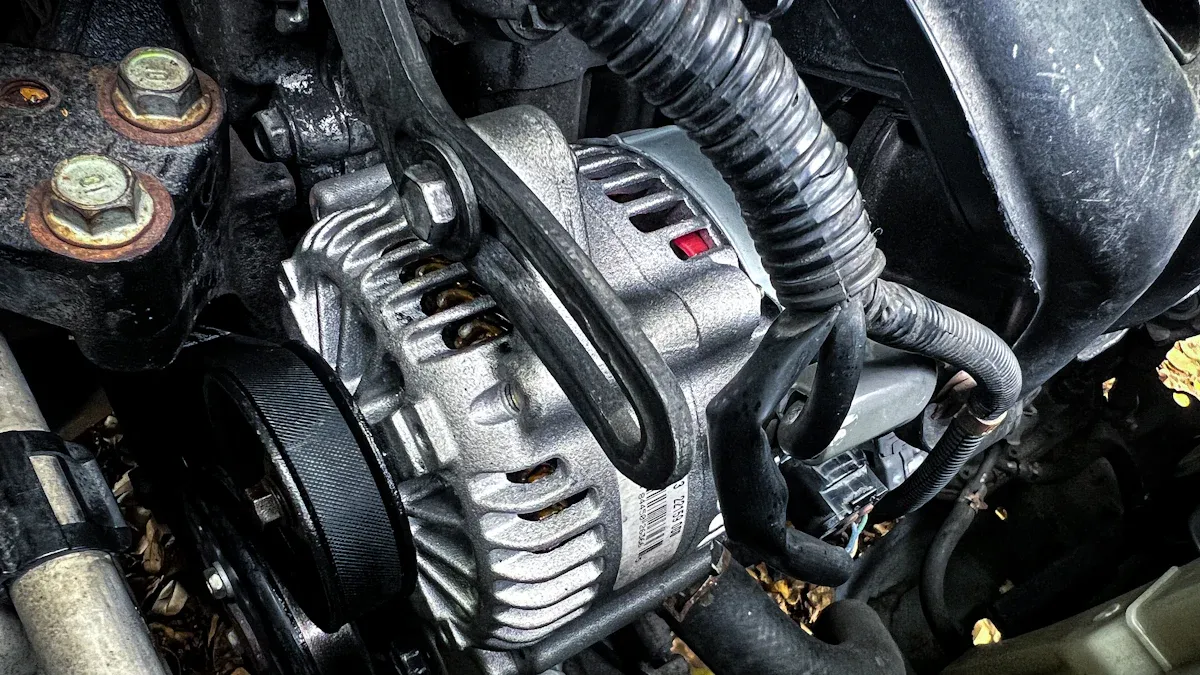
When you hear squealing or chirping noises from your engine, it often signals a problem with the belt tensioner. These sounds usually indicate that the tensioner isn’t maintaining proper belt pressure. You might notice these noises when starting your vehicle or when using accessories like the air conditioning. Mechanics often identify a high-pitched chirp as a sign of a glazed belt or a slow tensioner. If the sound fades and returns with the A/C cycle, it could mean the tensioner needs attention.
Rattling Noises
Rattling or knocking sounds can also point to a bad belt tensioner. These noises often arise from a failing internal bearing or a loose pulley. If you hear a rattling noise, it’s essential to investigate further. Ignoring these sounds can lead to more severe issues down the line. A repeatable chirp that increases with RPM often suggests misalignment or a damaged rib. This may mean the belt is walking over grooves or that a pulley is misaligned.
Belt Wear
Cracks and Fraying
You should regularly inspect your vehicle’s belt for signs of wear, such as cracks and fraying. These issues often indicate that the belt tensioner is not functioning correctly. Cracks can develop due to age, heat, or improper tension. Fraying occurs when the belt rubs against other components, leading to further damage.
Here are some visual signs of excessive belt wear:
Visual Sign of Wear | Possible Cause | Recommended Action |
|---|---|---|
Wear on the top surface of the belt | Rubbing against the drive guard | Repair or replace the drive belt guard |
Idler malfunction | Replace the faulty idler | |
Wear on the bottom surface of the belt | Belt bottoming out on the sheave groove | Use the correct belt to sheave match |
Worn sheaves | Replace the sheaves | |
Debris in the sheaves | Clean the sheaves |
Glazing
Glazing occurs when the belt surface becomes shiny and smooth. This condition often results from excessive heat or slippage. A glazed belt can lead to poor performance and may slip off the pulleys. If you notice a shiny appearance on your belt, it’s crucial to address the issue promptly.
Ignoring belt wear can lead to severe consequences. A malfunctioning tensioner can disrupt valve synchronization, causing catastrophic engine damage. Repair costs can exceed $3,000. Additionally, you may experience dim headlights or overheating warnings, indicating that critical components like the alternator and water pump are not functioning optimally.
Taking action at the first sign of wear can save you from costly repairs and keep your vehicle running smoothly.
Engine Performance Issues
Stalling
A bad belt tensioner can lead to engine stalling. When the timing belt tensioner fails, it cannot maintain proper tension on the timing belt. This failure can cause the belt to slip, disrupting the timing of the engine. If the timing is off, your engine may stall unexpectedly. You might notice this issue when you are driving or even when idling at a stoplight.
Engine Misfires
Engine misfires are another common symptom of a bad belt tensioner. A malfunctioning timing belt can affect the engine’s valve timing. This disruption can lead to rough idling or misfires, making your vehicle feel sluggish. If the timing is significantly disrupted, it may prevent the engine from starting altogether.
Here are some signs that indicate you might be facing stalling or misfires due to a bad belt tensioner:
Unusual engine noises
Rough idling
Difficulty starting the engine
Ignoring these symptoms can lead to more severe engine problems. Regular maintenance checks can help you catch these issues early, ensuring your vehicle runs smoothly.
Warning Lights
Dashboard Indicators
When your vehicle’s belt tensioner fails, it can trigger warning lights on your dashboard. These indicators serve as alerts for potential issues. You might see a battery light, which suggests that the alternator isn’t charging properly. A malfunctioning tensioner can disrupt the alternator’s function, leading to battery drain.
Another common indicator is the temperature warning light. If the belt tensioner fails, it can cause the water pump to malfunction. This issue may lead to engine overheating. Always pay attention to these dashboard lights. They provide crucial information about your vehicle’s health.
Check Engine Light
The check engine light is a significant warning that you should never ignore. A bad belt tensioner can cause this light to illuminate. When the tensioner fails, it can affect the timing belt, leading to engine performance issues. If you notice the check engine light on, it’s essential to have your vehicle inspected promptly.
Ignoring this warning can lead to severe engine damage. You may experience stalling, misfires, or even complete engine failure. Regular maintenance checks can help you catch these problems early.
Vibration and Shaking
During Acceleration
If you notice vibrations while accelerating, it could indicate a problem with your belt tensioner. A bad belt tensioner may not hold the belt tightly enough. This looseness can cause the belt to slip, leading to vibrations that you can feel in the steering wheel or the entire vehicle. You might also hear unusual noises accompanying these vibrations. Ignoring this symptom can lead to further damage and costly repairs.
At Idle
Vibrations at idle can also signal issues with your belt tensioner. When the engine runs, the tensioner should keep the belt tight. If it fails, the belt may wobble or shake, causing vibrations that you can feel inside the car. You might notice these vibrations more when the vehicle is stationary. This symptom often indicates that the tensioner is not functioning properly.
Tip: Regularly check for vibrations during both acceleration and idle. If you experience these symptoms, have your vehicle inspected. Early detection can save you from more severe problems down the road.
Addressing vibrations early can help maintain your vehicle’s performance. A bad belt tensioner can lead to other issues, so don’t ignore these signs.
Overheating Engine
Causes of Overheating
A bad belt tensioner can lead to engine overheating in several ways. When the tensioner fails, it may cause the serpentine belt to slip or detach. This belt powers essential components like the water pump. The water pump is crucial for maintaining your engine’s temperature. If it stops working, your engine can quickly overheat.
Additionally, if the drive belt snaps, it disables critical accessories, including the water pump. Without proper coolant circulation, your engine temperature will rise dangerously. You may notice the temperature gauge climbing higher than normal.
Consequences of Ignoring
Ignoring engine overheating can have severe consequences. Here are some potential outcomes:
The engine may suffer significant damage, leading to costly repairs.
You could lose vehicle functionality, making it impossible to drive.
If critical systems fail, your vehicle might stop operating within minutes.
Overheating can warp engine components and damage the head gasket. These issues can lead to a complete engine failure, which is expensive to fix. Always pay attention to signs of overheating. Regular maintenance checks can help you catch problems early, ensuring your vehicle runs smoothly.
Tip: If you notice your engine overheating, stop driving immediately. Continuing to drive can cause irreversible damage.
Taking care of your vehicle’s belt tensioner is essential. A bad belt tensioner can lead to overheating, which can result in costly repairs and loss of vehicle functionality.
Difficulty Starting
Starting Issues
You may experience difficulty starting your vehicle if the belt tensioner is faulty. A bad belt tensioner can cause the serpentine belt to slip. This slippage reduces the efficiency of the engine’s components. When the belt does not engage properly, it can lead to starting issues. You might turn the key, but the engine may not respond as expected.
Impact on Battery
A malfunctioning belt tensioner can also impact your battery. When the belt slips, it can cause the alternator to work harder. This extra strain can lead to overheating. Overheating occurs due to excessive friction when the belt fails to engage with the pulley correctly. Additionally, the battery may drain faster because the alternator cannot charge it efficiently.
Here are some effects of a bad belt tensioner on your vehicle’s starting reliability:
Belt slippage: This reduces efficiency and increases energy consumption.
Overheating: Caused by excessive friction when the belt fails to properly engage with the pulley.
Premature failure: Of the belt and related components due to inconsistent performance and excessive vibrations.
If you notice starting issues or a drained battery, consider having your belt tensioner checked. Addressing these problems early can save you from more significant repairs down the road.
Belt Slippage
Symptoms of Slippage
Belt slippage occurs when the serpentine belt fails to maintain proper tension. You might notice several symptoms indicating this issue:
Squealing Noises: A high-pitched squeal often signals that the belt is slipping on the pulleys.
Reduced Accessory Function: If your power steering or air conditioning feels weak, the belt may not be driving these components effectively.
Vibrations: You might feel vibrations in the steering wheel or the vehicle itself, especially during acceleration.
Consequences of Slippage
Ignoring belt slippage can lead to serious problems. Here are some potential consequences:
Overheating: A slipping belt can cause the water pump to malfunction. This issue may lead to engine overheating, which can damage engine components.
Battery Drain: If the alternator does not receive enough power, your battery may drain quickly. This can lead to starting issues and reduced electrical performance.
Increased Wear: Slipping can cause excessive wear on the belt and pulleys. This wear can lead to premature failure, requiring costly replacements.
Tip: Regularly inspect your belt for signs of wear and listen for unusual noises. Addressing slippage early can save you from more significant repairs down the road.
By staying alert to these symptoms and consequences, you can maintain your vehicle’s performance and avoid costly repairs.
Frequent Belt Replacement
Signs of Premature Wear
You may notice signs of premature wear on your vehicle’s belt if the tensioner is failing. Common indicators include:
Cracks: Look for visible cracks on the belt surface. These cracks can develop due to excessive heat or improper tension.
Fraying: If you see frayed edges, the belt may rub against other components. This wear can lead to further damage.
Glazing: A shiny, smooth surface on the belt indicates glazing. This condition often results from slippage and excessive heat.
Regularly inspecting your belt can help you catch these issues early. Addressing them promptly can prevent frequent replacements and save you money.
Cost Implications
Frequent belt replacements can become costly. The average cost for replacing a serpentine belt varies based on the vehicle model and engine type. For example, here’s a breakdown of estimated costs for different Dodge Journey models:
Model Year | Engine Type | Estimate Cost | Shop/Dealer Price |
|---|---|---|---|
2018 Dodge Journey | L4-2.4L | $305.74 | $347.03 |
2011 Dodge Journey | L4-2.4L | $312.19 | $355.57 |
2011 Dodge Journey | V6-3.6L | $532.05 | $630.42 |
2016 Dodge Journey | L4-2.4L | $312.19 | $355.60 |
2015 Dodge Journey | L4-2.4L | $312.19 | $357.07 |
2017 Dodge Journey | L4-2.4L | $296.73 | $336.41 |
2016 Dodge Journey | V6-3.6L | $532.05 | $630.44 |
2010 Dodge Journey | L4-2.4L | $312.19 | $355.60 |
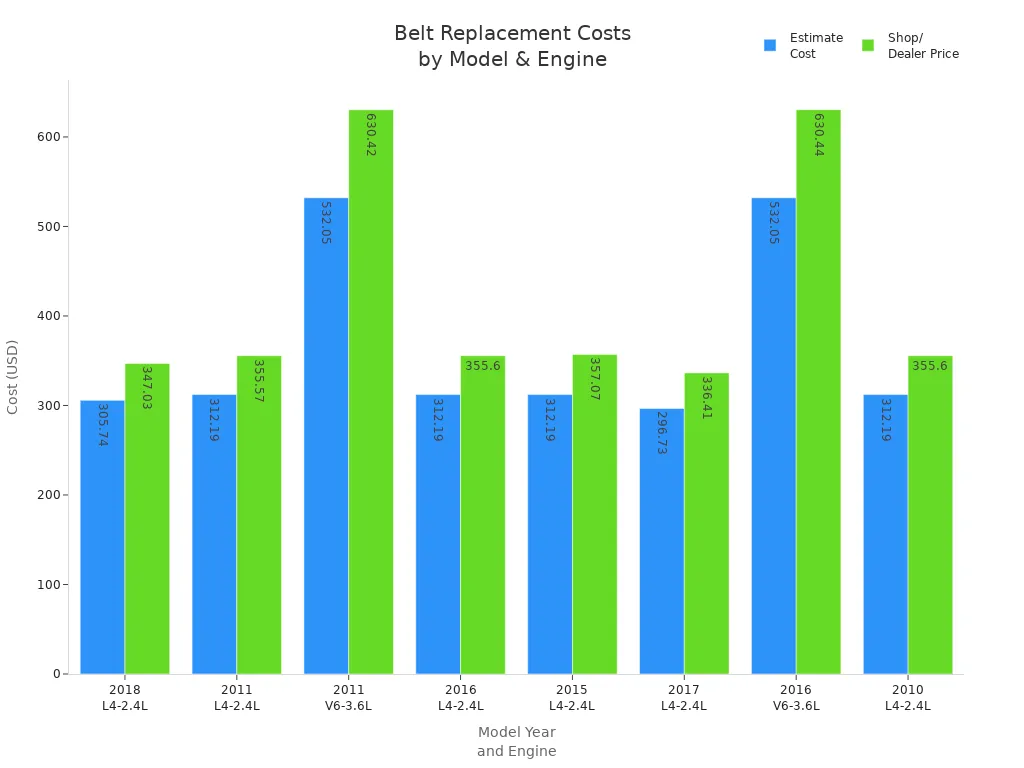
As you can see, costs can add up quickly. Regular maintenance and timely inspections can help you avoid these expenses. By addressing tensioner issues early, you can keep your vehicle running smoothly and save money in the long run.
Increased Fuel Consumption
Efficiency Impact
A bad belt tensioner can significantly impact your vehicle’s fuel efficiency. When the tensioner fails, it may cause the serpentine belt to slip. This slippage forces the engine to work harder to drive accessories like the air conditioning compressor and water pump. As a result, you will notice an increase in fuel consumption.
Here are some key points to consider:
Increased Friction: A damaged tensioner creates more friction, requiring the engine to use more energy. This leads to higher fuel usage.
Accessory Performance: Inefficient operation of engine accessories can also contribute to increased fuel consumption. The engine compensates for their reduced performance, further straining fuel efficiency.
Long-term Costs
Driving with a bad belt tensioner can lead to long-term fuel cost implications. A slipping belt can decrease fuel efficiency, resulting in higher fuel costs over time.
Evidence Type | Description |
|---|---|
Decreased Fuel Efficiency | A slipping belt caused by a bad tensioner pulley can lead to higher fuel costs due to reduced engine performance. |
Ignoring these issues can add up quickly. You may find yourself spending more on fuel than necessary. Regular maintenance checks can help you catch tensioner problems early, saving you money in the long run.
Tip: Keep an eye on your fuel consumption. If you notice a sudden increase, consider having your belt tensioner inspected.
Recognizing the symptoms of a bad belt tensioner is vital for your vehicle’s health. Here are key signs to watch for:
Excessive belt wear: Look for fraying, glazing, or cracks.
Squealing noises: High-pitched sounds indicate incorrect tension.
Engine misfires: These can signal timing issues.
Regular maintenance helps prevent severe damage. A worn tensioner can lead to overheating and accessory failure. By checking your vehicle often, you can catch problems early and save on costly repairs.
Tip: Always inspect your belt system for wear and ensure proper tension. This simple step can extend the life of your vehicle.
FAQ
What causes a bad belt tensioner?
A bad belt tensioner often results from wear and tear, improper installation, or exposure to extreme temperatures.
How often should I check my belt tensioner?
You should inspect your belt tensioner during regular vehicle maintenance, ideally every 30,000 miles or as recommended in your owner’s manual.
Can I drive with a bad belt tensioner?
Driving with a bad belt tensioner is risky. It can lead to engine overheating, accessory failure, and costly repairs.